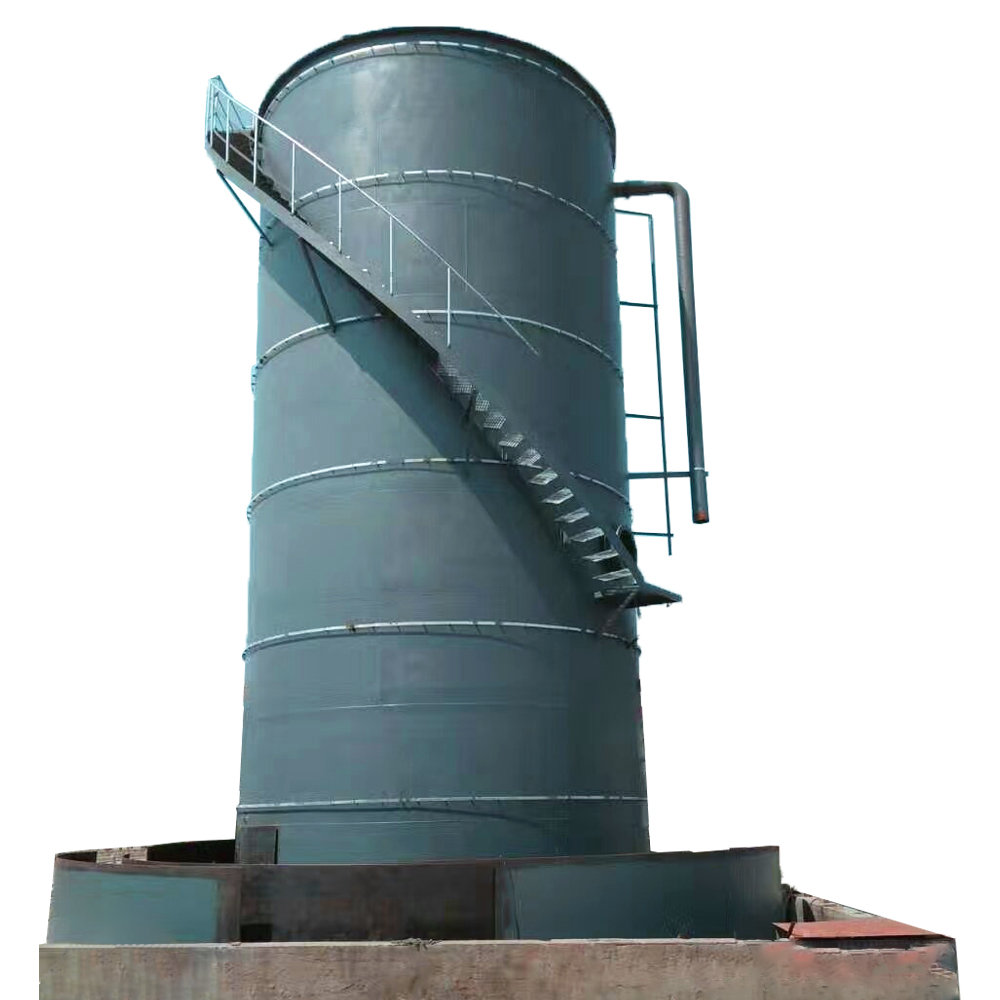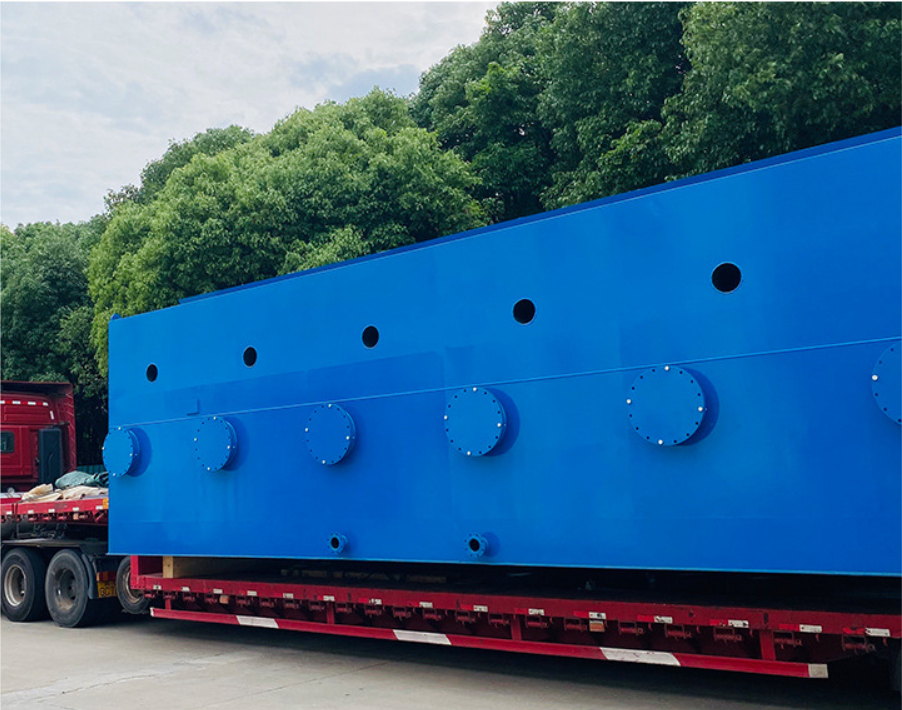
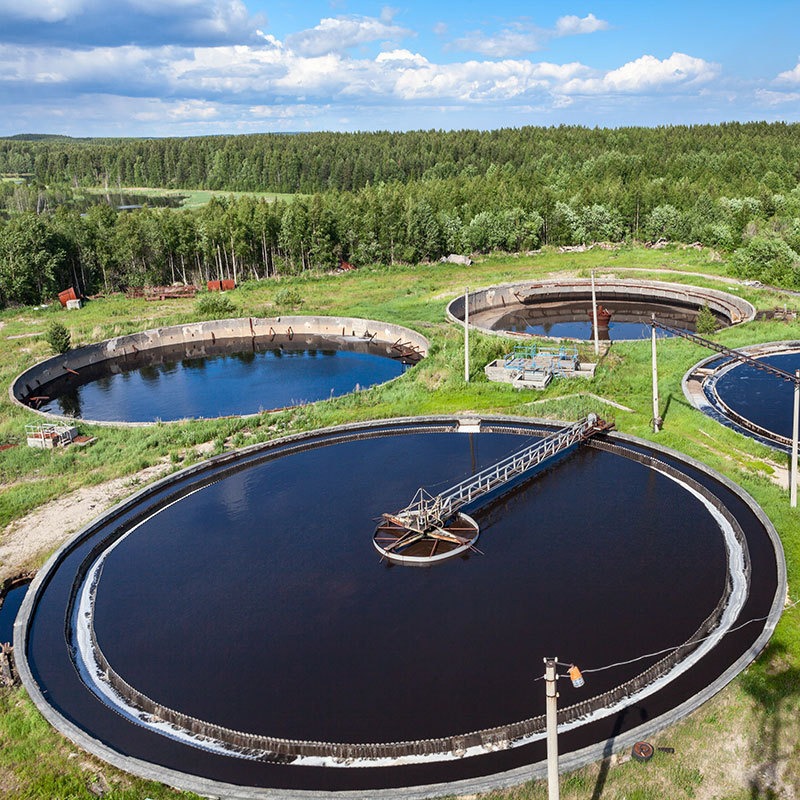
Zero sludge discharge refers to the complete resource utilization of sludge through advanced treatment technologies, avoiding environmental pollution caused by traditional discharge methods. The following are some typical technology applications: Ecological Zero Sludge Discharge Septic Tank System
This system uses a biofilm method instead of the activated sludge method, combined with a non-recirculating A-0 ammonia removal process and electro-phosphorus removal technology to achieve deep treatment. This system eliminates the need for sludge recirculation, and the effluent quality meets Class I discharge standards. It is suitable for rural and urban domestic wastewater treatment, with a single septic tank having a daily processing capacity of up to 25 tons, and is already in use in large cities.
1. Zero-Discharge Aquaculture Treatment Model: Utilizing a conical wastewater collection structure and a three-stage effluent treatment system, aquaculture wastewater is recycled and purified for reuse, achieving zero discharge in aquaculture. This model consists of an aquaculture tank, an oxygen supply module, and a effluent treatment module. Suitable for pond aquaculture, it can increase yield per acre and reduce pollution.
- Smart Sanitation Industry Demonstration Base: The urban sanitation industry demonstration base treats high-concentration wastewater using processes such as TUF+RO+DTRO, employing fully enclosed deodorization technology. It is expected to achieve zero wastewater discharge by the end of the year. The project has a daily treatment capacity of 2,500 tons, with all treated water reused, contributing to ecological protection.
- Low-Temperature Sludge Drying Technology: Utilizing waste heat from flue gas for low-temperature sludge drying, the moisture content can be reduced to below 50%, solving the problem of high energy consumption in traditional drying methods. This technology, verified through experiments and engineering practice, provides a new path for the harmless treatment of sludge.