Introduction to Ozone Reaction Towers
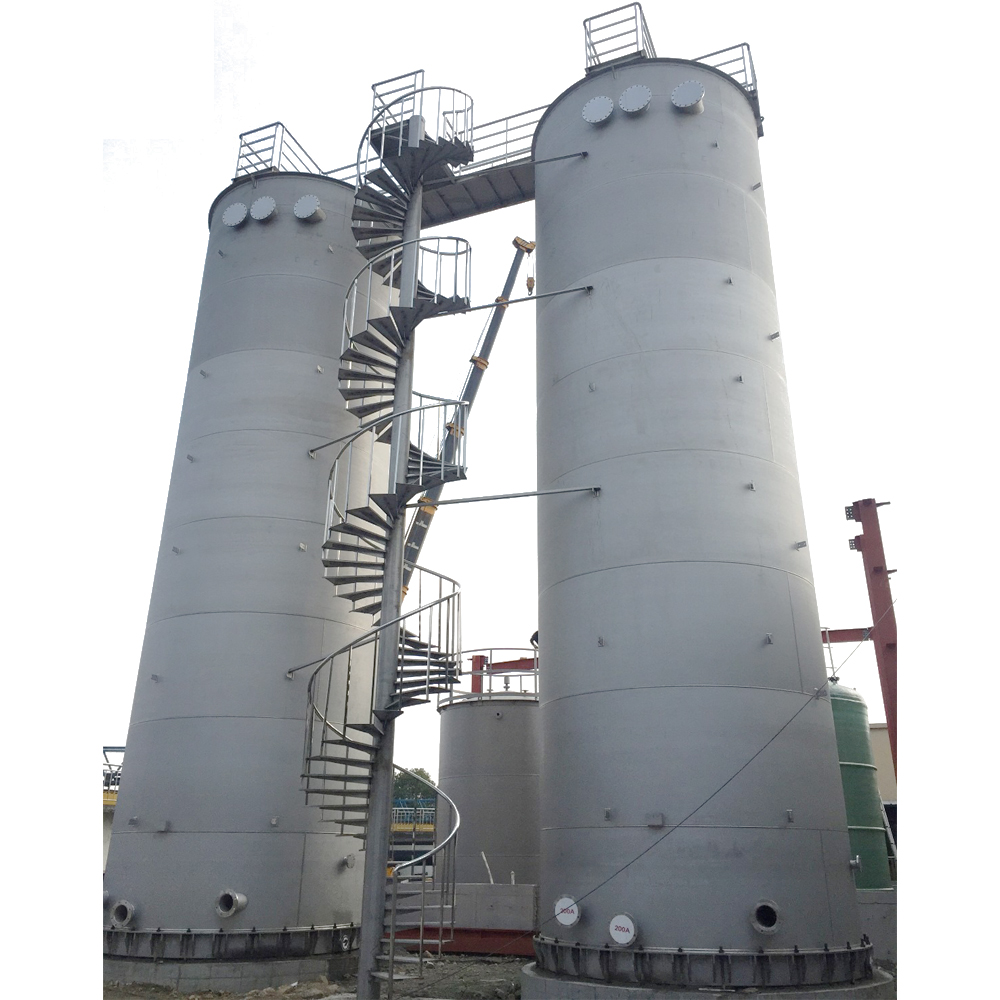
Ozone reaction towers are becoming increasingly recognized as an efficient technology for advanced wastewater treatment. These systems utilize ozone gas to oxidize pollutants, making them suitable for the removal of organic compounds, pathogens, and other contaminants from wastewater. Over the past few years, the use of ozone reaction towers has surged, reflecting their positive impact on enhancing wastewater quality.
How Ozone Reaction Towers Work
The operation of an ozone reaction tower involves several key steps. First, ozone is generated and introduced into the wastewater stream. The strong oxidizing properties of ozone allow it to react with and break down toxic substances. This reaction not only reduces the chemical oxygen demand (COD) of the water but also aids in the disinfection process by eliminating microorganisms.
Advantages of Using Ozone Reaction Towers
One of the most significant benefits of ozone reaction towers is their ability to treat wastewater without the addition of harmful chemicals. This makes the technology environmentally friendly and safe for downstream applications. Additionally, the process generates fewer secondary pollutants, thereby reducing the need for further treatment stages. As a result, ozone reaction towers provide a sustainable solution for industries seeking to enhance their wastewater management practices.