Category: Blog

Blog

What are the sources of sugar refining wastewater? What are its characteristics?

1. Sugar refining wastewater mainly originates from sugar production and the comprehensive utilization of its by-products. It includes various wastewaters generated during the sugar refining process using sugar beets or sugarcane as raw materials, such as chute wastewater, sugar pressing wastewater, distillation wastewater, and surface washing water. 2. Main characteristics

Blog

How should sugar refining wastewater be treated?

Sugar refining wastewater is a typical high-concentration organic wastewater, characterized by large production volume, high COD (Chemical Oxygen Demand) and BOD5 (Biochemical Oxygen Demand) concentrations, good biodegradability, and deep color. Its treatment process typically employs a multi-stage combination to achieve efficient and stable purification. The mainstream process flow can be

Ion exchanger
Blog

What are the hazards of sugar refining wastewater?

If sugar refining wastewater is discharged directly without treatment, it will cause serious harm to the aquatic environment and ecosystem, mainly in the following aspects: 1. Depletion of dissolved oxygen in water, leading to black and smelly water bodies. Sugar refining wastewater contains high concentrations of carbohydrates, proteins, pectin, and

Blog

What are the disinfection methods for hospital wastewater?

There are many methods for disinfecting hospital wastewater, broadly categorized into physical and chemical methods. Physical methods include radiation, ultraviolet light, heating, and freezing. Physical methods are generally suitable for smaller volumes of wastewater, and their treatment effect is often less pronounced than chemical methods. However, a significant advantage is

Blog

What are the treatment processes for hospital wastewater?

The choice of process generally depends on the hospital’s size, nature, and wastewater discharge destination. There are four main types of processes: primary treatment with enhanced treatment effects, secondary treatment, simplified biological treatment, and advanced treatment. Hospital wastewater treatment typically involves engineering design, construction, and acceptance procedures. Treatment facilities require

Blog

What are the sources and components of hospital wastewater?

Hospital wastewater (commonly known as hospital sewage) refers to various types of wastewater discharged by hospitals into the natural environment or urban pipe systems. It has wide-ranging sources, complex composition, and high risks of infectiousness, toxicity, and radioactivity, requiring strict treatment before discharge. The nature of hospital sewage refers to

Blog

Classification of Mine Water

Mine water refers to all types of water that flow into underground tunnels or open-pit mines during the mining process, and is considered an unconventional water source. It mainly originates from atmospheric precipitation, surface water, groundwater, fault water, and water from mined-out areas. Based on water quality characteristics and the

Blog

Water Quality Characteristics of Mine Water Containing Specific Pollutants

1. High-Iron and Manganese Mine Water: Iron and manganese mine water in coal mines is mainly formed by the infiltration of iron and manganese-bearing groundwater from the strata. The iron and manganese in the mine water exist in the form of divalent iron or divalent manganese. Due to the effects

Blog

Mine Wastewater Treatment Process

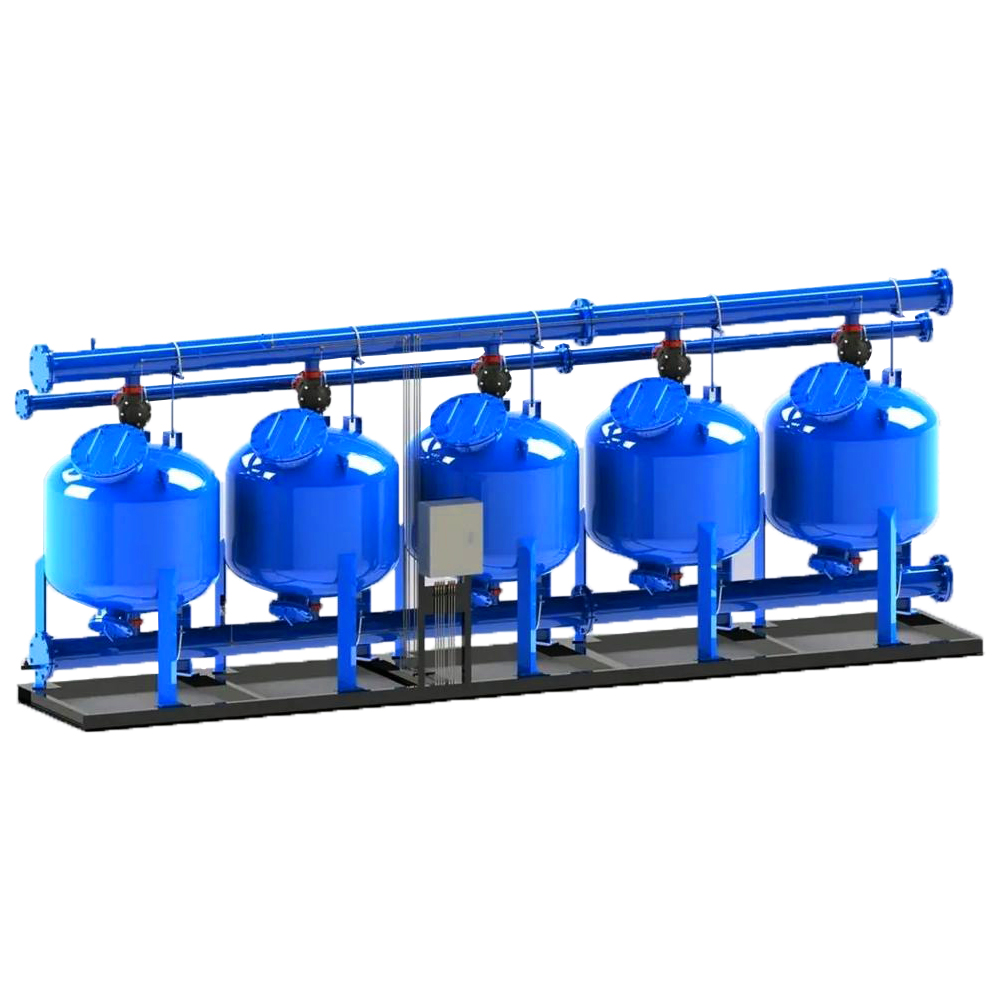
After prolonged filtration, a significant amount of sludge accumulates on the surface of the filter sand layer, clogging it and causing increased operating pressure, slower filtration speed, and a rising filtration level. Backwashing is then necessary. A high-volume backwash pump pumps filtered clean water into the filter from the bottom,

Blog

How should aquaculture wastewater be treated?

There are many methods for treating aquaculture wastewater, which can generally be categorized into four main types: biological treatment, physical treatment, chemical treatment, and natural treatment. 1. Biological Treatment: This method uses the metabolic activity of microorganisms to transform organic pollutants in solution, colloid, and finely suspended states in wastewater