
What is a High Density Sedimentation Tank?
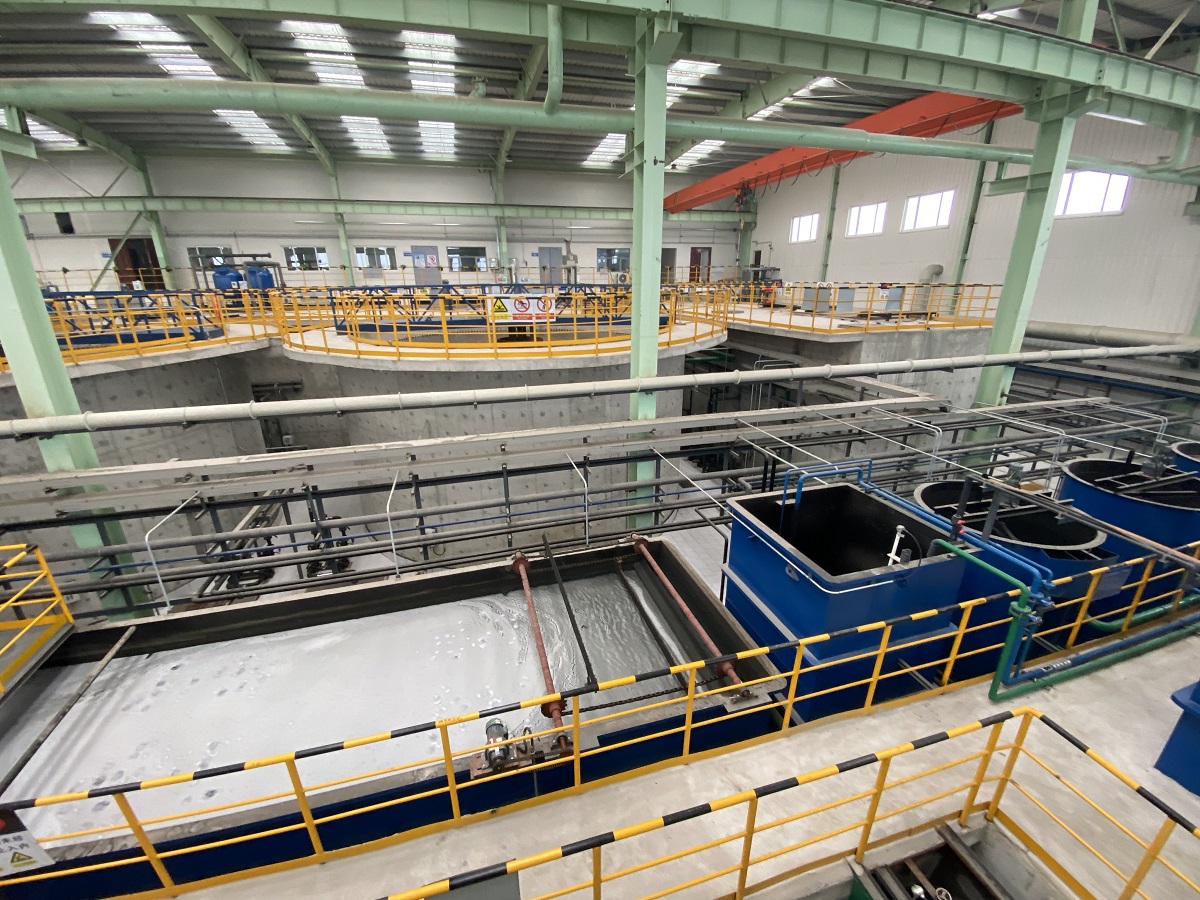
A high density sedimentation tank represents a significant advancement in the field of wastewater treatment. This technology, pioneered by the French Deliman Company, focuses on the clarification of liquids by efficiently removing suspended solids. The innovative design optimizes sedimentation processes, ensuring high-quality effluent from treated water.
How it Works
The high density sedimentation tank operates through a combination of gravitational settling and enhanced separation techniques. The tank’s unique structure allows for a more compact design, which reduces footprint compared to traditional tanks. As the wastewater enters, its flow is managed to encourage the settling of solids, while the clarified water rises to be extracted from the surface. This method ensures that the system operates efficiently, even with varying loads.
Benefits of the Technology
Implementing high density sedimentation tanks offers numerous benefits. Firstly, they provide a more effective treatment of wastewater, leading to lower levels of pollutants in the discharge. Additionally, the reduction in space and resource requirements makes this technology appealing for municipalities and industries with limited space. Moreover, the operational efficiency results in lower energy and maintenance costs, creating a sustainable solution for water treatment challenges.