Рубрика: Blog

Новости Luckywater

Understanding the Benefits of MVR Evaporators

What is MVR Evaporator Technology? The MVR (Mechanical Vapor Recompression) evaporator is an innovative energy-saving technology that efficiently reuses energy. It operates by compressing secondary steam, allowing it to be reinjected into the evaporation process. This method significantly reduces the need for external energy sources, making it a popular choice

Новости Luckywater

Understanding High Density Sedimentation Tanks

What is a High Density Sedimentation Tank? A high density sedimentation tank represents a significant advancement in the field of wastewater treatment. This technology, pioneered by the French Deliman Company, focuses on the clarification of liquids by efficiently removing suspended solids. The innovative design optimizes sedimentation processes, ensuring high-quality effluent

Новости Luckywater

Understanding the Electrochemical Treatment of Wastewater Using Galvanic Cells

Introduction to Galvanic Cells Galvanic cells are devices that generate electrical energy through spontaneous chemical reactions. In the context of wastewater treatment, they utilize the inherent properties of electrochemistry to break down organic contaminants. This process is not only efficient but also environmentally friendly, making it a valuable technique in

Новости Luckywater

Understanding Ozone Reaction Towers in Wastewater Treatment

Introduction to Ozone Reaction Towers Ozone reaction towers are becoming increasingly recognized as an efficient technology for advanced wastewater treatment. These systems utilize ozone gas to oxidize pollutants, making them suitable for the removal of organic compounds, pathogens, and other contaminants from wastewater. Over the past few years, the use

Блог

What are the main hazards of wastewater from glass factories?

The main hazards of wastewater from glass factories include: 1. Harm to water bodies and ecosystems 1.1 Water pollution: High concentrations of suspended solids (such as glass dust, SS can reach 1800 mg/L) can clog waterways, reduce water transparency, and affect the photosynthesis of aquatic plants. 1.2 Depletion of dissolved

activated carbon filter
Блог

How should wastewater from glass factories be treated?

The treatment of wastewater from glass factories mainly adopts a combined process of “pretreatment + main treatment + advanced treatment + reuse” to achieve compliant discharge or resource reuse, as detailed below: 1. Pretreatment 1.1 Bar screen/screen: Removes large particulate impurities 1.2 Equalization tank: Balances water quality and quantity 1.3

Блог

Where does wastewater from glass factories mainly come from?

Wastewater from glass factories mainly originates from multiple stages of the production process. According to authoritative publicly available information, it can be summarized into the following categories: 1. Main Wastewater Sources 1.1 Raw Material Preparation Stage: Wastewater from washing, screening, and rinsing raw materials such as quartz sand, soda ash,

sand filter
Новости Luckywater

Understanding Dissolving Air Flotation Technology

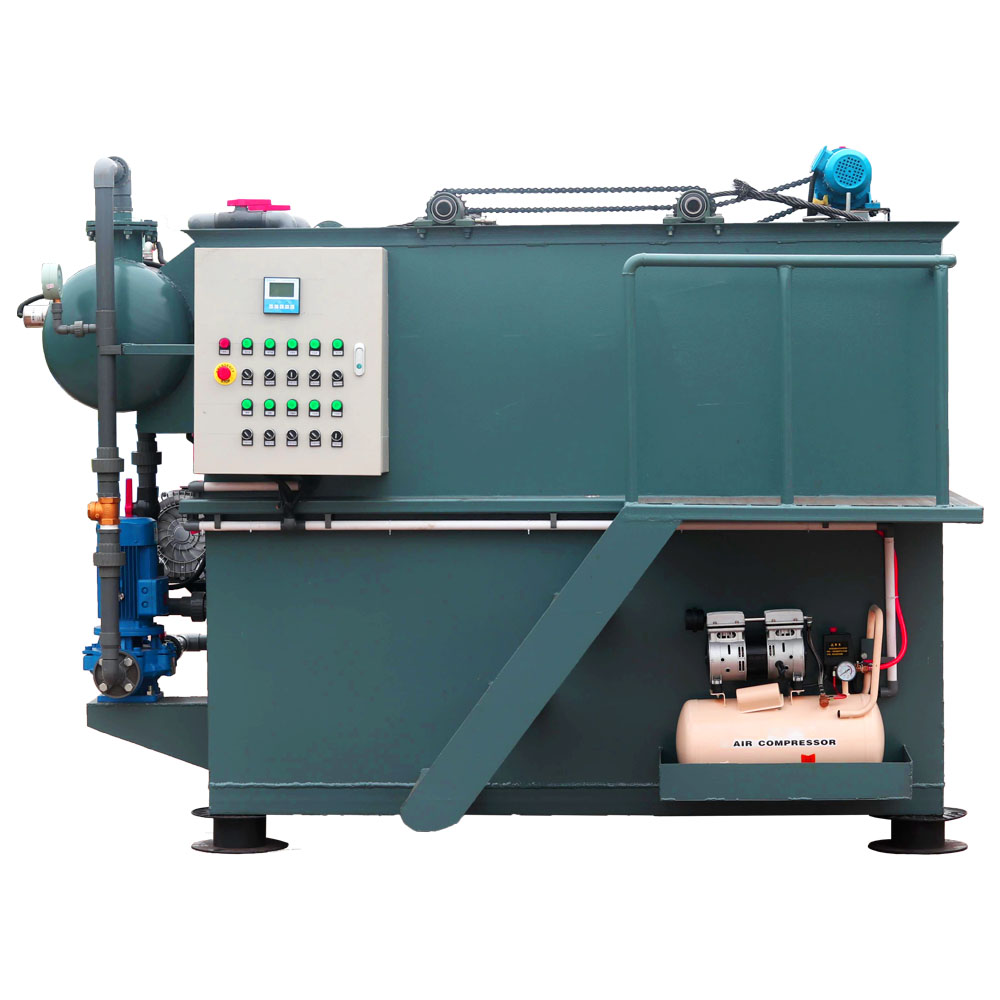
What is Dissolving Air Flotation Technology? Dissolving air flotation technology, commonly referred to as DAF, is an innovative water treatment method used primarily for the removal of suspended solids, oils, and greases from wastewater. This technology utilizes micro-bubbles of air, which are created when air is dissolved in water under

Новости охраны окружающей среды

Understanding Dissolved Air Flotation System Equipment

Introduction to Dissolved Air Flotation Systems Dissolved air flotation (DAF) systems are essential in modern water treatment, effectively separating suspended solids and contaminants from water using air as a flotation medium. This technology is particularly valuable in municipal and industrial wastewater treatment applications, where clarity and safety of water are

Блог

How is garment manufacturing wastewater treated?

The wastewater treatment process for garment factories is designed based on the source and characteristics of their wastewater. Based on the actual production processes in the garment industry, the typical mainstream treatment process adopts a combination of “pretreatment + biological treatment + advanced treatment + disinfection/sludge treatment,” with the specific