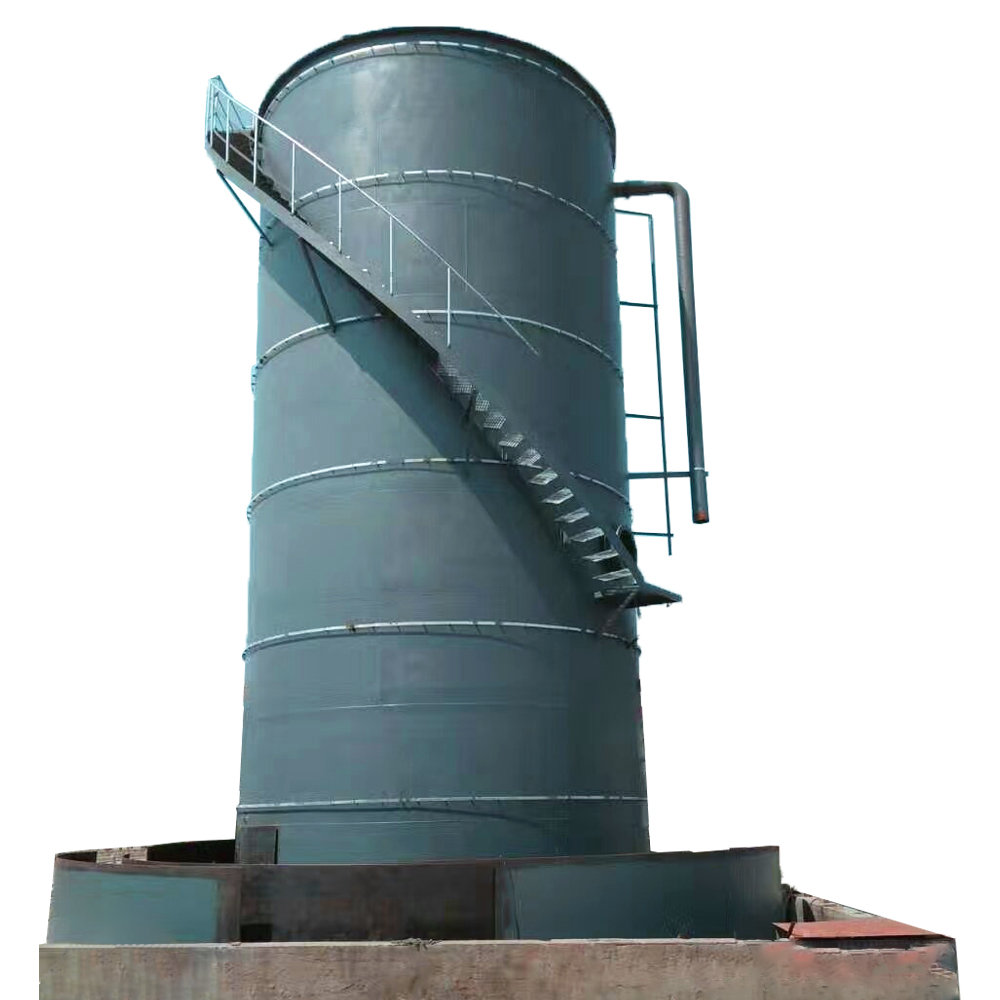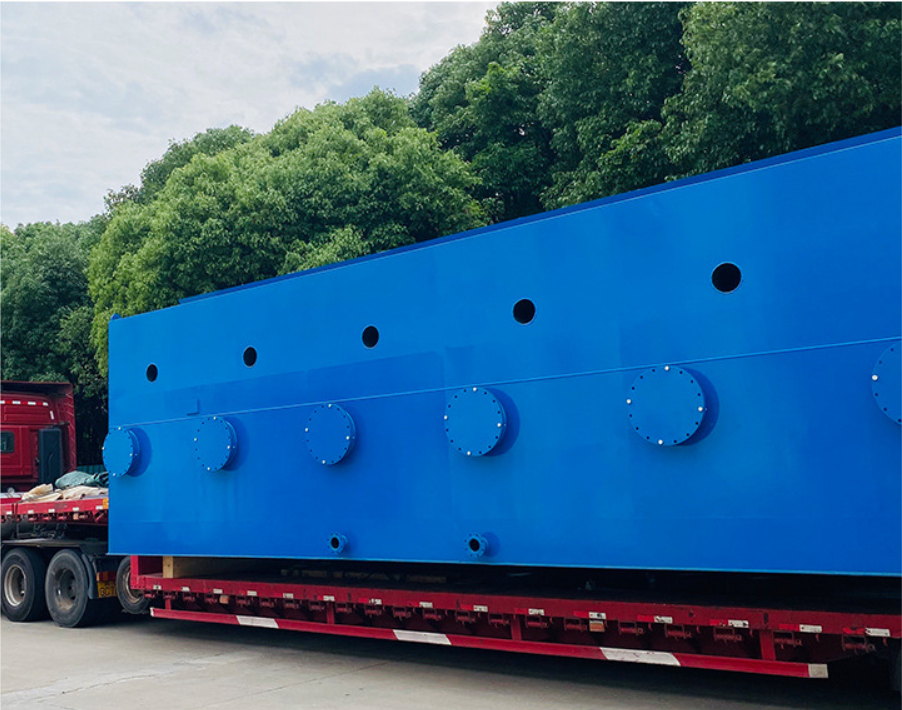
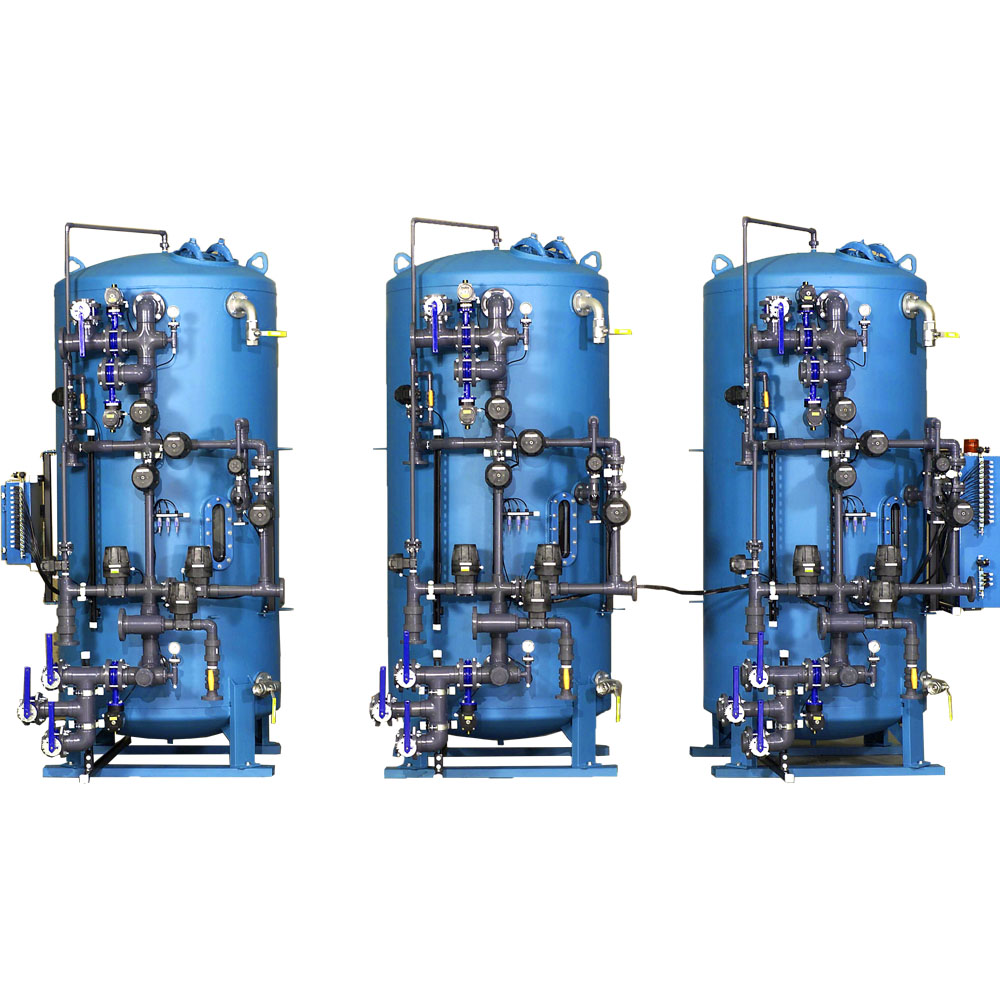
- What is a sewage pumping station?
A sewage pumping station is an engineering facility used in urban drainage projects to pump and transport sewage. Sewage pumping stations are necessary when sewage in pipelines cannot be transported or discharged by gravity, when construction is difficult due to excessively deep burial of the main pipeline, or when the sewage is at the end of a main pipeline and needs to be pumped before entering a sewage treatment plant.
- Classification of sewage pumping stations:
One type is a pumping station installed within the sewage pipeline system to pump urban sewage. Its function is to raise the sewage level. Unlike water supply pipes (tap water), sewage pipes are not pressurized and rely on gravity for flow. Since urban interceptor sewer networks collect sewage over a wide area, and the distance to sewage treatment plants is relatively far, it is impossible to bury the pipelines very deep. Therefore, pumping stations are needed to raise the sewage level.
The second type is a pumping station installed within a sewage treatment plant to raise sewage. Its function is to provide the water flow power for subsequent processes. Generally, the height of the sewage raised is calculated by subtracting head loss from the elevation of the treated effluent.
- Composition of a Sewage Pumping Station
A sewage pumping station consists of a screen room, collection tank, machine room, inlet and outlet pipelines, power distribution room, duty room, tool room, washroom, and emergency outlet. The screen room is a steel screen (also called a trash rack) with certain gaps installed at the sewage inlet to intercept debris in the sewage and prevent it from clogging the sewage pumps. The screen is equipped with a manually operated or automatically operated mechanical rake controlled by the water level to periodically or timely remove the trapped debris. The collection tank serves both to collect and store water to meet the minimum water volume required for the sewage pumps to start. The volume of the collection tank is generally not less than the discharge rate of the largest pump for 5 minutes. The machine room houses the sewage pumps, motors, inlet and outlet components, gates, and other auxiliary equipment. The power distribution room houses the power transformer and distribution equipment. - How to Select a Sewage Pumping Station?
Selecting a sewage pumping station requires comprehensive consideration of factors such as flow rate, head, material, automation level, and cost, as detailed below:
4.1. Flow Rate and Head
The design flow rate, head, water quality characteristics, installation environment, and future expansion needs of the sewage pumping station need to be clearly defined. The design flow rate and head are the foundation for selection, determining the scale and performance requirements of the pumping station.
4.2. Material Selection
Select appropriate pump body, pipe, and fitting materials based on water quality characteristics, and implement effective anti-corrosion treatment to extend equipment lifespan. For industrial or corrosive environments: fiberglass is a good choice, as it is lightweight and corrosion-resistant. IP68 protection rating is preferred for better dust and water resistance.
4.3. Automation and Security
Select advanced control systems, such as PLC control systems, to achieve automated operation, remote monitoring, and fault diagnosis, improving the management efficiency and safety of the pumping station.
4.4. Special Scenarios
Consider the actual conditions such as construction cost, operating cost, and maintenance cost of the pumping station. For example, for the renovation of old pumping stations, prefabricated integrated pumping stations are recommended due to their short installation period and minimal disruption to residents’ lives.