2.jpg)
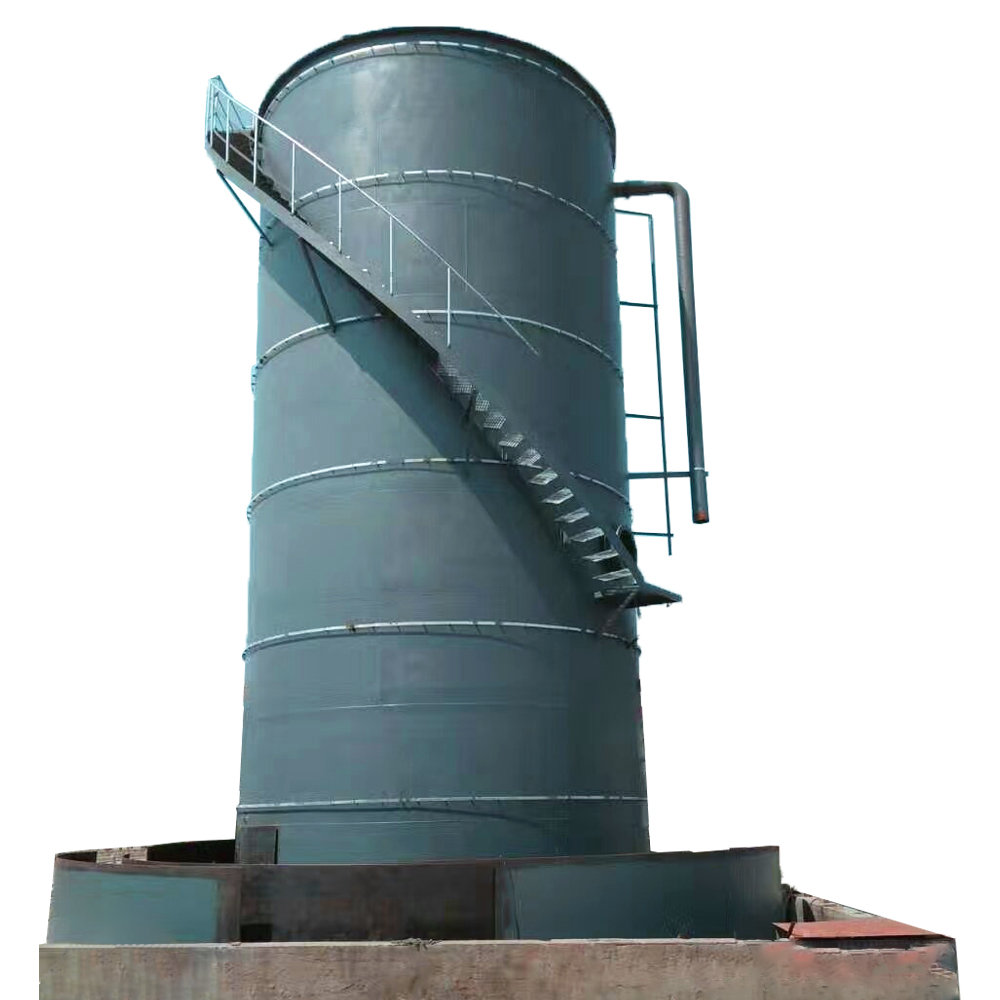
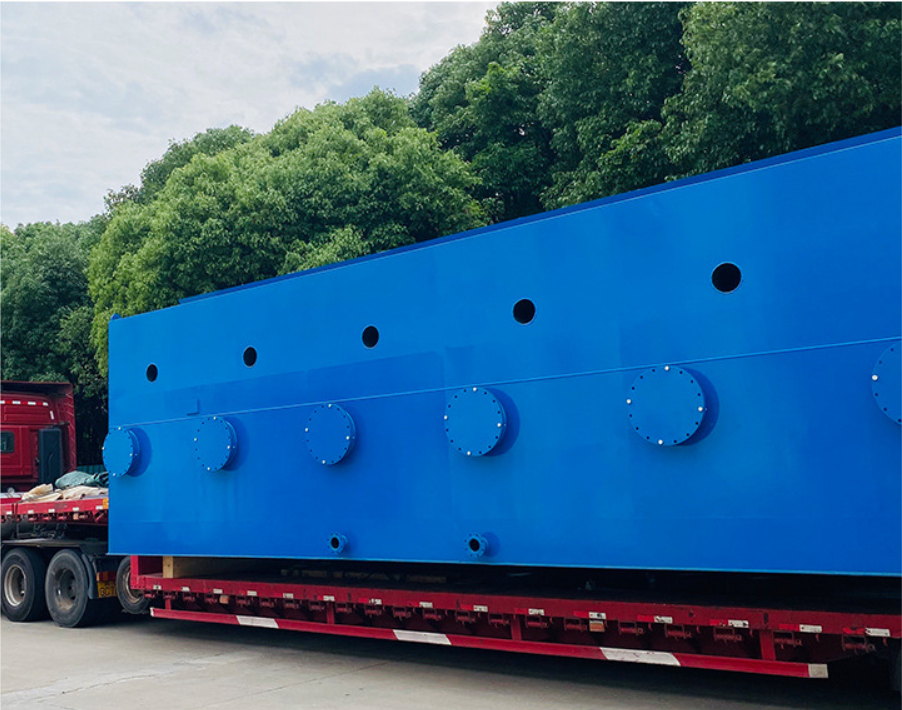
What is a microsand sedimentation tank?
- A microsand sedimentation tank is an innovative water treatment device that achieves high-speed sedimentation by adding microsand as a flocculation carrier. Its surface load can be up to 10 times that of traditional processes, and it is widely used in drinking water purification, industrial wastewater treatment, and other fields.
- Technical Principles of Microsand Sedimentation Tanks
Microsand Carrier Flocculation: By adding quartz sand with a particle size of 0.1-0.3mm as flocculation nuclei, combined with coagulants (such as PAC) and flocculants (such as PAM), high-density flocs are formed.
Three-Stage Structure Design: Includes three functional areas: a coagulation tank (for adding chemicals), a flocculation tank (for mixing microsand), and a sedimentation tank (for separation using inclined tubes).
Intelligent Control System: Employs a PLC-controlled microsand recovery system, achieving a 98% sand particle recycling rate through a hydrocyclone separator.
- Application Areas of Microsand Sedimentation Tanks
Municipal Water Supply: Particularly suitable for treating low-temperature, low-turbidity water sources, with effluent turbidity reaching 1-2 NTU. Industrial wastewater: When treating dyeing/electroplating wastewater, the SS removal rate reaches over 95%, and the TP removal rate exceeds 80%. Stormwater management: Treatment capacity reaches 120 m³/(m²·h), used for emergency treatment of stormwater overflow pollution.