1. Centralized Water Supply
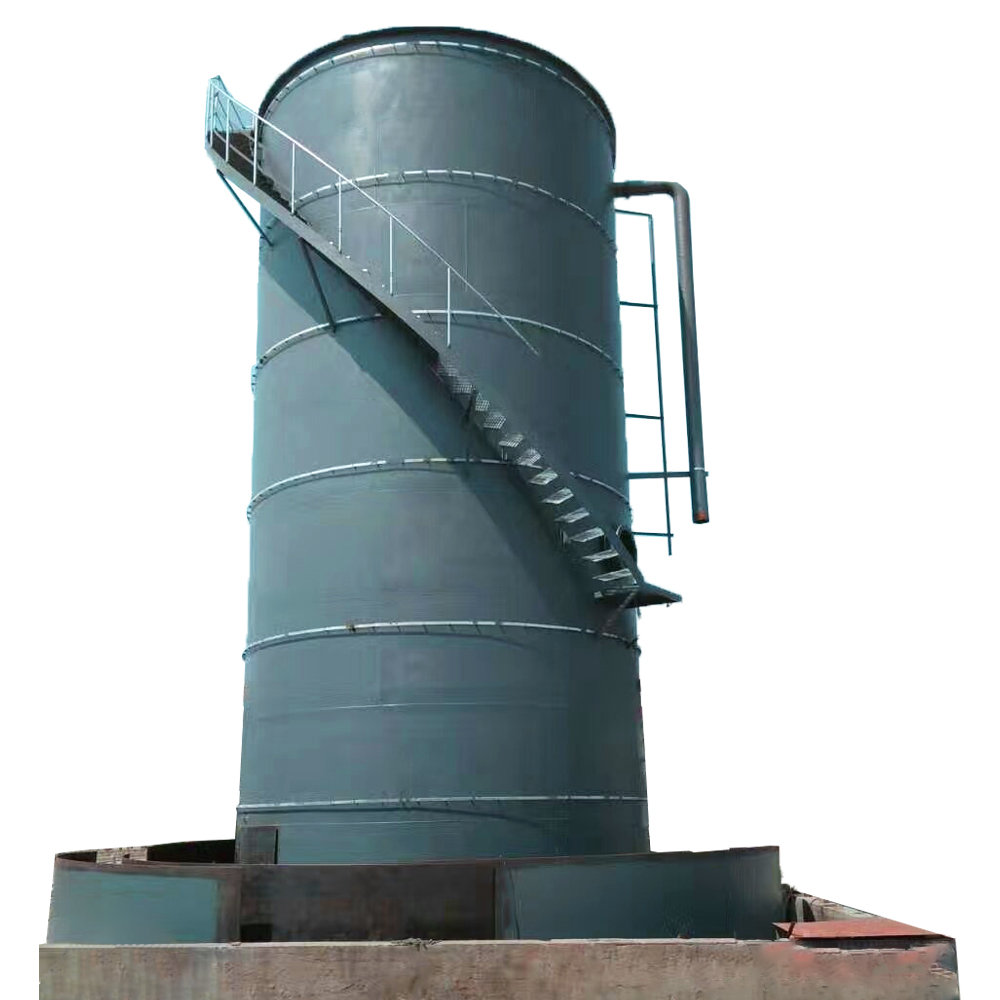
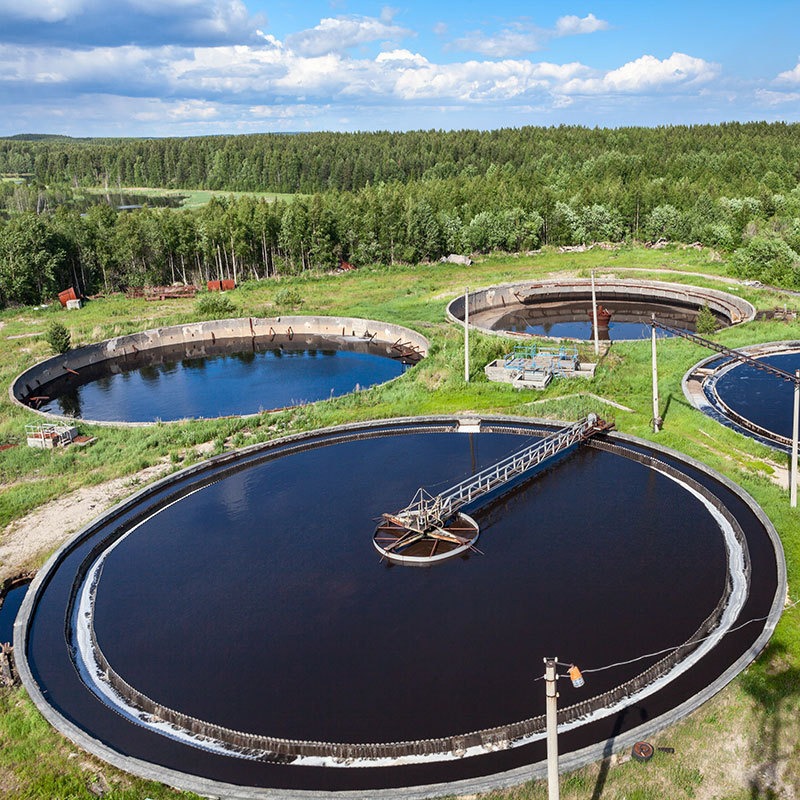
1.1 Centralized water supply refers to a method of supplying water from a single source and distributing it to consumers or public water points through a water distribution network. This includes water supply from self-built facilities, water supply stations that provide daily drinking water to consumers, and facilities that provide differentiated water supply to public places and residential communities.
1.2 Characteristics: The water source is of high quality and abundant, and hygienic measures are implemented to reduce the risk of contamination.
1.3 Applications: Suitable for areas requiring a stable water supply, such as cities and mining enterprises, with low operating costs.
1.4 Main Equipment: Circulating water pump units and main water supply system.
2. Secondary Water Supply
2.1 Secondary water supply refers to a method of supplying centralized water through pipelines or containers, where it undergoes re-storage, pressurization, disinfection, or advanced treatment before reaching consumers.
2.2 Characteristics: It requires pressurization at a storage facility, is subject to management and cleaning requirements, and is susceptible to contamination. It also relies on municipal water supply pressure limits.
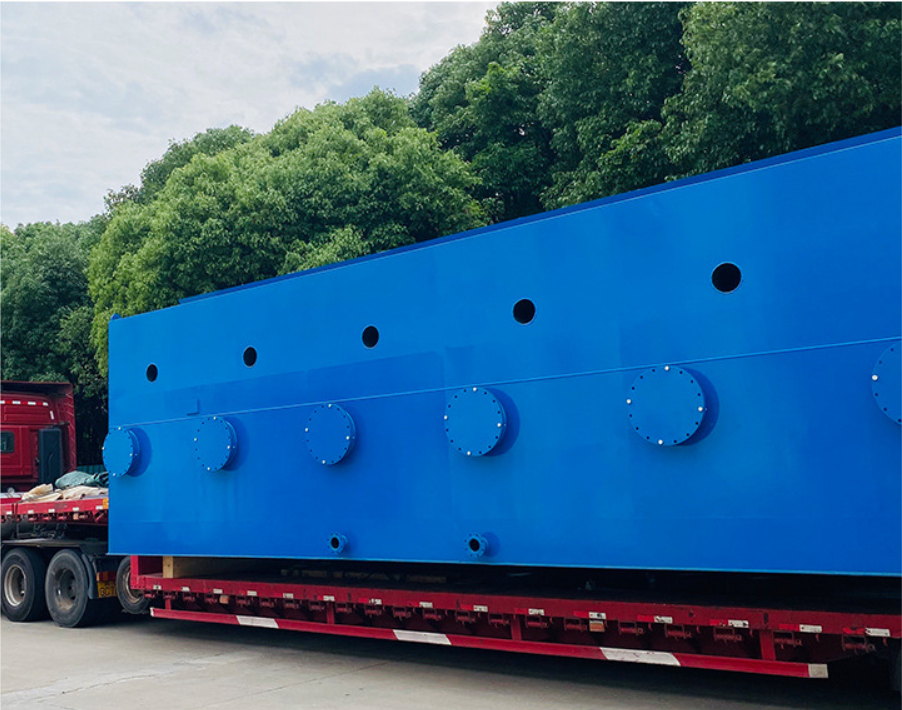
2.3 Main Equipment: Consists of three parts: a pressure tank, a water pump, and an electronic control system.
2.4 Applications: Special locations such as high-rise buildings, older residential communities, shopping malls, and office buildings.
3. Decentralized Water Supply
3.1 Decentralized water supply refers to a method in which households draw water directly from a source (such as a well or mountain spring) without any infrastructure or with only simple facilities. This method can be used for water from shallow wells, deep wells, piped wells, springs, rivers, ponds, or cellars. This water supply method is commonly used in rural areas.
3.2 Features: Simple and flexible, users draw water on their own, no professional maintenance required; low cost, but water quality is susceptible to contamination and requires regular disinfection.
3.3 Applications: Remote mountainous or pastoral areas with sparse populations, and impoverished areas with inadequate infrastructure.
3.4 Main Equipment: Reverse osmosis equipment, water quality testers, disinfection and storage tanks, and water collection devices.