1. Drinking water treatment generally involves purification, chlorination, and sometimes the addition of fluoridation agents. Treated water is collected by gravity or pumping into reservoirs and distributed through water towers or surface facilities. After use, the wastewater is typically discharged into the sewer system and treated at sewage treatment plants before being discharged into rivers, lakes, and the ocean, or reused for landscape, irrigation, or industrial purposes.
2. Treatment Process: Drinking water treatment is critical to ensuring water quality safety. Through a complex series of processes, including coagulation, sedimentation, filtration, disinfection, and advanced treatment, impurities and harmful substances are effectively removed from the water, ensuring that the tap water supplied to residents meets safety standards.
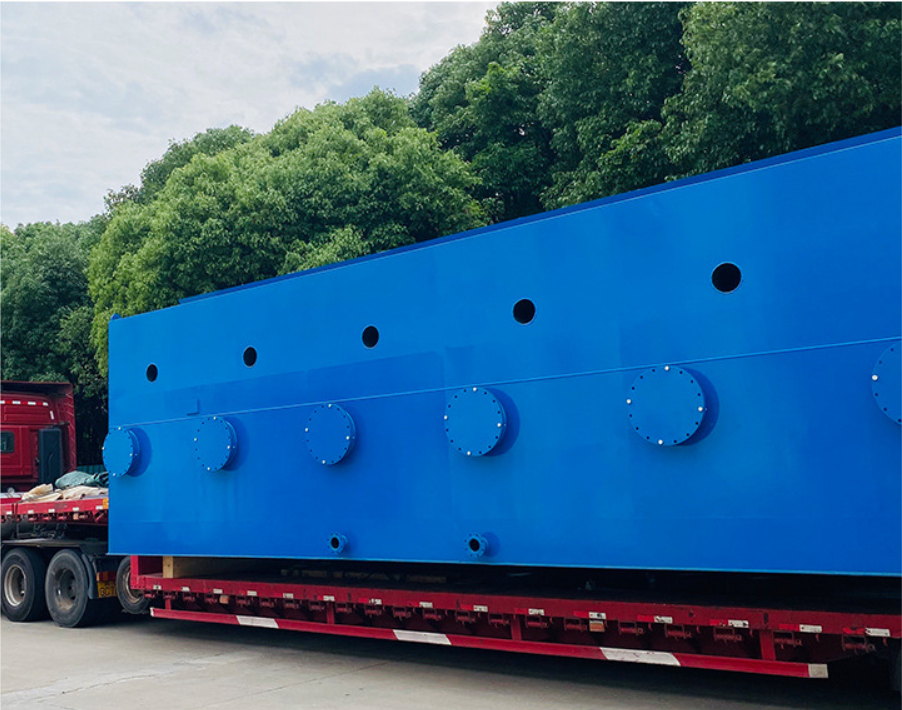
2.1 Coagulation Treatment: Raw water passes through a coagulation tank, where it is mixed with chemicals to form easily settling flocs. The coagulation reaction generates adsorbent aluminum hydroxide, which agglomerates suspended solids.
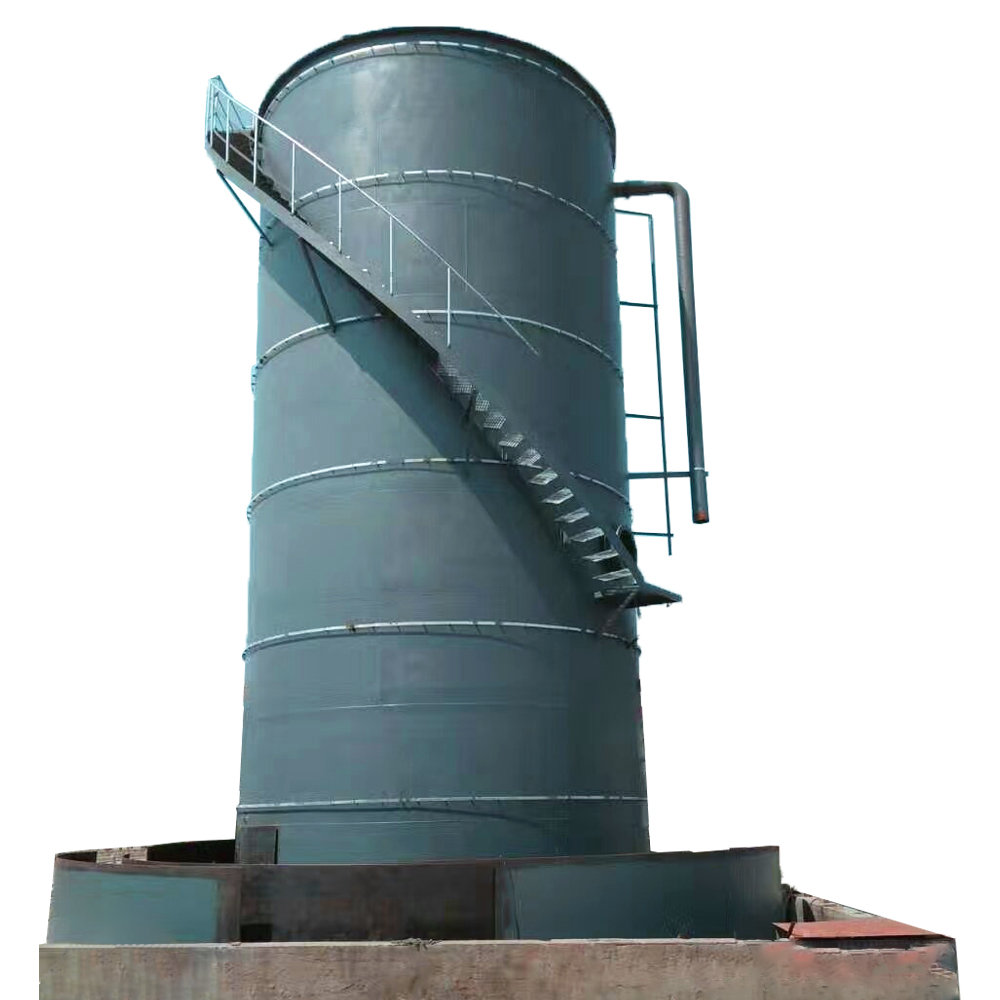
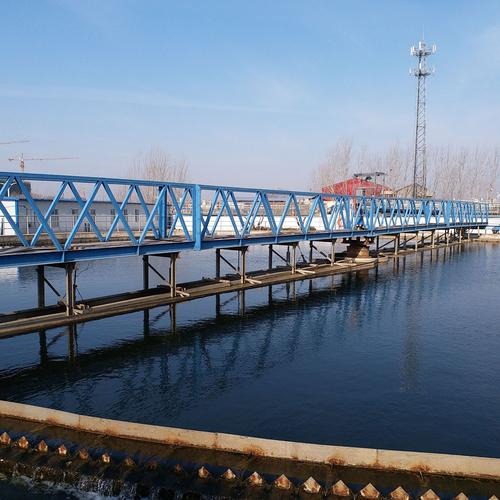
2.2 Sedimentation Treatment: The coagulated water enters a sedimentation tank, where suspended solids are separated by gravity. In the sedimentation tank, the coagulated flocs are separated from the water by gravity.
2.3 Filtration: Filtration further removes fine suspended impurities, organic matter, bacteria, and viruses from the water. It traps suspended particles within a porous granular filter layer, such as quartz sand, through adhesion, resulting in clear water.
2.4 Post-filtration Disinfection and Softening: Post-filtration disinfection is a critical step in ensuring that drinking water meets bacteriological standards. Although turbidity is significantly reduced after filtration, disinfection is still required to completely eliminate any remaining bacteria and viruses.
2.5 Advanced Treatment
Advanced Treatment utilizes ozone-activated carbon technology, membrane separation technology, and biologically activated carbon technology to remove large organic molecules and improve water quality. This is intended to address drinking water safety issues caused by industrial pollution.