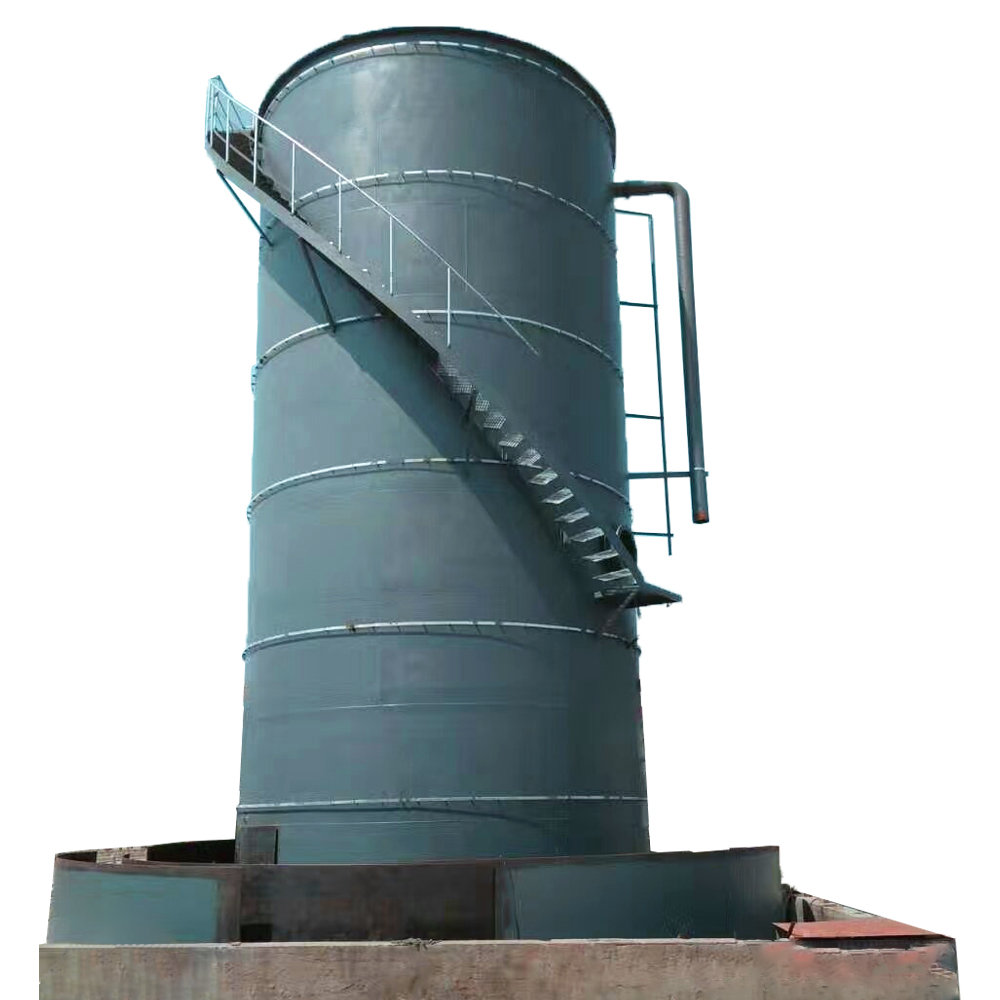
1. Composting is a process in which organic matter is continuously degraded and stabilized under specific conditions through microbial activity, producing a product suitable for land application.
2. The four core processes of sludge composting include pretreatment, primary fermentation, secondary fermentation, and post-treatment. These processes utilize microbial activity to achieve sludge de-contamination and resource recovery.
2.1 Pretreatment
Physical and chemical adjustments are made to the dewatered sludge to ensure efficient subsequent fermentation. This mainly includes:
2.1.1 Moisture content adjustment: By adding bulking agents (such as wood chips, straw) or recycled compost, the moisture content is reduced to 60%-65%.
2.1.2 pH adjustment: For highly alkaline sludge (such as dewatered sludge treated with slaked lime), neutralization is achieved by introducing carbon dioxide-containing exhaust gas or adding compost.
2.1.3 Particle size adjustment: Crushing the sludge improves aeration and prevents anaerobic conditions.
2.2 Primary Fermentation
2.2.1 In a fermentation chamber or open-air environment, thermophilic bacteria (45-65°C) rapidly decompose organic matter through aeration (by turning the compost or forced ventilation), generating high temperatures (above 55°C) to kill pathogens. This stage typically lasts 4-12 days.
2.3 Secondary Fermentation
2.3.1 The partially decomposed compost is piled to a height of 1-2 meters to further decompose recalcitrant organic matter (such as lignin), forming stable humus. This stage requires 20-30 days and can be accelerated by turning or aeration.
3. Types of sludge composting:
3.1 Aerobic composting is the decomposition of organic matter under aerobic conditions, with the main metabolic products being carbon dioxide, water, and heat.
3.2 Anaerobic composting is the decomposition of organic matter under anaerobic conditions. The final products of anaerobic decomposition are methane, carbon dioxide, and many low-molecular-weight intermediate products, such as organic acids. 4. Advantages of sludge composting
4.1 Composting can transform unpleasant waste materials into easily manageable products; this includes soil improvement, improved sanitation, enhanced land use, reduced pollution and health risks, elimination of pathogens, suppression of pests and diseases, and generating revenue from treatment or disposal fees.
4.2 It can create valuable products, i.e., compost; including producing marketable products and using compost as a substitute for other bedding materials.