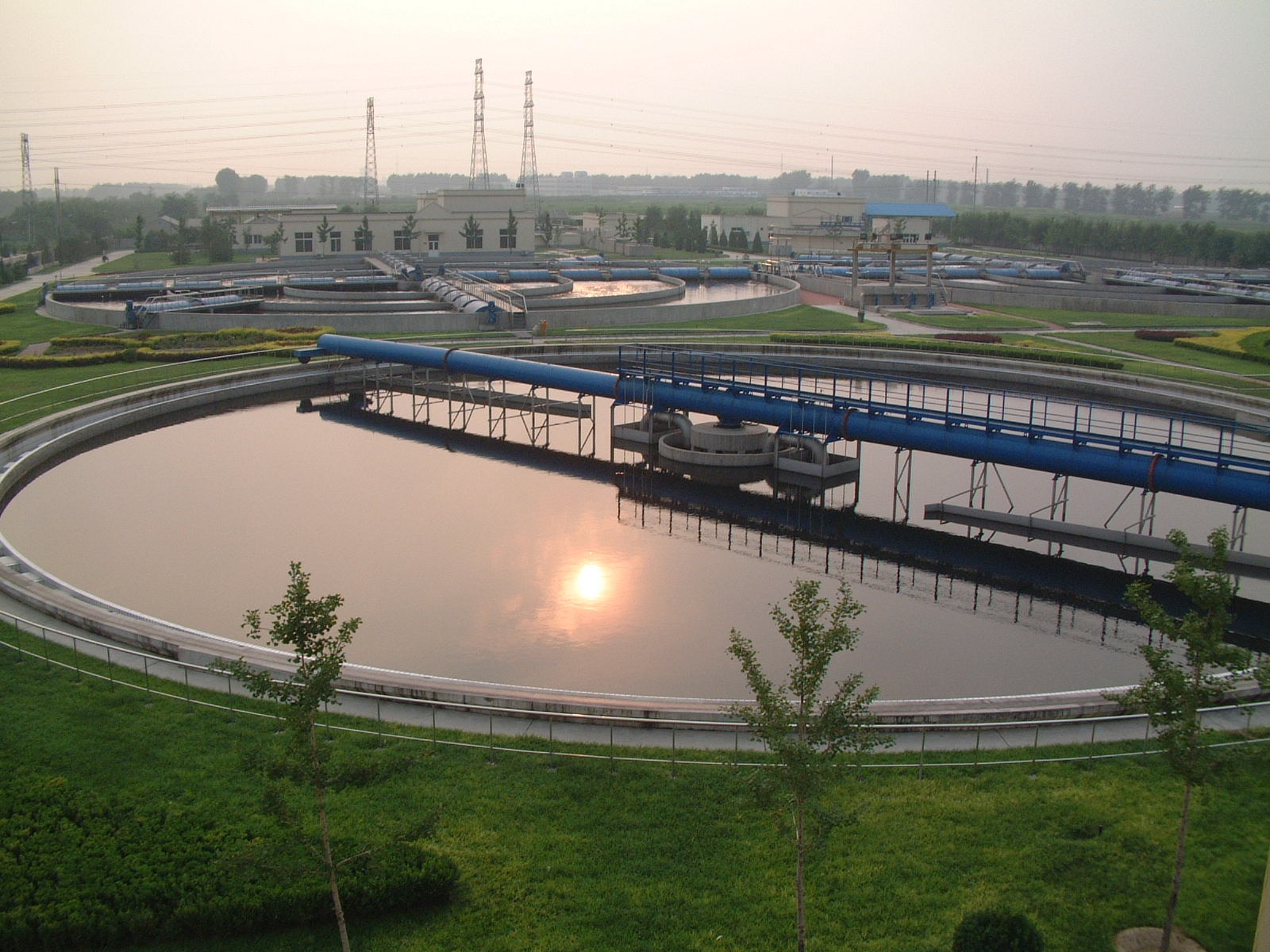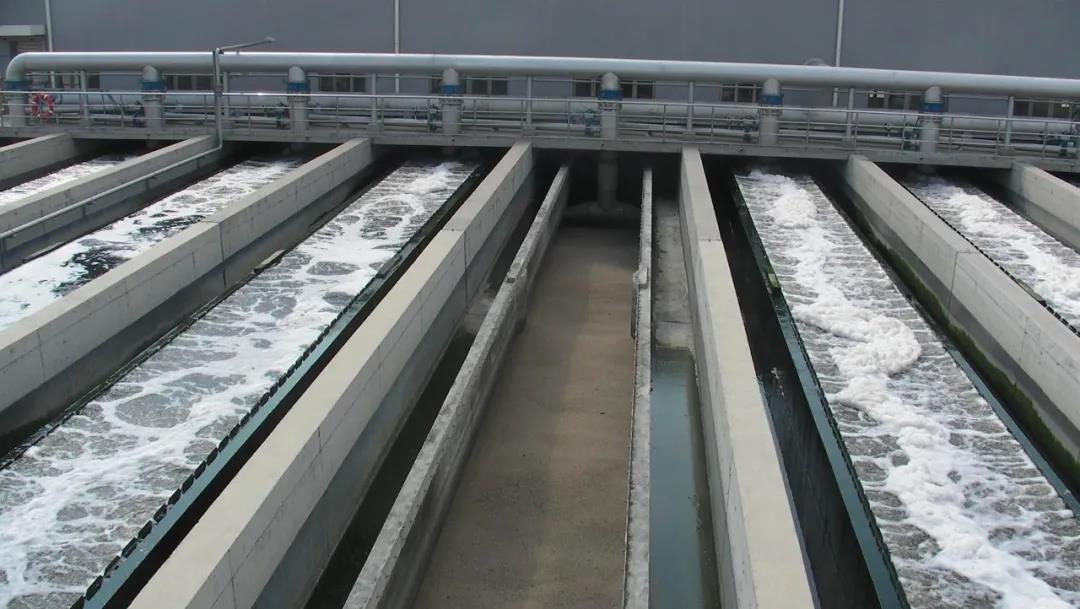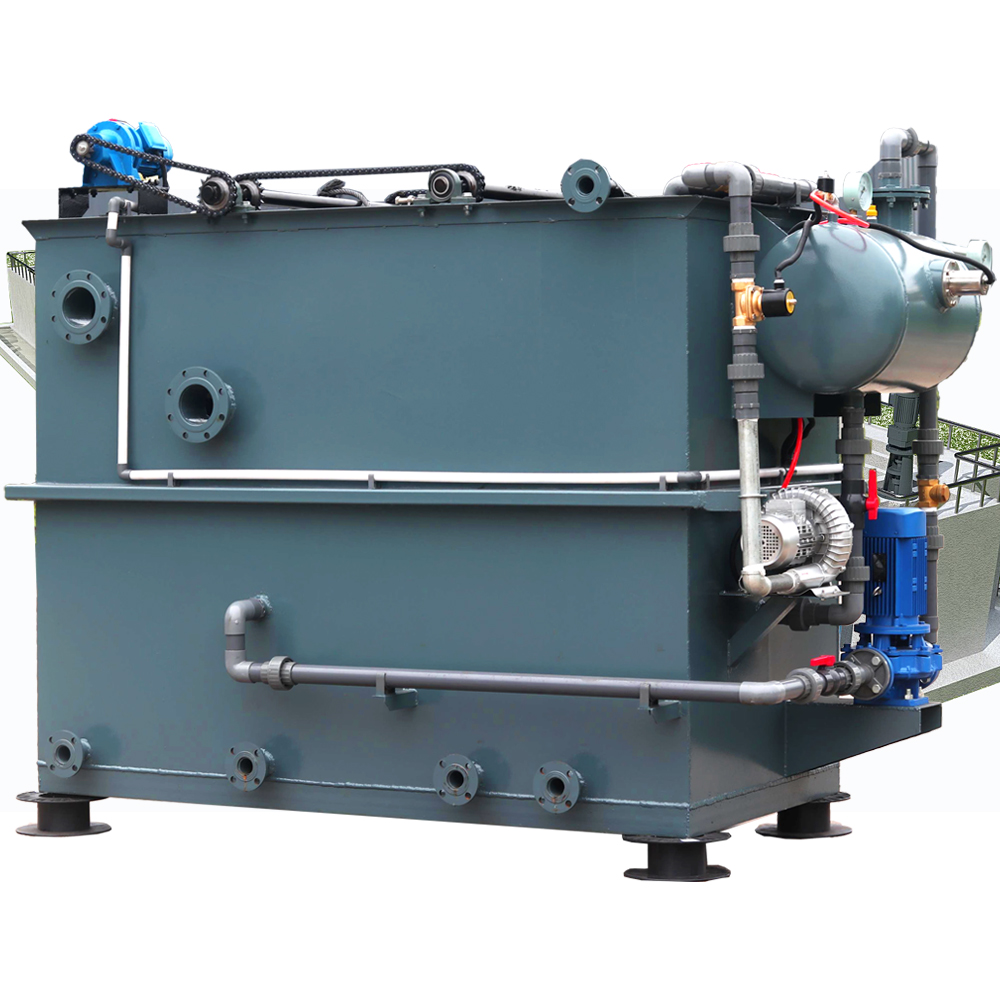
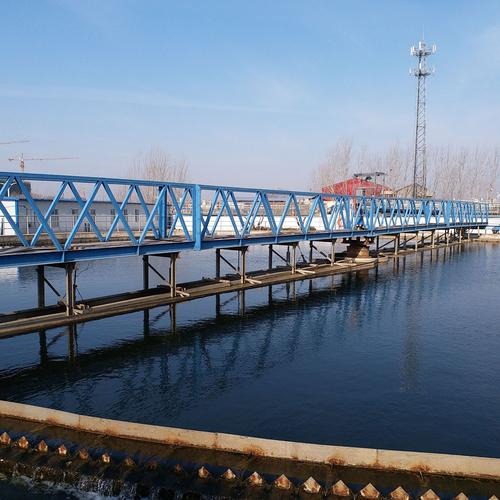
The sludge treatment process mainly includes four core links: concentration, stabilization, dehydration and final disposal. Resource utilization is achieved through reduction, stabilization and harmless treatment.
1. Concentration: Reduce the moisture content of sludge from more than 95% to 90%-93% through gravity concentration or mechanical concentration, and reduce the volume by 50%-70%
2. Stabilization:
2.1 Biological digestion: Use anaerobic or aerobic microorganisms to decompose organic matter, reduce the activity of pathogens, and achieve sludge stabilization.
2.1.1 Anaerobic digestion: Decompose organic matter to produce methane under anaerobic conditions, suitable for large-scale sewage treatment plants, and can reduce sludge volume by 30%-50%.
2.1.2 Aerobic composting: Use high-temperature fermentation to degrade organic matter. The product can be used as a soil conditioner, but the heavy metal content and odor emissions need to be controlled.
2.2 Chemical treatment: Add lime, ferric chloride and other conditioning agents to improve dehydration performance
3. Dehydration:
3.1 Mechanical dehydration: Use centrifuges, belt filter presses and other equipment to reduce the moisture content to 75%-85%.
3.2 Thermal drying: Use solar energy or thermal drying technology to further reduce the moisture content to 10%-30%, which is convenient for transportation and resource utilization.
4. Final disposal:
4.1 Landfill: Stabilized sludge is mixed with garbage and compacted and then landfilled.
4.2 Incineration: Incinerate at a high temperature above 850℃, the volume is reduced by 90%, and the ashes can be used as building materials or landfill.
4.3 Agricultural utilization: Composted sludge is used as a soil conditioner and must meet hygiene standards.
4.4 Resource utilization: Extract biomass energy (such as biogas power generation), prepare building materials, etc.