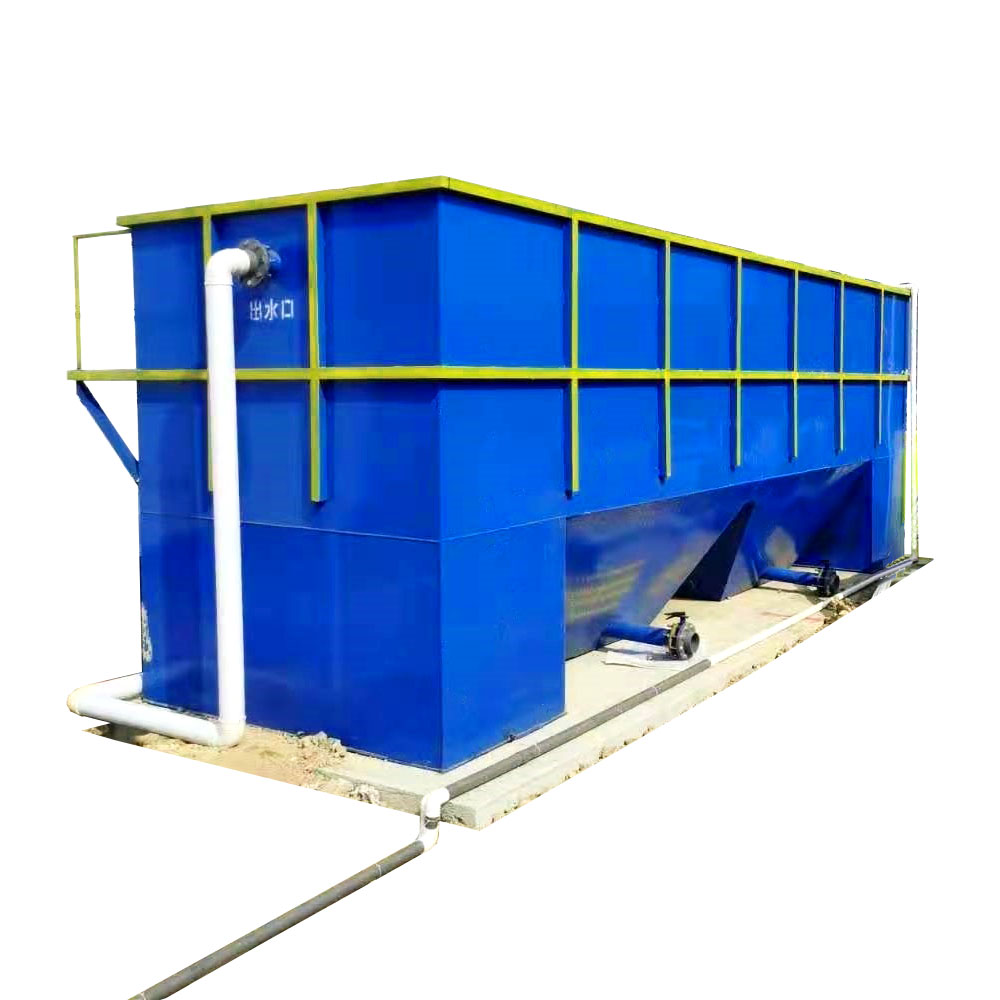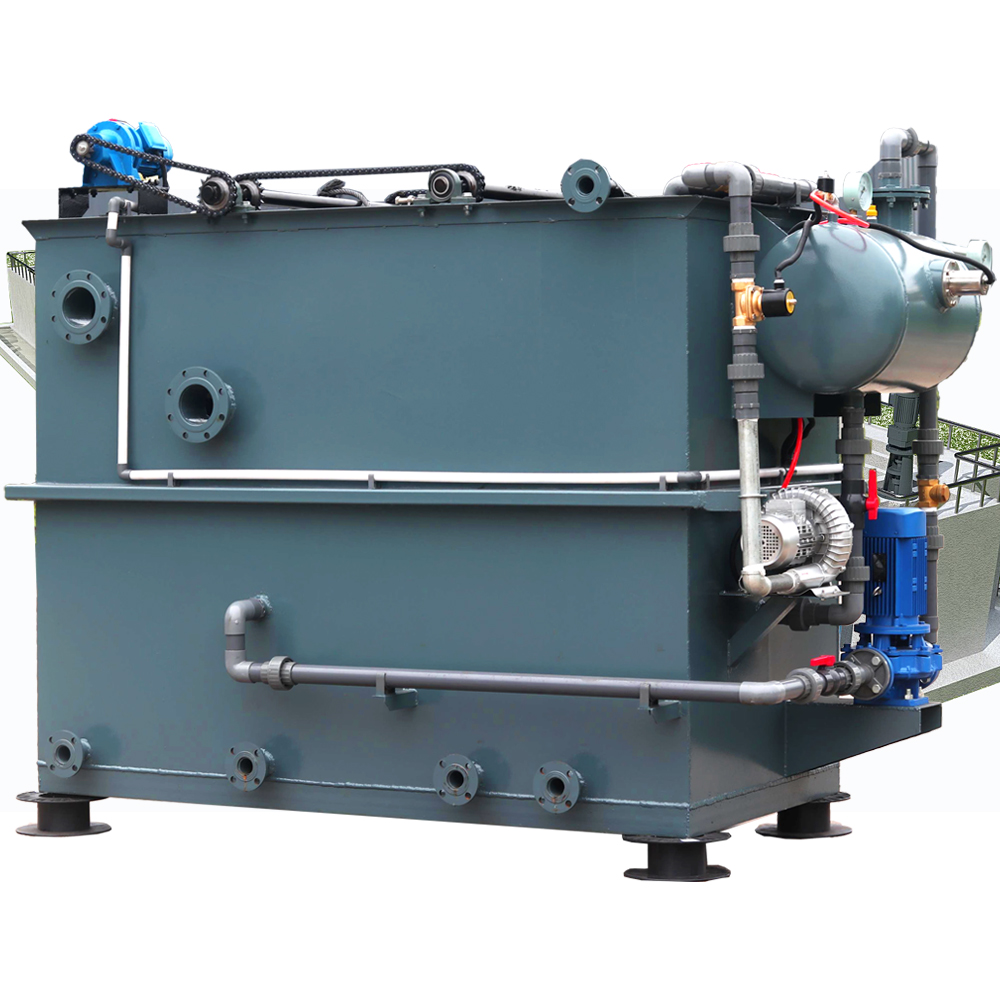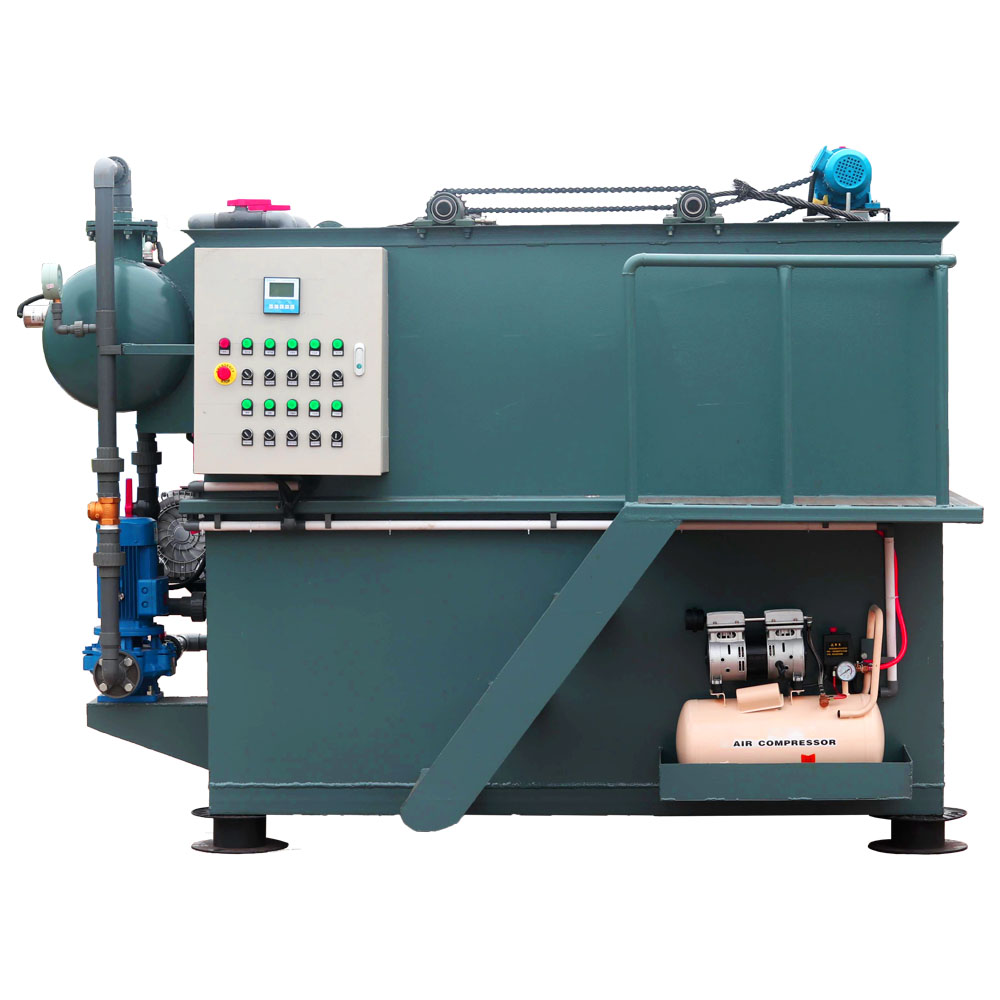
Fenton advanced oxidation technology is an efficient, environmentally friendly and economical water treatment technology, which is widely used in various water treatment fields, including industrial wastewater treatment, municipal sewage treatment and groundwater remediation.
The following is an analysis of the main advantages and features of this technology:
- Highly efficient oxidation capacity: Fenton technology generates highly oxidizing hydroxyl radicals (·OH) through the reaction of hydrogen peroxide (H₂O₂) and divalent iron ions (Fe²⁺) under acidic conditions. Its oxidation potential is as high as 2.80V, second only to fluorine. This powerful oxidation capacity can quickly decompose organic pollutants in water and convert them into harmless substances such as carbon dioxide and water.
- Environmentally friendly: No other harmful substances need to be introduced during the Fenton reaction. Only hydrogen peroxide and iron ions are used. The reaction products are harmless to the environment and avoid secondary pollution problems. This has significant environmental advantages compared to other chemical oxidation methods (such as the use of chlorides) that may produce harmful byproducts.
- Economical and practical: Fenton technology has relatively low operating costs, requires simple equipment and infrastructure, occupies a small space, and has low investment and maintenance costs. In addition, the technology is easy to operate and can flexibly adjust operating conditions according to the influent water quality, which improves treatment efficiency and reduces overall costs.
- Wide range of applications: Fenton advanced oxidation technology is suitable for treating various types of organic pollutants, including benzene, phenol, ketones and other difficult-to-degrade organic matter. This wide range of applicability makes it perform well in various types of wastewater treatment, especially in situations where traditional biological treatment methods are difficult to work.
- Reaction conditions are easy to control: The efficiency of the Fenton reaction can be optimized by adjusting parameters such as pH, concentrations of hydrogen peroxide and iron ions, and reaction time. This controllability enables the Fenton technology to adapt to the treatment needs of wastewater of different types and concentrations.
- Low sludge production: Sludge generation can be significantly reduced through improved Fenton technology, such as the fluidized bed-Fenton process. The iron hydroxide (Fe(OH)₃) sludge produced in the traditional Fenton process can be effectively treated and recycled through new technologies, further reducing treatment costs and environmental impact. Good combination with other technologies: Fenton advanced oxidation technology can be used as a pretreatment or deep treatment process in combination with other water treatment technologies (such as biological treatment, membrane technology, etc.) to further improve wastewater treatment effects and achieve more thorough pollutant removal.
In summary, Fenton advanced oxidation technology has become an important technology in the field of water treatment due to its advantages of high efficiency, environmental protection, economy and wide application range, and is of great significance in solving complex water pollution problems. With the continuous improvement and innovation of technology, the application prospects of Fenton advanced oxidation technology will be broader.