Tag: Coagulation and sedimentation

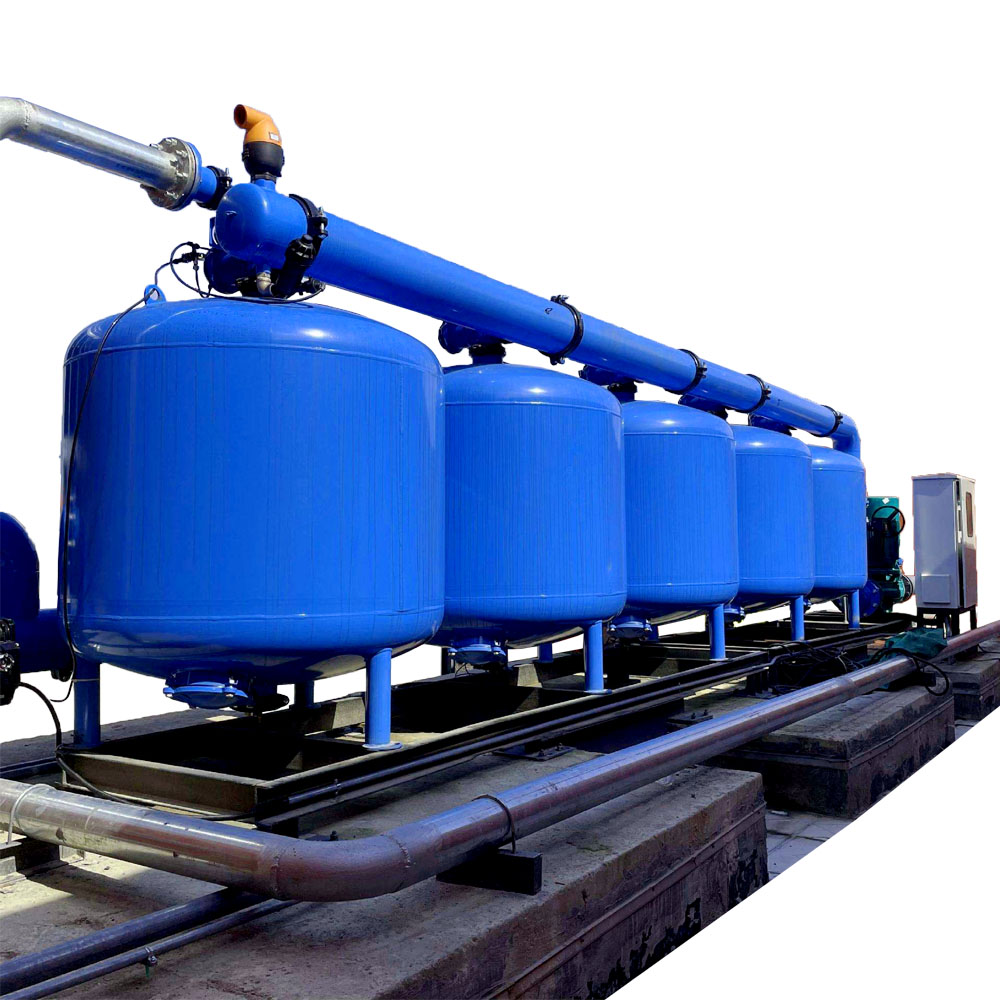
activated carbon filter
Blog

How should wastewater from glass factories be treated?

The treatment of wastewater from glass factories mainly adopts a combined process of “pretreatment + main treatment + advanced treatment + reuse” to achieve compliant discharge or resource reuse, as detailed below: 1. Pretreatment 1.1 Bar screen/screen: Removes large particulate impurities 1.2 Equalization tank: Balances water quality and quantity 1.3

Blog

What are the characteristics of garment manufacturing wastewater?

Garment wastewater mainly originates from washing, dyeing, and finishing processes in garment manufacturing. Its water quality typically exhibits the following characteristics: 1. High organic matter concentration: Contains large amounts of fiber debris, sizing agents (such as PVA), dyes, and auxiliaries, resulting in high COD (Chemical Oxygen Demand) and BOD (Biochemical

Blog

What’s the methods for wastewater pretreatment?

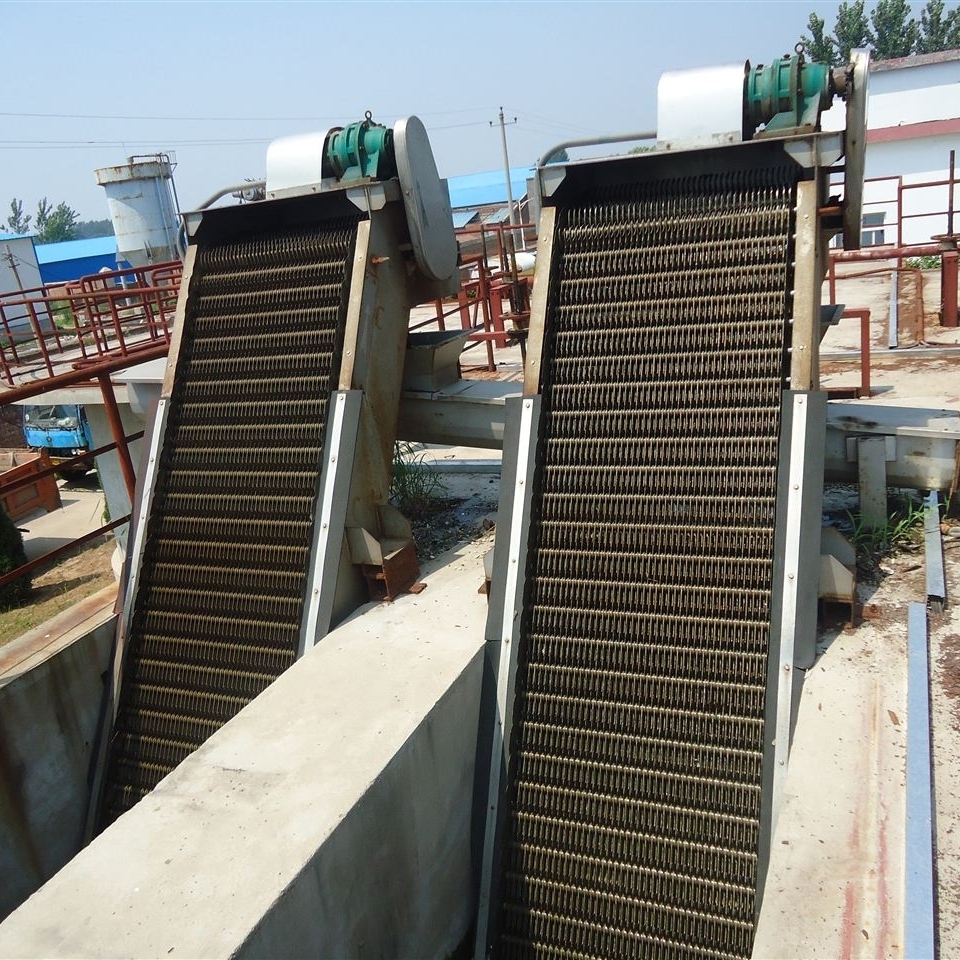
Wastewater pretreatment methods primarily include physical, chemical, and biological methods. The specific methods are as follows: 1. Physical Pretreatment 1.1 Screens: Remove large particles (such as plastic and paper scraps) through interception. 1.2 Grit Chambers: Use gravity to separate inorganic impurities such as gravel and soil. 1.3 Grease Trap: Removes

Case Studies

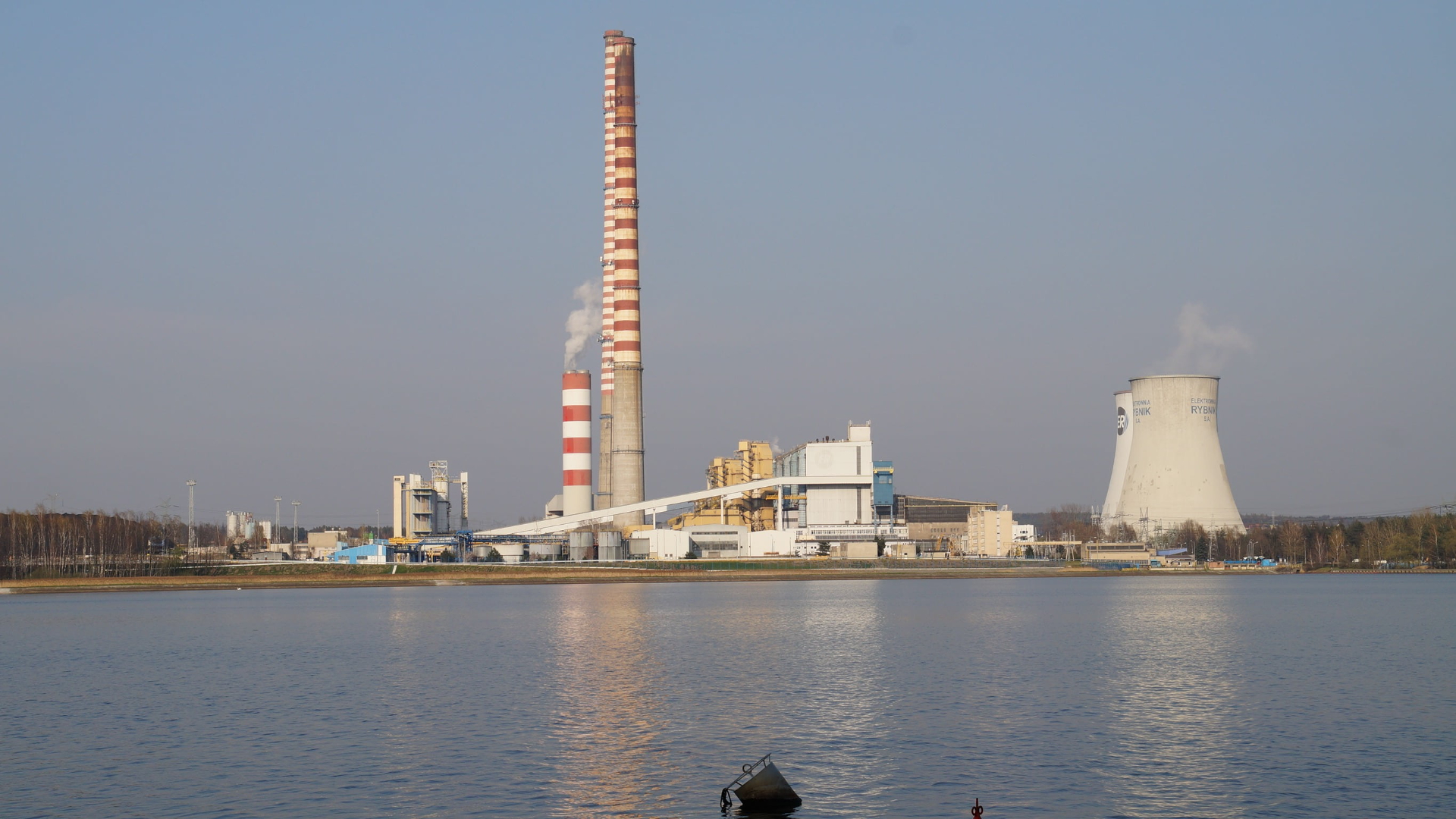
How can we remove high salinity sewage from the power station?

1. Process flow: divided into 5 stages 1) Pre-processing: ○ Screen: removes large suspended particles ○ Regulating pool: pH value adjustment ○ Coagulation and sedimentation: Add PAC+PAM to remove ss 2) Biochemical treatment ○ Hydrolysis and acidification: Improve the biodegradability of wastewater and decompose macromolecular organic matter ○ A2O: Remove