Что такое денитрификация?
Денитрификация - это важнейший биологический процесс, в ходе которого нитраты превращаются в газообразный азот, что в конечном итоге снижает уровень азота в водных системах. Эта трансформация помогает поддерживать качество воды и необходима для предотвращения вредного цветения водорослей. Понимание того, как работает денитрификация, особенно важно для управления уровнем питательных веществ в различных экосистемах.
Роль фильтров глубоких ошибок (DDBF)
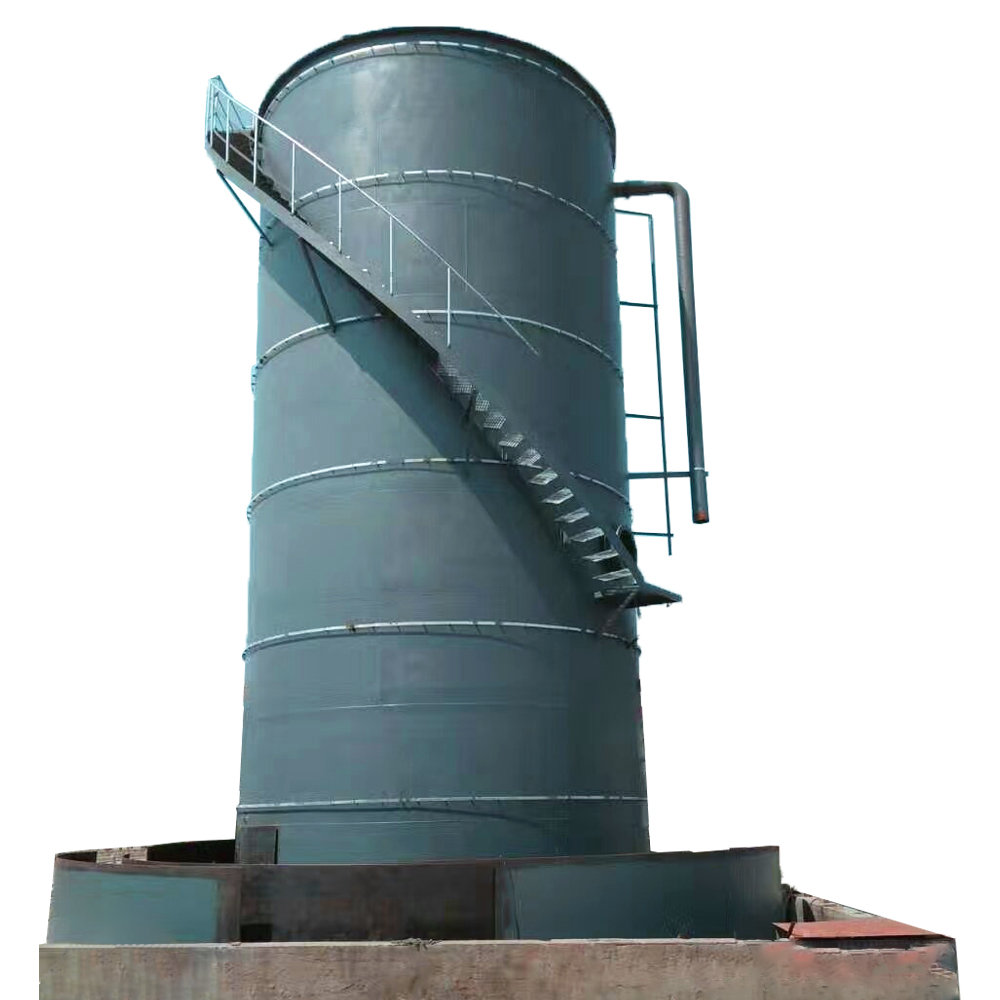
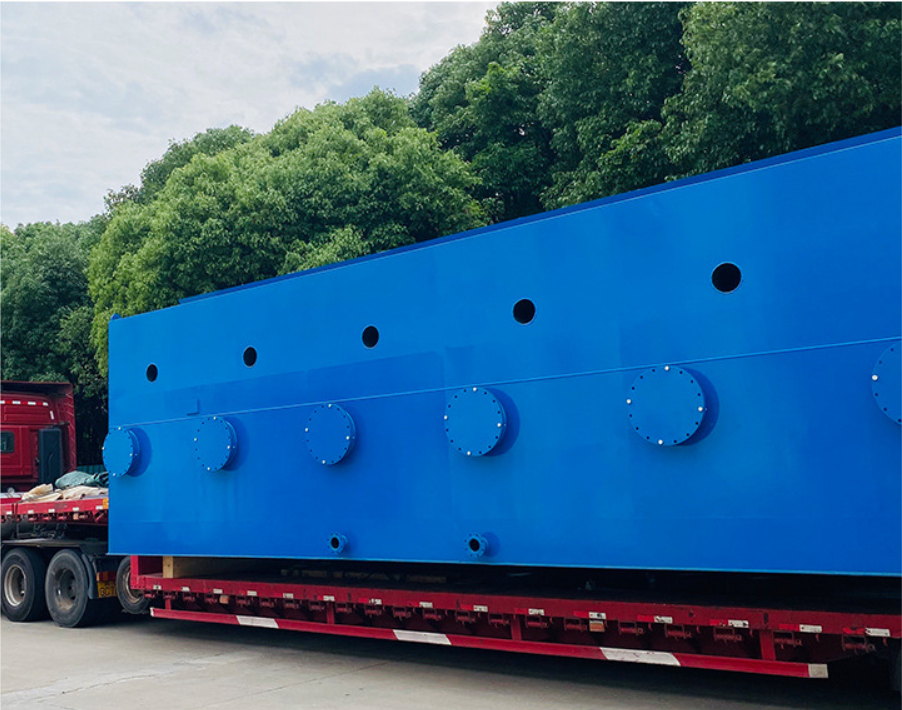
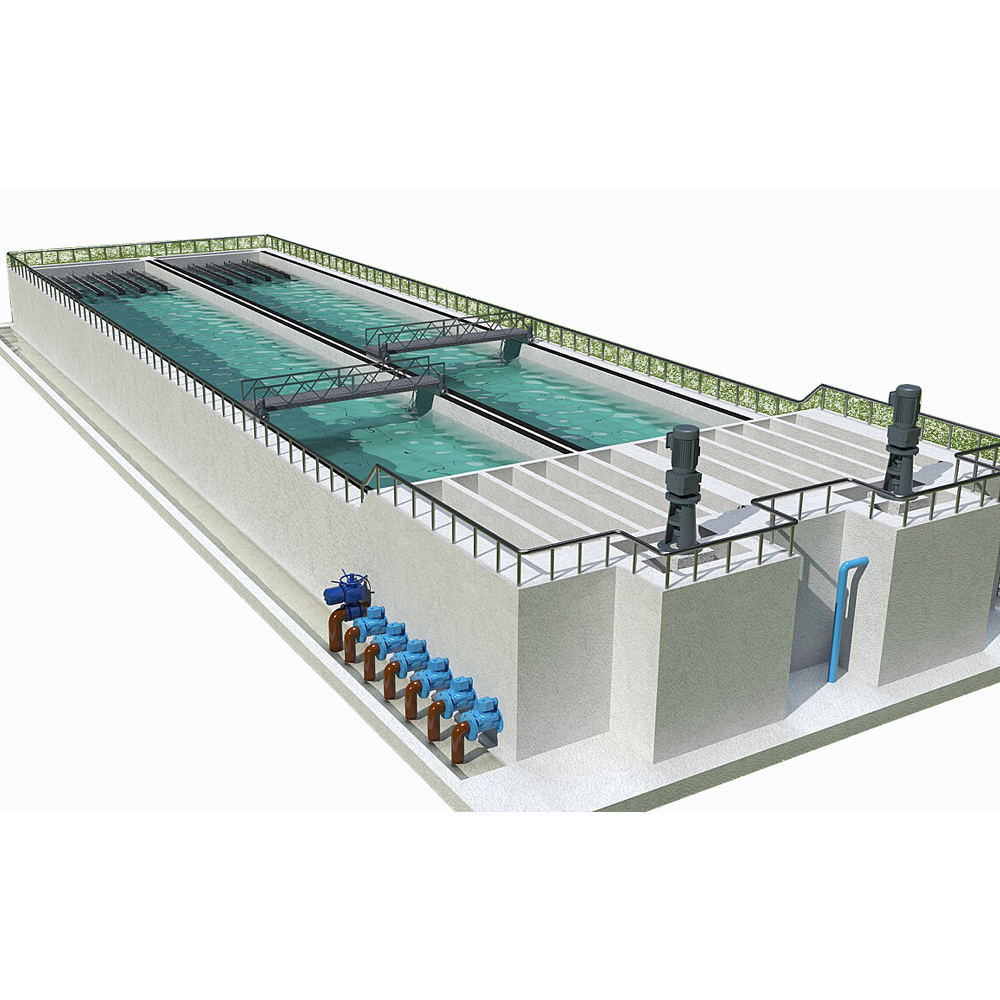
Денитрифицирующие фильтры глубокой очистки (DDBF) - это специализированные системы, предназначенные для усиления процесса денитрификации в системе водоподготовки. Эти фильтры обычно состоят из слоев гравия и органических материалов, которые обеспечивают идеальную среду для процветания денитрифицирующих бактерий. По мере прохождения воды через DDBF происходит снижение содержания нитратов, что способствует получению более чистой воды.
Преимущества использования DDBF
Использование DDBF в водоподготовке имеет множество преимуществ. Во-первых, они могут улучшить общее качество воды за счет эффективного снижения уровня нитратов. Это не только благоприятно сказывается на жизни водных организмов, но и обеспечивает безопасность воды для сельскохозяйственных нужд. Кроме того, DDBF являются экономически эффективными и экологически безопасными, поскольку они опираются на естественные биологические процессы, а не на химические методы обработки.
В заключение следует отметить, что внедрение денитрифицирующих фильтров глубокой очистки является важным шагом на пути к устойчивому управлению водными ресурсами. Понимая и используя эту технологию, сообщества могут работать над сохранением качества воды, поддерживая свои экосистемы.