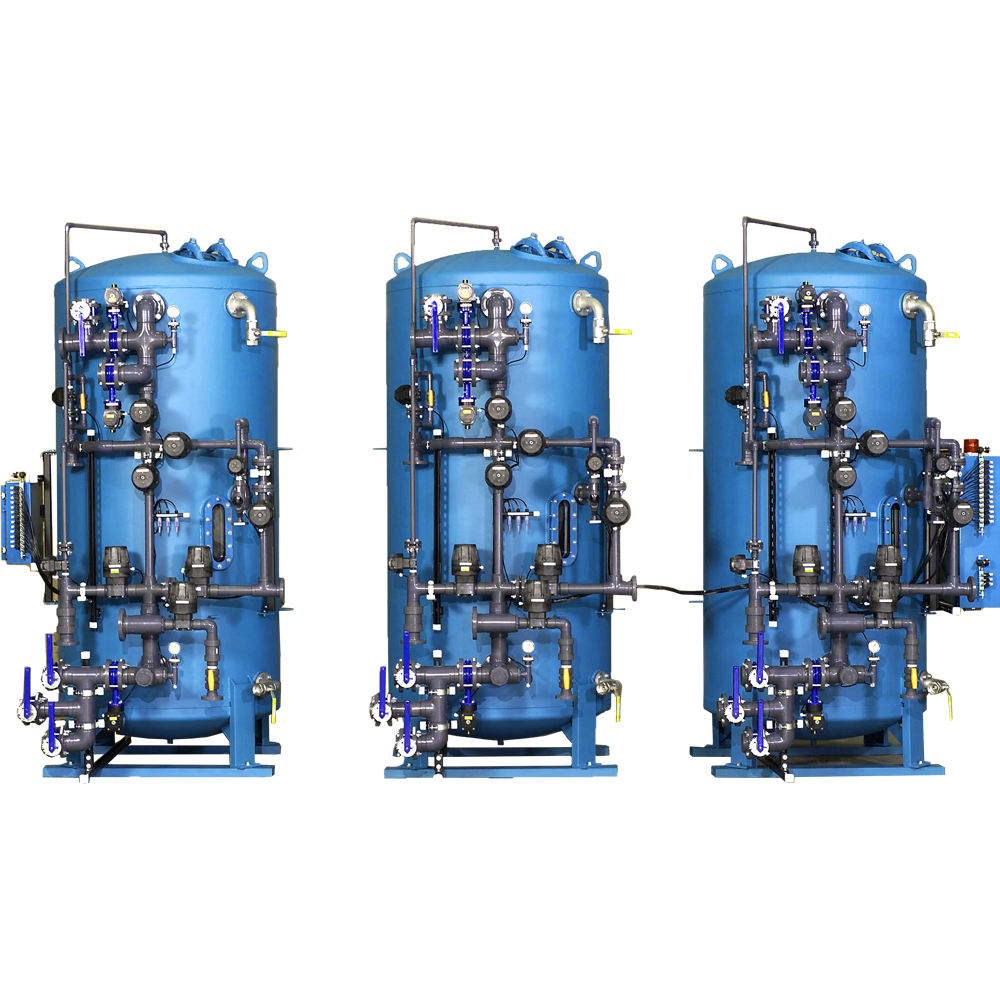
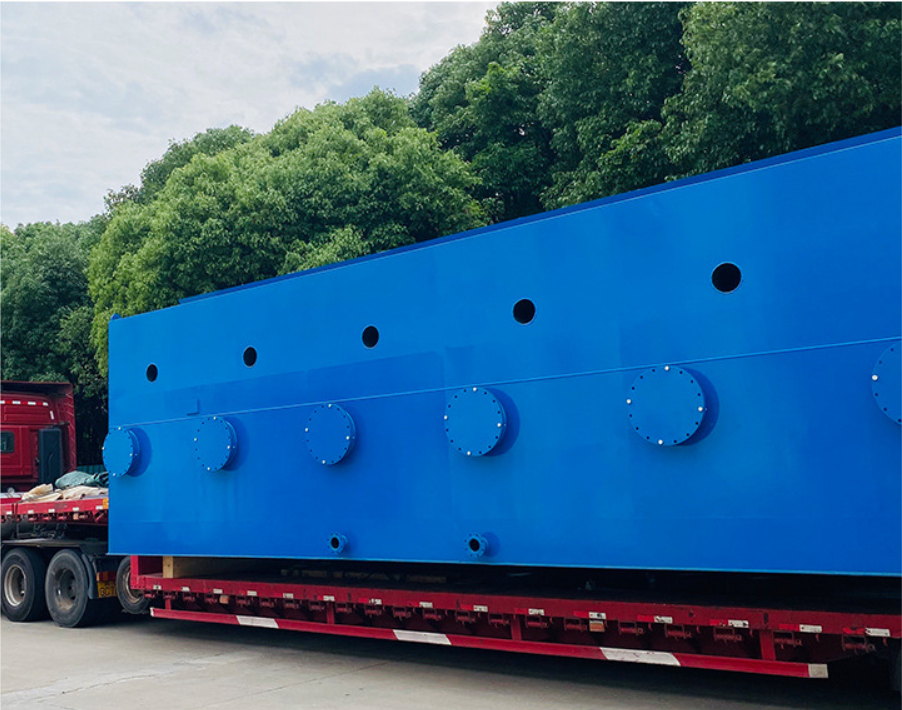
The design points of hydrolysis acidification system need to be comprehensively considered based on process principles, water quality characteristics, and operational stability. The core focus is on ensuring sufficient contact between sludge and water and improving hydrolysis acidification efficiency. It can be divided into the following modules:
1、 Key points of pre-processing facility design
Grille and screening: Fixed grilles, rotary screens, or hydraulic screens are used to intercept coarse solids and avoid clogging the subsequent water distribution system.
Selection of sedimentation tank: Priority should be given to using a horizontal flow sedimentation tank, without setting up an aeration sedimentation tank, to prevent premature oxygenation and damage to the hydrolysis environment; The supporting external sand washing device separates sand and organic matter.
2、 Key points of pool structure design
Pool type selection: A single pool can choose a circular structure, and when multiple pools are connected in parallel, a rectangular structure is preferred to share the pool wall and reduce costs.
Effective water depth: The economic operating height is controlled within 4-6m, taking into account the cost of earthwork, land occupation area, and hydraulic disturbance effect.
Length to width ratio control: The length to width ratio of a single rectangular pool is ≤ 2:1, and the width of a single pool is controlled within 10m to avoid uneven water distribution.
Grid design: Multi unit grid setting, allowing for single pool emptying and maintenance without affecting the continuous operation of the entire system.
Upward flow rate: controlled at 0.5-1.8m/h, with a maximum flow rate not exceeding 1.8m/h when running continuously for more than 3 hours to prevent sludge loss.
3、 Key points of core process parameter design
Hydraulic retention time (HRT): Under normal operating conditions, it is taken as 4-12 hours. For difficult to degrade wastewater such as printing and dyeing, it can be extended to 6-10 hours, and can be flexibly adjusted according to the influent COD and B/C ratio.
Sludge control: Maintain a sludge concentration of 2000-4000mg/L, control the sludge age at 15-30d, and set up a sludge discharge pipe at the bottom of the tank for regular sludge discharge.
Mixing method: Mechanical mixing or pulse water mixing should be used, and the mixing intensity should not damage the sludge flocs to eliminate dead corners in the tank.
4、 Key points of water distribution and outlet system design
Inlet water distribution: Multiple point water distribution or perforated pipe water distribution is used to evenly distribute the inlet water to various areas at the bottom of the pool, ensuring sufficient contact between the mud and water.
Water collection: Install weir or submerged water discharge devices to evenly collect surface water and avoid sludge loss with water flow.
5、 Key points of filling material selection and design
For wastewater with complex organic matter and moderate biodegradability, priority should be given to installing fillers to significantly increase the surface area of biological attachment, enhance system biomass, and strengthen the B/C ratio improvement effect.
For wastewater with high suspended solids and easy blockage, it is possible to choose not to add fillers to reduce the risk of filler blockage during operation and maintenance.