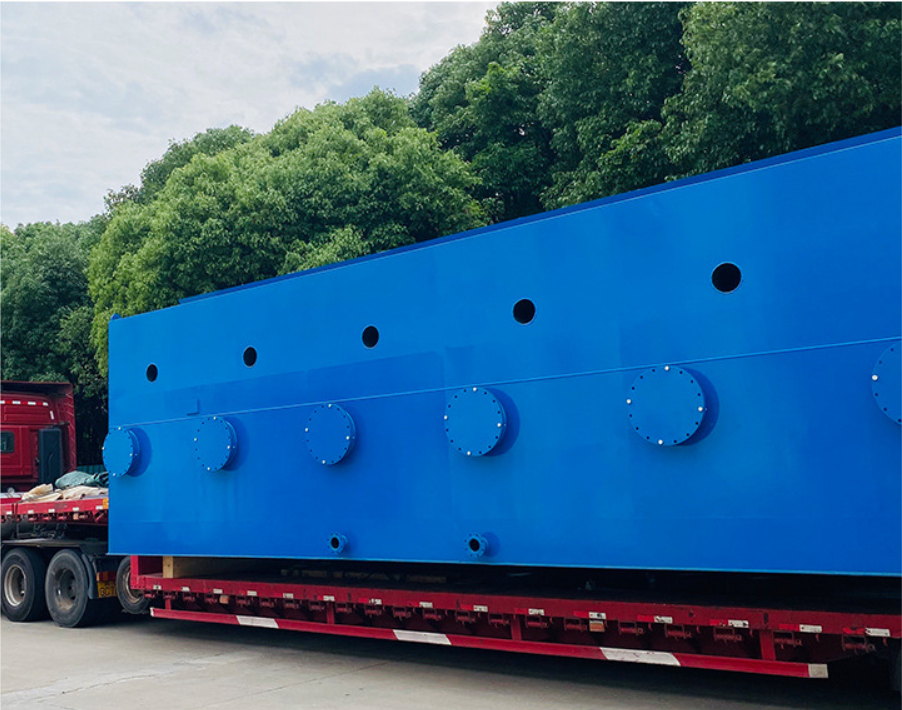
Выбор процесса, как правило, зависит от размера больницы, ее характера и назначения сточных вод. Существует четыре основных типа процессов: первичная очистка с усиленным эффектом очистки, вторичная очистка, упрощенная биологическая очистка и усовершенствованная очистка. Очистка больничных сточных вод обычно включает в себя инженерное проектирование, строительство и процедуры приемки. Очистные сооружения требуют определенного периода опытной эксплуатации, прежде чем эффект очистки достигнет ожидаемых целей. Для химической очистки требуется один месяц пробной эксплуатации, а для вторичной биологической очистки - более трех месяцев. Поэтому небольшим больницам общего профиля (в основном это городские общественные центры здравоохранения и поселковые центры здравоохранения) необходимо срочно найти техническое решение (оборудование), которое требует меньших инвестиций, имеет более короткий срок строительства и обеспечивает безопасное и надежное соответствие требованиям.
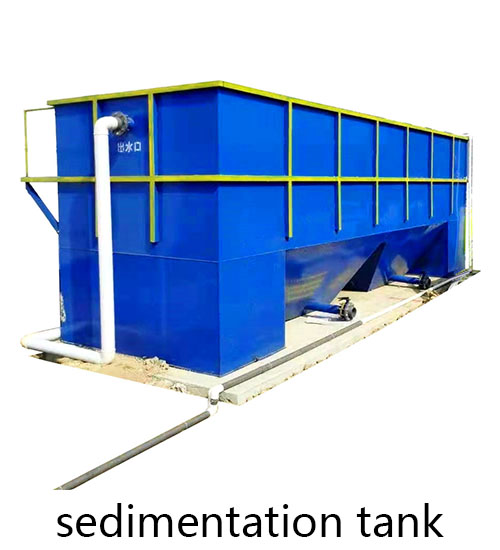
1. Первичная очистка: Типичным процессом первичной очистки больничных сточных вод является первичное отстаивание с последующим токсикологическим анализом. Этот процесс подходит для больниц, чьи сточные воды сбрасываются в городскую канализацию, особенно для некоторых больниц общего профиля.
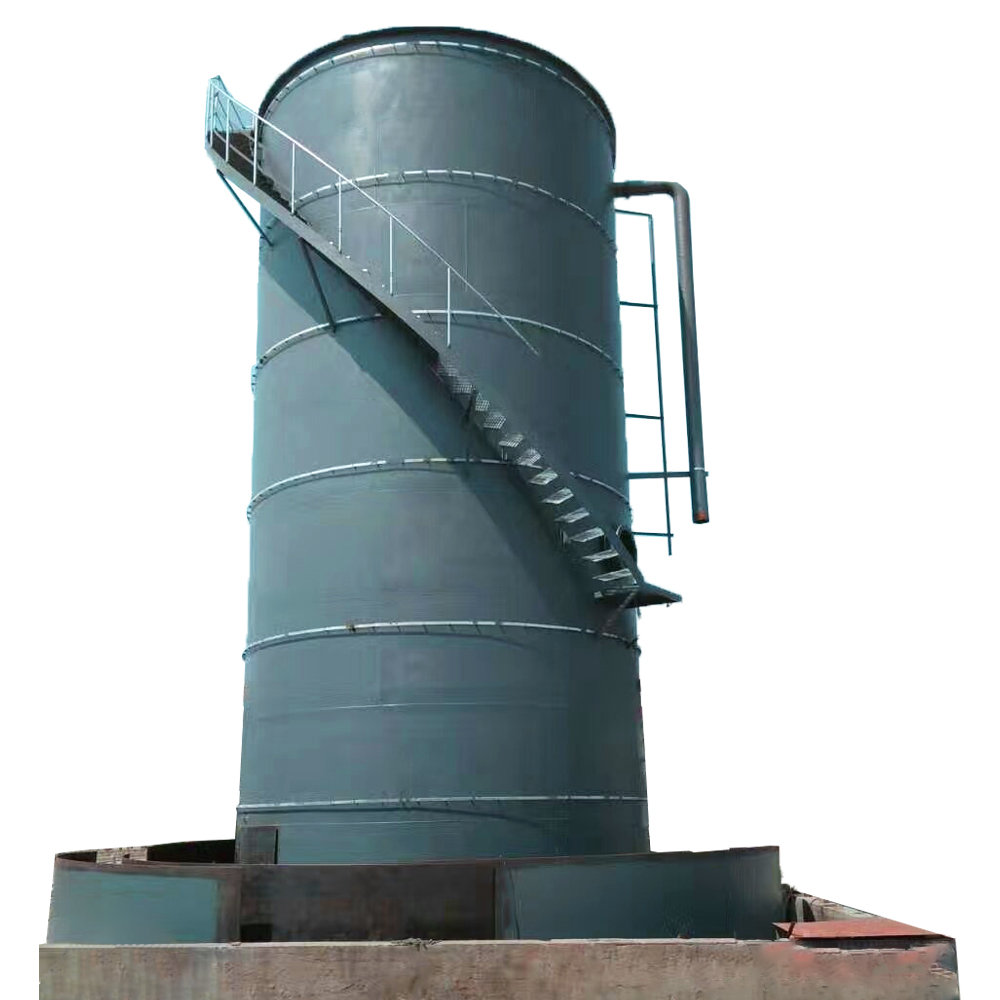
2. Вторичная очистка: Вторичная очистка - это, как правило, биологическая очистка. Обычно используются следующие методы: метод биологического вращающегося диска, метод биологического контактного окисления, метод струйной аэрации, метод окислительной канавы и метод башенного биологического фильтра. Все эти технологии относятся к методу биологического окисления и обычно используют такие методы аэрации, как принудительная тяга и механическая аэрация, чтобы способствовать размножению микроорганизмов, таких как грибки, в сточных водах, тем самым адсорбируя и окисляя органические вещества и другие вредные вещества в сточных водах. Процессы вторичной очистки подходят для больничных сточных вод, сбрасываемых в поверхностные водоемы, и могут комплексно очищать биологическое загрязнение, физико-химическое загрязнение, а также токсичные и вредные вещества в сточных водах.
3. Упрощенная биологическая очистка Упрощенная биологическая очистка - это процесс очистки сточных вод по принципу “пруд для очистки биогаза → дезинфекция”, который в основном используется для очистки сточных вод в больницах, расположенных в отдаленных горных районах и экономически слаборазвитых регионах. Пруд для очистки биогаза включает в себя три зоны: зону разделения твердой и жидкой фаз, анаэробный фильтр и зону осадительной фильтрации. Эти зоны соответственно справляются с удалением взвешенных частиц, адсорбцией коллоидов и растворенных веществ, разложением остаточных органических загрязнителей, обеспечивая в конечном итоге качество стоков за счет осадительной фильтрации.
4. Продвинутое лечение
4.1 Для очистки обычно используется сочетание физико-химических и биологических методов. Основные процессы включают: флокуляция и отстаивание (физико-химические) + гидролиз и подкисление (биологические) + расширенное окисление (биологические) + дезинфекция - достижение стандартов сброса.
4.2 Флокуляция и седиментация (физико-химические) + гидролиз и подкисление (биологические) + МБР (биологические) + дезинфекция - достижение стандартов сброса.
4.2.1 Физико-химическая обработка: В первую очередь, это добавление в сточные воды флокулянтов, коагулянтов и других химических реагентов для перевода вредных веществ в осадок, что позволяет достичь желаемого эффекта за счет обработки осадка.
4.2.2 Биологическая очистка: Это предполагает анализ способности микроорганизмов в природных водоемах разлагать органические вещества. Анализ показывает, что микроорганизмы в разных средах могут разлагать различные вредные вещества. Обычно используется культивирование анаэробных бактерий + аэробных бактерий, т.е. гидролиз, подкисление и расширенное окисление.