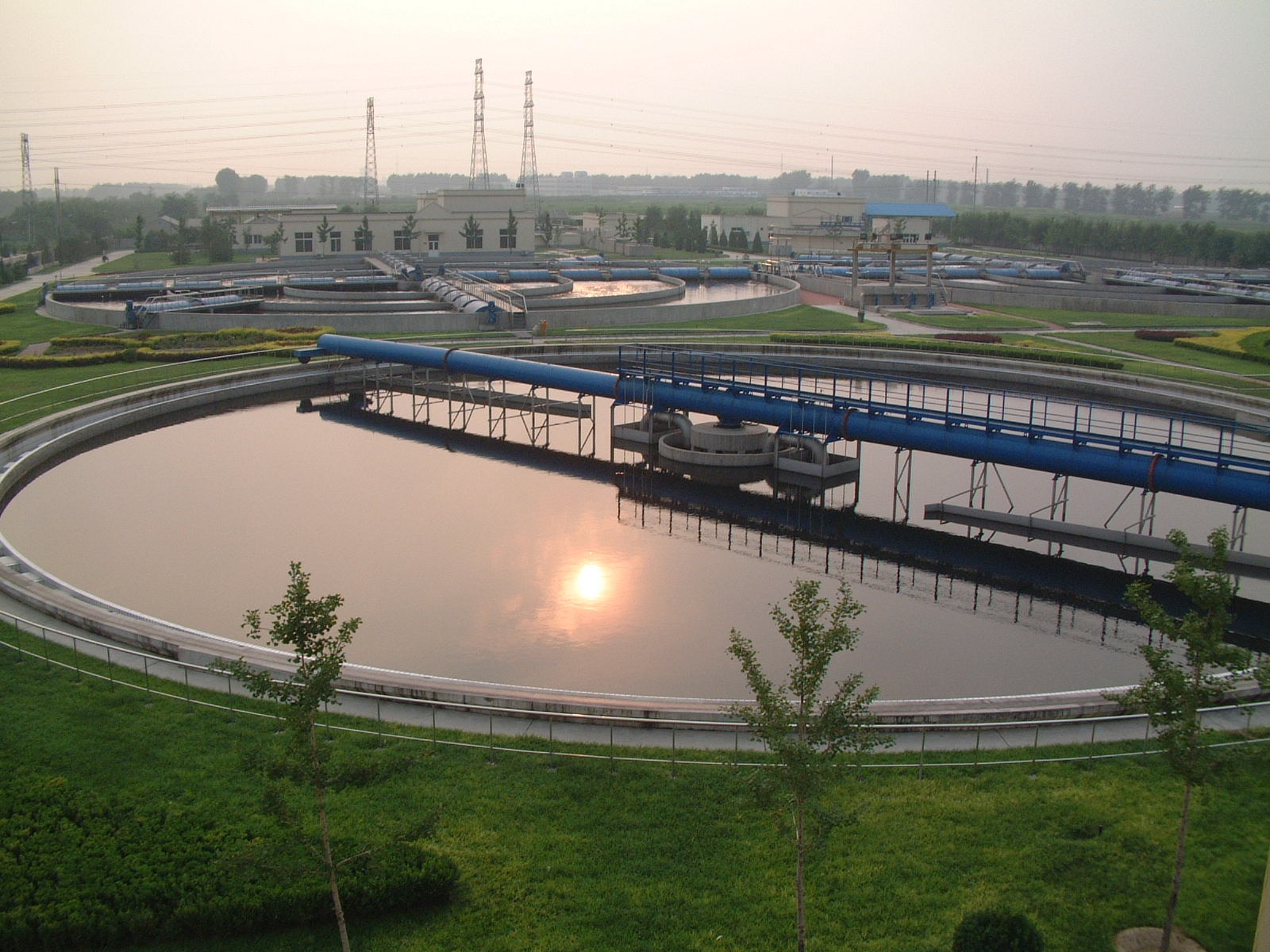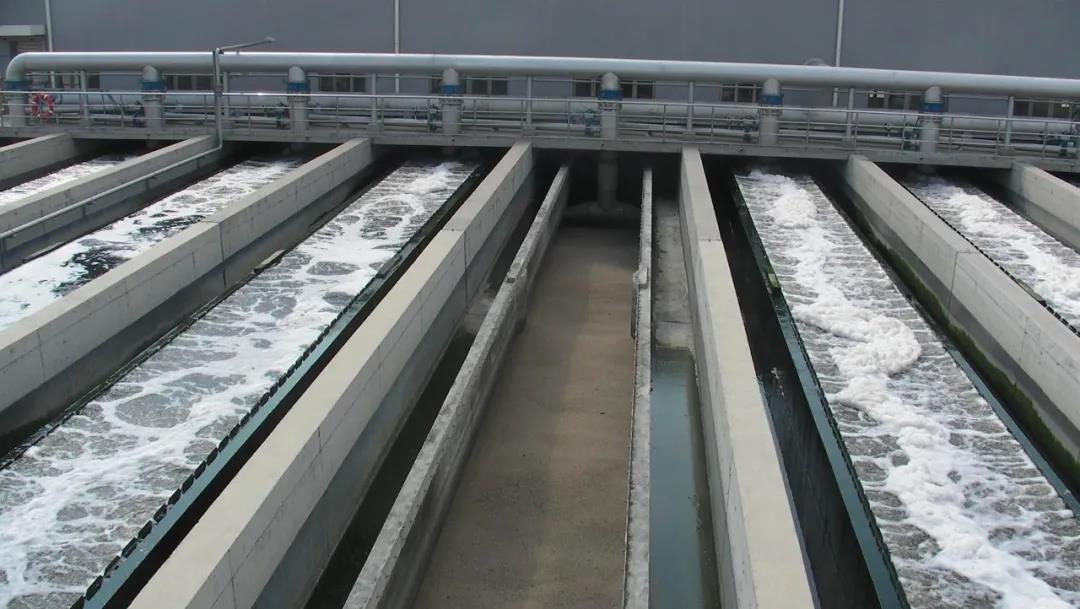
(1) According to the urban wastewater treatment and pollution prevention technology policy, wastewater treatment facilities with a daily treatment capacity of 200,000 cubic meters or more (excluding 200,000 cubic meters/day) generally adopt the conventional activated sludge process. Other mature technologies may also be used. For wastewater treatment facilities with a daily treatment capacity of 100,000 to 200,000 cubic meters, mature processes such as the conventional activated sludge process, oxidation ditch process, SBR process, and AB process can be selected. For wastewater treatment facilities with a daily treatment capacity of less than 100,000 cubic meters, technologies such as oxidation ditch process, SBR process, hydrolysis aerobic process, AB process, and biological filter process can be selected, or the conventional activated sludge process can also be used.
(2) According to the requirements of the urban wastewater treatment and pollution prevention technology policy, in areas with control requirements for nitrogen and phosphorus pollutants, a secondary enhanced treatment process with strong phosphorus removal and ammonia removal functions should be adopted. Wastewater treatment facilities with a daily treatment capacity of more than 100,000 cubic meters generally use technologies such as the A/O process and the A/A/O process. Other equivalent technologies may also be carefully selected; for wastewater treatment facilities with a daily treatment capacity of less than 100,000 cubic meters, in addition to the A/O method and A/A/O method, oxidation ditch method, SBR method, hydrolysis aerobic method, and biological filter method with phosphorus and nitrogen removal effects may also be selected.
(3) According to the urban wastewater treatment and pollution prevention technology policy, under the conditions of strict environmental impact assessment, meeting relevant national standards and water body self-purification capacity requirements, the method of discharging urban wastewater into major rivers or deep seas may be carefully adopted. When the secondary treatment effluent of urban wastewater cannot meet the water environment requirements, in areas with suitable conditions, wasteland, idle land, and other available conditions may be utilized to further treat the wastewater using land treatment systems and natural purification technologies such as stabilization ponds. (4) Process Flow Wastewater is collected by the drainage system and enters the screen well of the wastewater treatment plant. After removing particulate matter, it enters the equalization tank for homogenization and equalization. The equalization tank is equipped with a pre-aeration system. The liquid level controller transmits a signal, and the wastewater is pumped to the primary sedimentation tank for sedimentation. The wastewater flows by gravity to the A-level biological contact oxidation tank for acidification, hydrolysis, nitrification, and denitrification to reduce the concentration of organic matter and remove some ammonia nitrogen. Then, it flows into the 0-level biological contact oxidation tank for aerobic biochemical reaction. Here, most organic pollutants are degraded through biological oxidation and adsorption. The effluent flows by gravity to the secondary sedimentation tank for solid-liquid separation. The supernatant from the sedimentation tank flows into the disinfection tank, where oxygen tablets are added to dissolve and kill harmful bacteria in the water before it meets the discharge standards. The debris intercepted by the screen is periodically loaded into a cart and dumped to the landfill. Part of the sludge in the secondary sedimentation tank is returned to the A-level biological treatment tank, and the other part of the sludge is sent to the sludge tank for sludge digestion and then periodically pumped out. The supernatant from the sludge tank is returned to the equalization tank for further treatment.