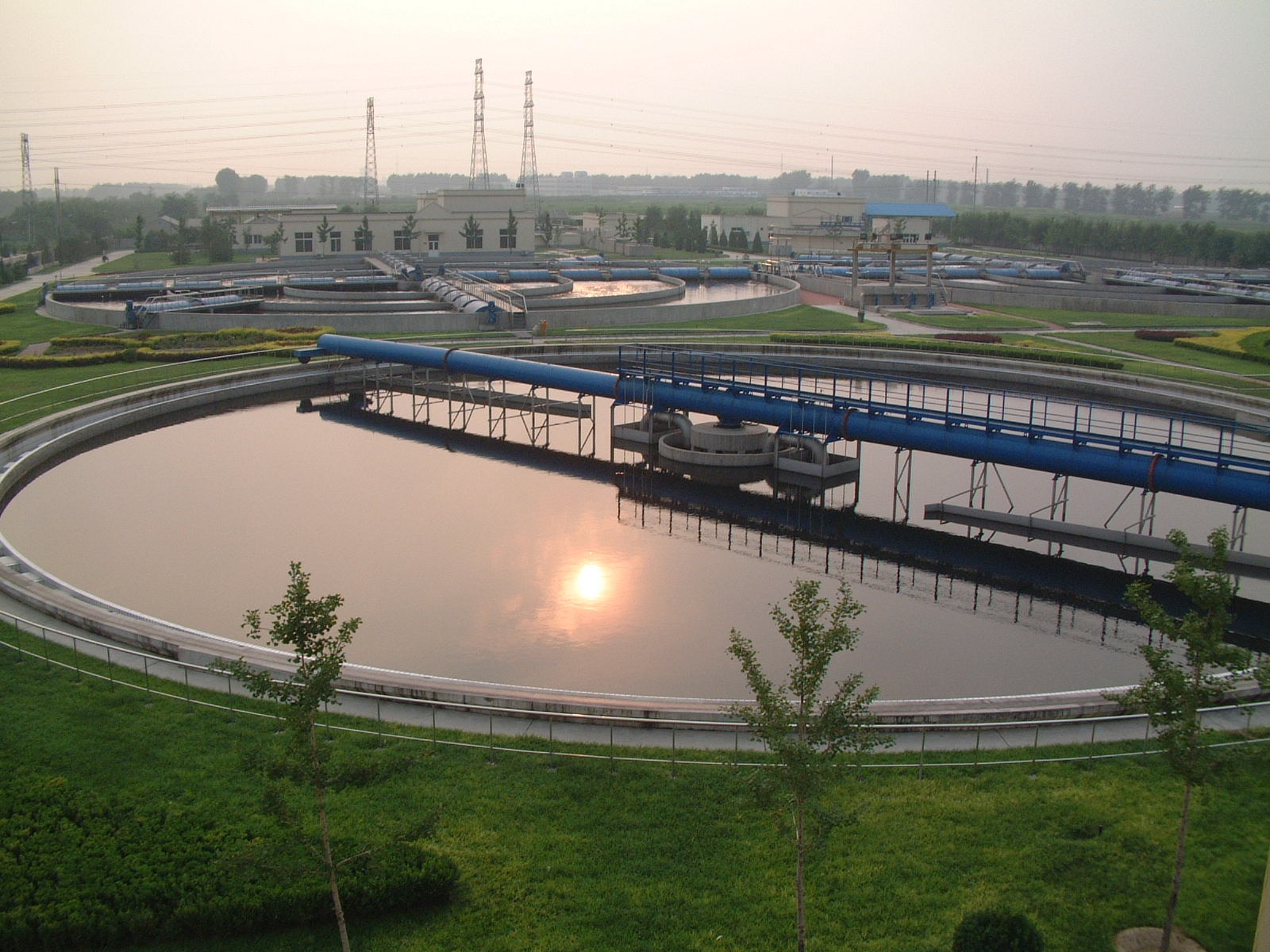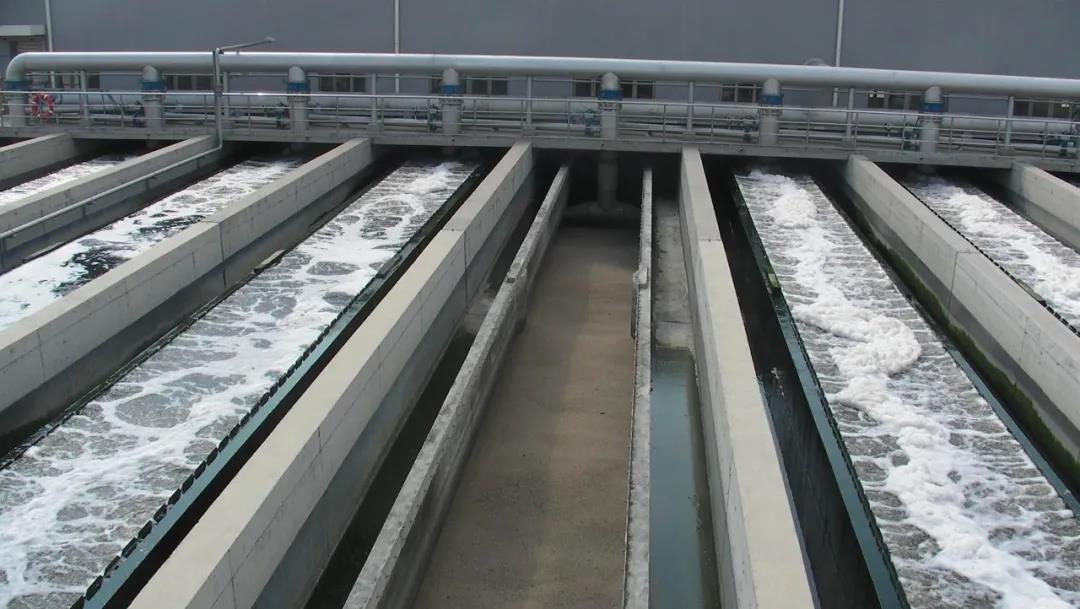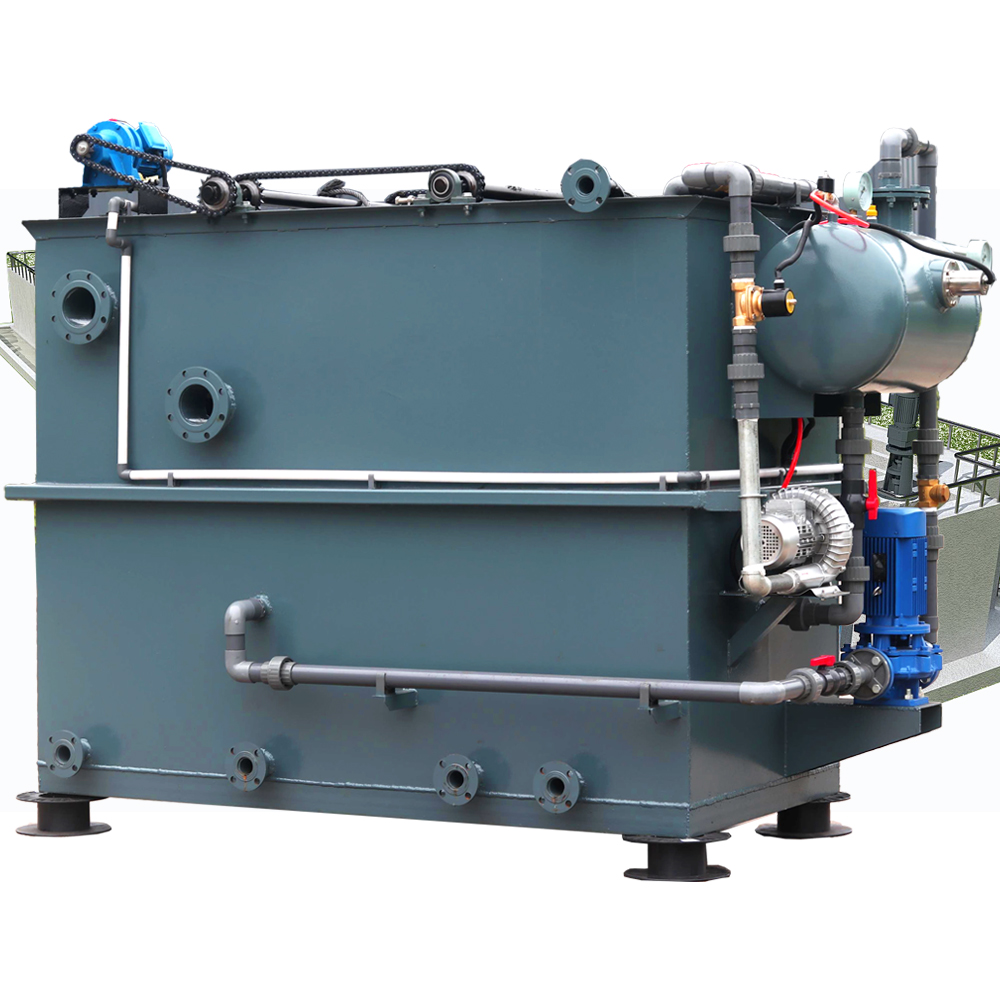
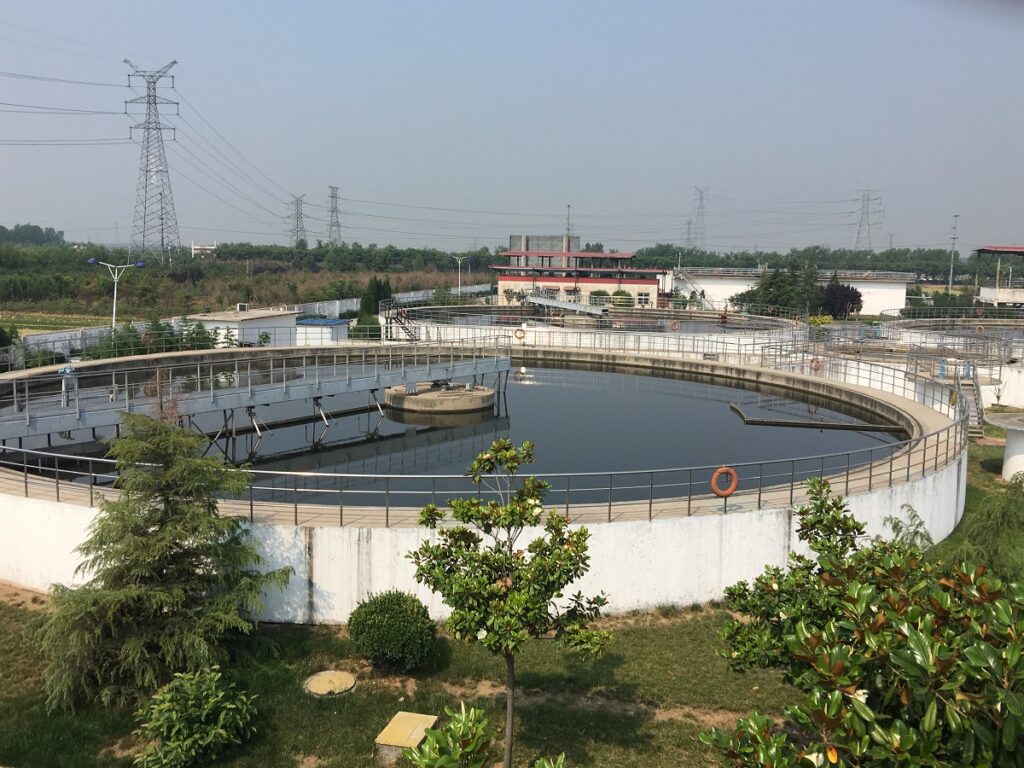
The hydrolysis acidification system decomposes large molecular organic matter in wastewater into small molecular organic matter under anaerobic or hypoxic conditions through the metabolic action of anaerobic microorganisms, improving the biodegradability of wastewater. The specific operation process and key points are as follows:
1、 Operating principle
The hydrolysis acidification system limits the anaerobic fermentation process to the hydrolysis and acid production stages by controlling the hydraulic retention time (HRT), avoiding complete degradation during the methane production stage. The core reactions include:
Hydrolysis stage:
Microorganisms secrete extracellular enzymes (such as proteases, lipases, cellulases) to break down insoluble organic matter (such as proteins, fats, polysaccharides) into soluble small molecules (such as amino acids, fatty acids, monosaccharides).
For example, cellulose is broken down into cellulose disaccharides and glucose, while proteins are broken down into short peptides and amino acids.
Acidification stage:
Acid producing bacteria further ferment the hydrolysis products and convert them into volatile fatty acids (VFA, such as acetic acid, propionic acid, butyric acid), alcohols, carbon dioxide, and hydrogen gas.
At this point, the pH value of the system slightly decreases (usually maintained at 5.5-6.5), but it will not enter the methane production stage.
2、 Running process
Inlet stage:
The sewage is evenly distributed into the hydrolysis acidification tank through a water distribution system (such as bottom perforated pipes, rotating water distributors) to ensure sufficient contact with the sludge. The water distribution system must meet the following principles:
The water inflow per unit area is basically the same to prevent short circuits;
Meet the demand for hydraulic mixing and promote the mixing of sludge and wastewater;
Easy to observe blockages and quickly clear them.
Reaction stage:
Environmental conditions:
Anaerobic environment: Dissolved oxygen (DO) is controlled below 0.2 mg/L and maintained through sealed or low disturbance design.
Temperature: Medium temperature (25-35 ℃) has higher efficiency, but it can also operate at room temperature (>15 ℃).
PH value: The optimal range is 5.5-6.5, and alkalinity (such as NaHCO3) needs to be added to buffer the pH drop and prevent system acidification collapse.
Microbial action:
Hydrolytic bacteria and acid producing bacteria work together to gradually decompose large organic molecules into small VFA molecules.
The sludge bed layer (MLSS concentration 10000-20000 mg/L) adsorbs and intercepts particulate matter, improving reaction efficiency.
Mud water separation and effluent stage:
The mixed liquid after the reaction flows slowly in the tank, and the sludge settles to the bottom of the tank due to gravity, forming a sludge layer. The supernatant flows out from the top or side outlet weir and enters the subsequent treatment unit (such as aerobic biological treatment).
Regularly discharge some aged sludge (control sludge age SRT at 10-20 days) to maintain sludge activity; Part of the treated water can be refluxed to the front end to adjust the pH value of the influent or dilute high concentration wastewater.
3、 Key control parameters
Hydraulic retention time (HRT):
Generally controlled within 4-12 hours, it needs to be adjusted according to the type, concentration, and temperature of organic matter in the sewage. Too short a time can lead to incomplete hydrolysis, while too long may cause excessive acidification of sludge or the production of small amounts of methane.
Sludge concentration (MLSS):
High concentration sludge (10000-20000 mg/L) is the key to system functionality and requires the use of a sludge recirculation device to maintain biomass stability.
Upward flow velocity:
Generally controlled at 0.8-1.8 m/h to ensure that the sludge does not settle or flow away.
Redox potential (ORP):
It is necessary to maintain a range of -100 to -300 mV and regulate the NADH/NAD ⁺ ratio through hydrogenase to avoid metabolic inhibition caused by excessive reduction.
4、 Operational effectiveness and advantages
Improve the biodegradability of wastewater:
Transforming difficult to degrade macromolecular organic compounds into easily degradable small molecule VFA significantly increases the BOD/COD ratio, creating favorable conditions for subsequent aerobic treatment.
Remove some organic matter:
Through microbial metabolism, 10% -30% of COD in wastewater can be removed, reducing the pressure of subsequent treatment.
Pre treated suspended solids:
Hydrolysis causes suspended solids and colloidal substances in wastewater to coagulate and precipitate, reducing effluent turbidity and minimizing the risk of blockage in subsequent treatment units.
Buffer water quality fluctuations:
It has a certain buffering capacity for the impact load of incoming water quality and quantity, and stabilizes the operating conditions of the subsequent treatment system.