
Il existe de nombreuses méthodes pour traiter les eaux usées. Différentes méthodes sont nécessaires en fonction de la source. En particulier :
1. Eaux usées de dégraissage : Les méthodes de traitement des eaux usées de dégraissage comprennent l'extraction acide, la centrifugation ou l'extraction par solvant. L'extraction acide est largement utilisée. H₂SO₄ est ajouté pour ajuster le pH à 3-4 et briser l'émulsion. On introduit de la vapeur, on ajoute du sel et on agite le mélange. On le laisse ensuite reposer à 45-60°C pendant 2-4 heures, ce qui permet à la graisse de monter progressivement et de former une couche de graisse. La récupération des graisses peut atteindre 96%, et l'élimination de la DCOr est supérieure à 92%.
2. Eaux usées provenant du laminage de la chaux et de l'épilation : Les méthodes de traitement des eaux usées issues du laminage à la chaux et de l'épilation comprennent l'acidification, la précipitation chimique et l'oxydation. L'acidification est couramment utilisée dans la production. Sous pression négative, H₂SO₄ est ajouté pour ajuster le pH à 4-4,5, générant du gaz H₂S, qui est absorbé par une solution de NaOH pour produire du sulfure de sodium réutilisable. Les protéines solubles précipitées dans les eaux usées sont filtrées, lavées et séchées pour devenir le produit final. Le taux d'élimination du sulfure peut atteindre plus de 90%, avec une réduction de la DCOcr et des MES de 85% et 95%, respectivement. Il est peu coûteux, simple à utiliser, facile à contrôler et raccourcit le cycle de production.
Les eaux usées contenant du soufre peuvent être traitées à l'aide de méthodes telles que la sédimentation des sels de fer, la coagulation chimique et l'oxydation catalytique, l'oxydation catalytique étant la méthode de prétraitement la plus courante.
3. Eaux usées du tannage au chrome
Les méthodes de traitement des eaux usées du tannage au chrome comprennent la précipitation alcaline et le recyclage direct. La plupart des tanneries utilisent la précipitation alcaline, en ajoutant de la chaux, de l'oxyde de sodium et de l'oxyde de magnésium à la solution de chrome usagée. Après réaction et déshydratation, on obtient une boue contenant du chrome, qui peut être dissoute avec de l'acide sulfurique et réutilisée dans le processus de tannage.
Les eaux usées contenant du chrome doivent être collectées séparément, précipitées avec de l'alcali, puis séparées en boues et en eau. Le surnageant, conforme aux normes GB30486-2013, est déversé dans un réservoir d'égalisation des eaux usées. Les boues du réservoir de sédimentation sont déversées dans un réservoir d'épaississement des boues contenant du chrome, séchées par un filtre-presse, puis éliminées par une unité de traitement des déchets dangereux qualifiée.
4. Eaux usées intégrées
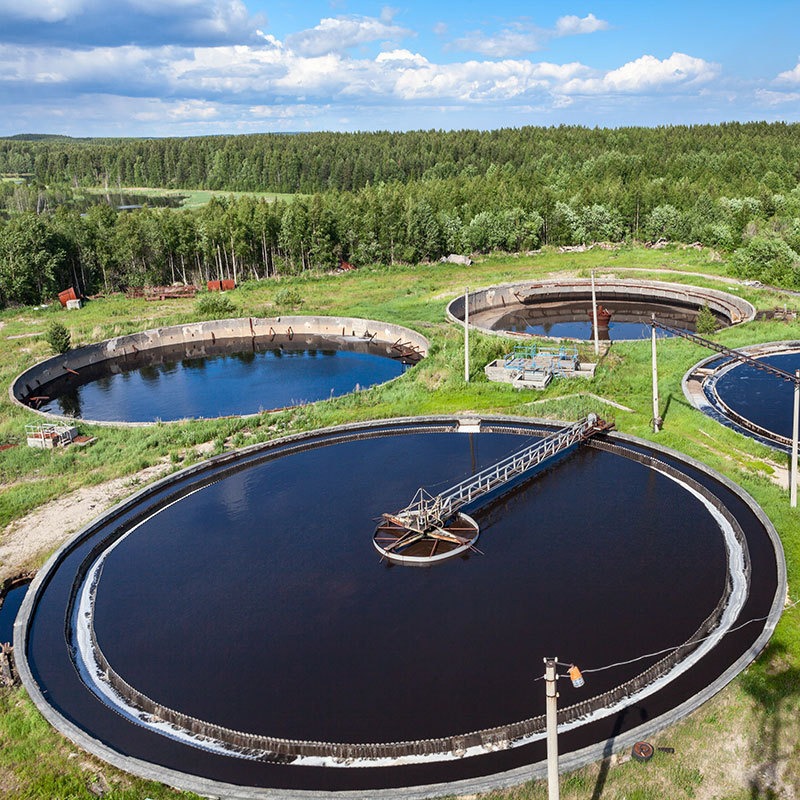
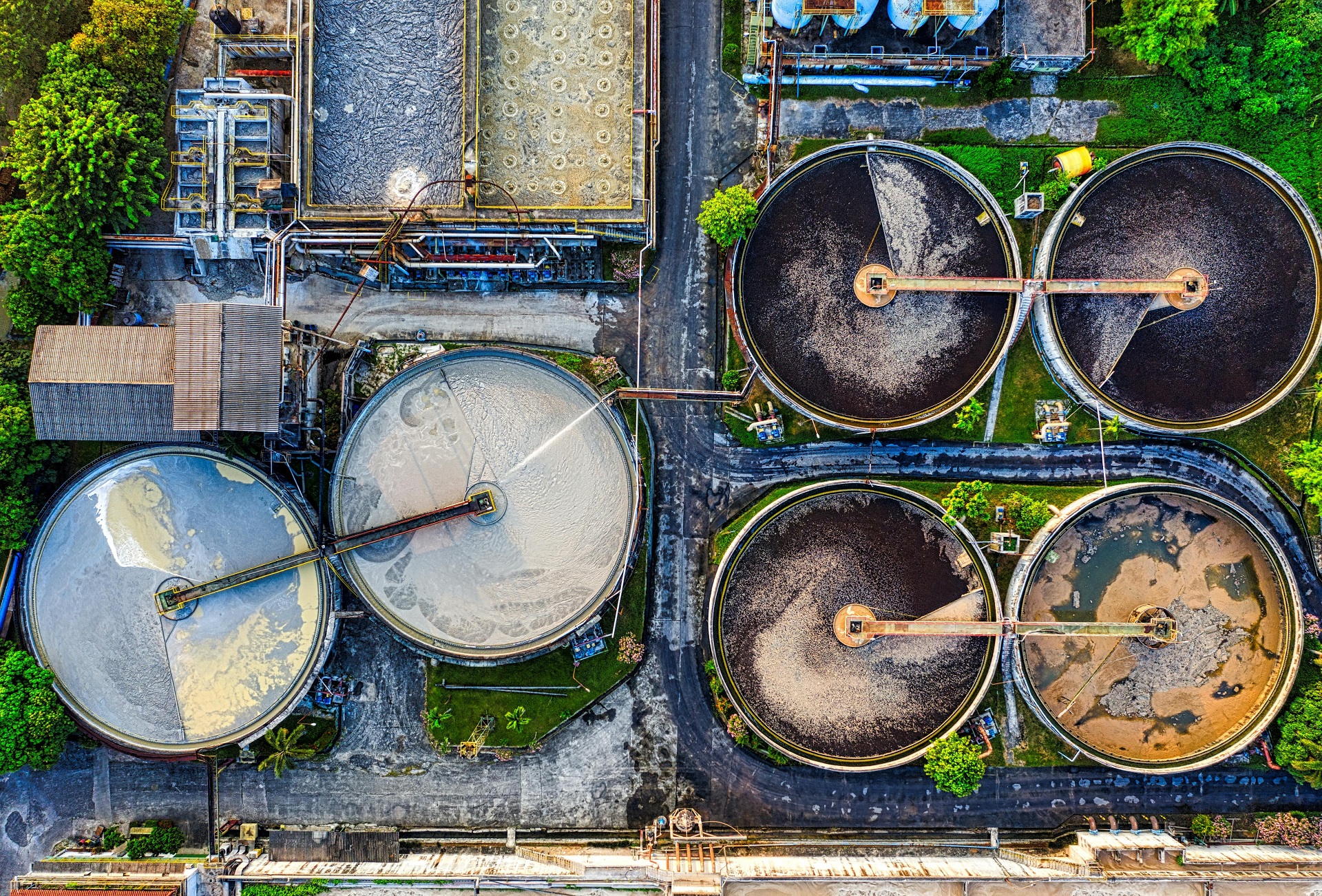
Système de prétraitement : Il s'agit principalement d'installations de traitement telles que les dégrilleurs, les bassins d'égalisation, les bassins de sédimentation et les bassins de flottation à air dissous. Les eaux usées des tanneries présentent des concentrations élevées de matières organiques et de solides en suspension. Le système de prétraitement est utilisé pour réguler le volume et la qualité de l'eau : il élimine les solides en suspension (SS) et réduit la charge polluante, créant ainsi des conditions favorables à un traitement biologique ultérieur.
Les eaux usées des tanneries ont une bonne biodégradabilité, c'est pourquoi le traitement biologique est le processus préféré. Cependant, avant cela, les eaux usées contenant du chrome, les eaux usées de dégraissage et les eaux usées contenant du soufre doivent être collectées séparément et prétraitées.