Les eaux usées de la teinture et de l'impression ne peuvent être traitées que par une combinaison de procédés. Tout en développant ces procédés, il est également crucial de parvenir au recyclage et à la réutilisation, en s'efforçant de ne pas rejeter d'eaux usées.
(1) Conditionnement : Pour les eaux usées dont la qualité et la quantité varient considérablement, le réservoir de conditionnement doit avoir un temps de rétention plus long. En règle générale, lorsque les unités de traitement ultérieures impliquent une acidification par hydrolyse ou un traitement anaérobie, l'aération ne doit pas être utilisée pour le mélange pendant le conditionnement.
(2) Coagulation : Lorsque les eaux usées contiennent une grande quantité de colorants hydrophobes, le processus de coagulation doit être placé avant le traitement biologique afin d'éliminer les substances colorantes insolubles et de réduire la charge du traitement biologique ultérieur.
(3) Neutralisation : Lorsque le pH de l'eau brute est élevé, on utilise généralement du H2SO4 ou du HCl pour la neutralisation. Pour économiser les réactifs, cette opération peut être effectuée après le processus de conditionnement.
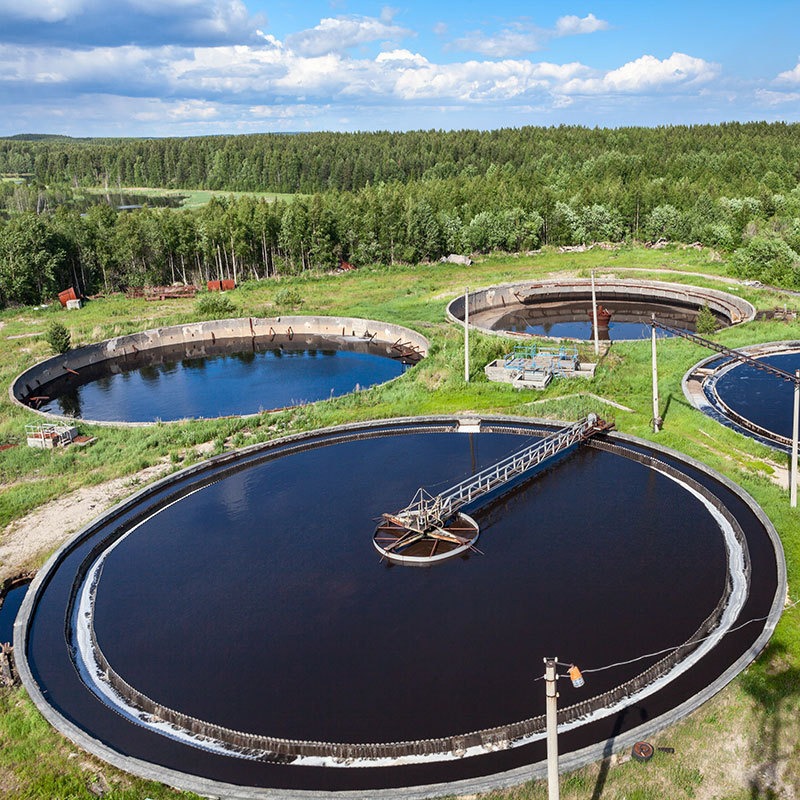
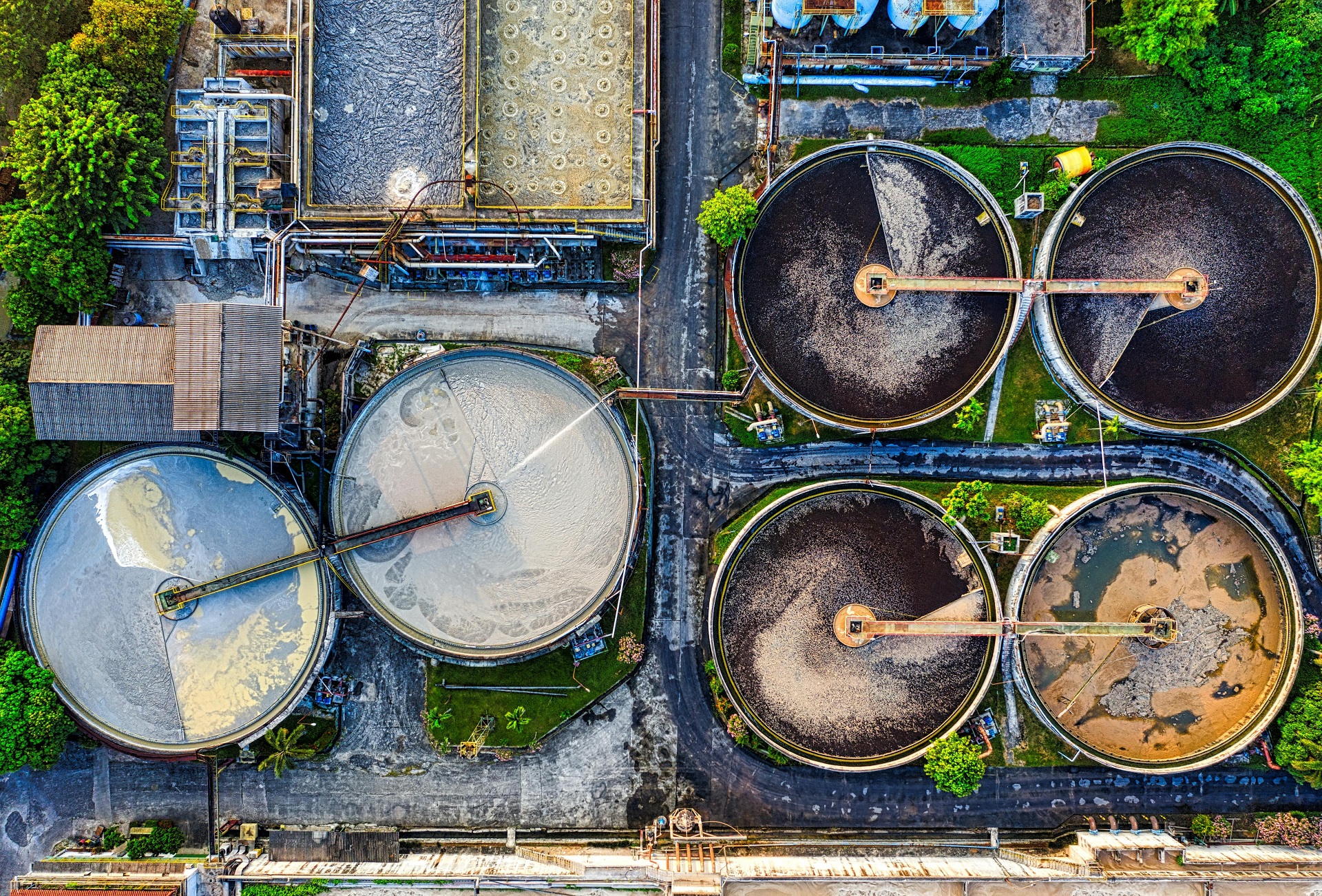
(4) Sédimentation (flottation à l'air) : En raison de la grande quantité de boues, la sédimentation doit être privilégiée pour la séparation des réactions physico-chimiques (la sédimentation par tube incliné est sujette au colmatage et n'est pas recommandée). En général, les bassins de sédimentation à écoulement radial conviennent aux grands volumes d'eau, tandis que les bassins de sédimentation à écoulement vertical conviennent aux petits volumes. Lorsque le terrain est disponible, les bassins de sédimentation à écoulement horizontal peuvent également être utilisés lorsque les boues sont aspirées. Les dosages importants entraînent de grands volumes de boues et les bassins à écoulement radial peuvent provoquer des courants de densité. De nouveaux bassins de sédimentation à entrée et sortie périphériques permettent de remédier à cet inconvénient.
(5) Filtration : Lorsque les effluents doivent être clarifiés ou réutilisés, il convient de recourir à la filtration sur sable ou à la filtration sur sable de charbon à deux couches.
(6) Électrolyse : L'électrolyse de l'électrode inerte au ruthénium plaquée de titane est efficace pour décolorer les eaux usées des teintures acides et de l'imprimerie. Elle présente également des taux d'élimination élevés pour les colorants sulfurés, les colorants de cuve, les colorants acides et les colorants réactifs lors de l'élimination de la DCO. L'électrolyse à anode métallique est moins couramment utilisée en raison de la grande quantité de boues.
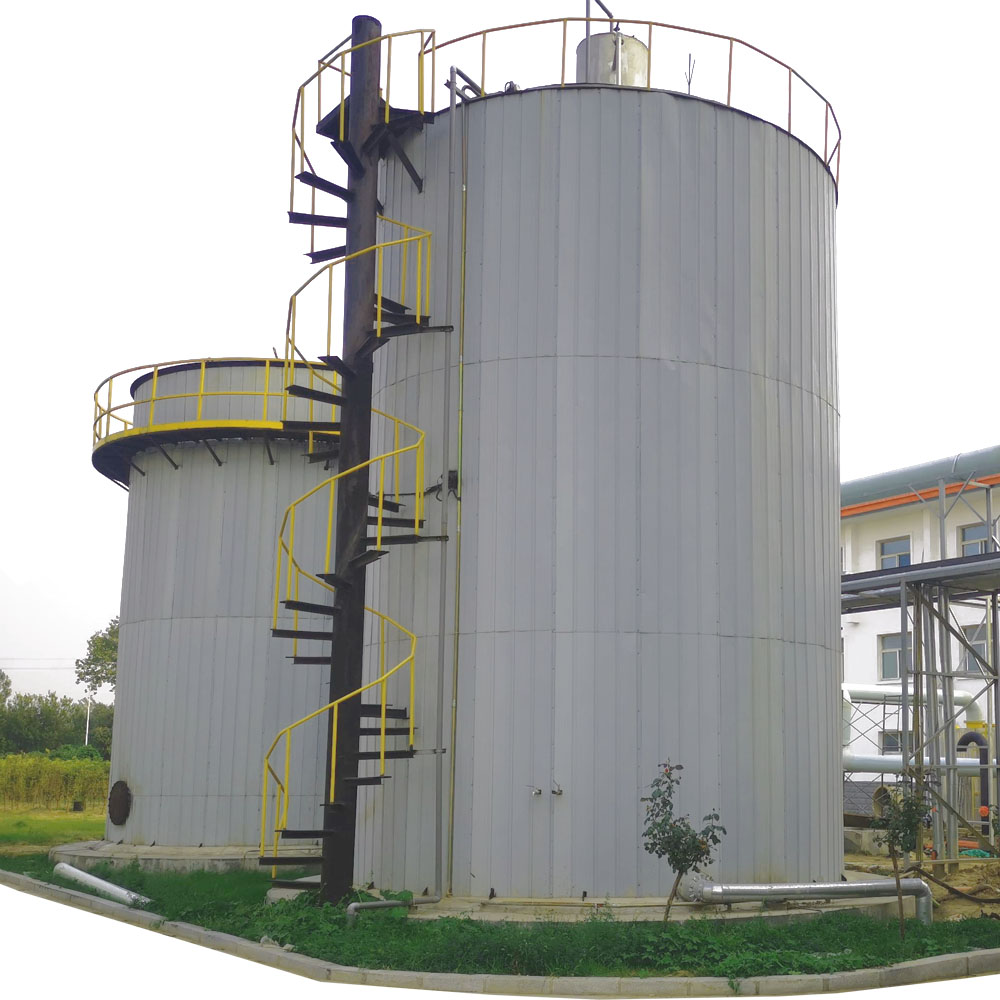
(7) Hydrolyse anaérobie : Les eaux usées de la teinture et de l'impression ont une teneur élevée en matière organique et en DCO, et un faible rapport B/C. L'acidification de l'hydrolyse doit être envisagée et le matériau d'emballage doit être augmenté. Un mélangeur hydraulique doit être installé au fond de la cuve recouverte d'un biofilm pour assurer un contact important entre les boues activées en suspension et les matières organiques présentes dans l'eau. Pour les grands bassins, un système en série doit être utilisé pour éviter les courts-circuits.
(8) Biodégradation aérobie : Pour les eaux usées de teinture et d'impression à volume élevé et à forte concentration, les procédés à boues activées tels que les fossés d'oxydation, les procédés à boues activées intermittentes (SBR) et les procédés à boues activées circulantes (CSTR) sont préférables. Pour les eaux usées de faible volume et de faible concentration, l'oxydation biologique par contact peut être envisagée, mais le matériau d'emballage doit garantir la densité et le rapport de volume, et une méthode en série à plusieurs étapes est préférable.
(9) Décoloration : Lors de l'utilisation de Cl2, le temps d'oxydation de décoloration doit être d'au moins 1 heure. La décoloration au Cl2 a également pour fonction d'ajuster la valeur du pH. Pour les applications à petite échelle, on peut utiliser du ClO2, de la poudre de blanchiment NaClO [Ca(ClO)2], de la lumière ultraviolette, etc. Le réservoir de réaction de décoloration peut utiliser une chicane rotative ou une plaque pliante ; l'agitation mécanique ou la réaction à l'air comprimé ne sont pas recommandées.
(10) Adsorption sur charbon actif : Le charbon actif présente de bonnes performances d'adsorption pour les eaux usées contenant des colorants solubles dans l'eau tels que les colorants cationiques, les colorants directs, les colorants acides et les colorants réactifs (mais il est moins efficace pour les eaux usées contenant des colorants insolubles tels que les colorants au soufre et les colorants de cuve). La méthode du charbon actif biologique (BAC) est une technologie biologique d'adsorption sur charbon actif. Elle utilise les exoenzymes sécrétées par les micro-organismes ajoutés pour pénétrer la structure microporeuse du charbon, ce qui entraîne la décomposition continue de la matière organique adsorbée en CO2, H2O, ou la synthèse de nouvelles cellules, qui finissent par s'échapper de la structure du charbon et sont éliminées.
(11) Adsorption de la terre de diatomées : La terre de diatomée a des effets de coagulation et d'adsorption dans les eaux usées de teinture et d'impression, ce qui permet une bonne décoloration. En général, la terre de diatomée activée a des effets de décoloration variables sur les colorants hydrophiles, mais elle est plus efficace sur les colorants hydrophobes. Lorsqu'il y a beaucoup de surfactants et d'agents de nivellement dans les eaux usées, l'effet diminue de manière significative.
(12) Oxydation : L'oxydation par l'ozone est rapide et efficace pour les colorants hydrophiles tels que les colorants directs, les colorants acides, les colorants basiques et les colorants réactifs ; elle est cependant moins efficace pour les colorants hydrophobes tels que les colorants de cuve, les colorants au naftate, les colorants oxydés, les colorants au sulfure et les colorants dispersés, ce qui nécessite une plus grande quantité d'ozone. La décoloration à l'ozone ne produit pas de substances cancérigènes, tératogènes ou mutagènes, ce qui garantit la sécurité des effluents d'eaux usées.
(13) Technologie de séparation par membrane ① Ultrafiltration : Grâce aux pores fins et précis des membranes d'ultrafiltration, les grosses molécules et autres particules présentes dans l'eau peuvent être retenues. Elle fonctionne à basse pression et nécessite un équipement simple, ce qui la rend adaptée à la récupération des colorants ou au traitement en profondeur des effluents. ② Nanofiltration : Il s'agit d'une nouvelle technologie qui utilise des membranes de nanofiltration pour retenir les polluants. La pression de séparation est généralement de 0,5 à 2,0 MPa. Elle permet de traiter les eaux usées contenant des colorants solubles dans l'eau (hydrophiles) et de récupérer les colorants utiles. Les membranes de nanofiltration sont utilisées pour récupérer les eaux usées des colorants Direct Black, Reactive Brilliant Red, Acid Orange II et Acid Red.