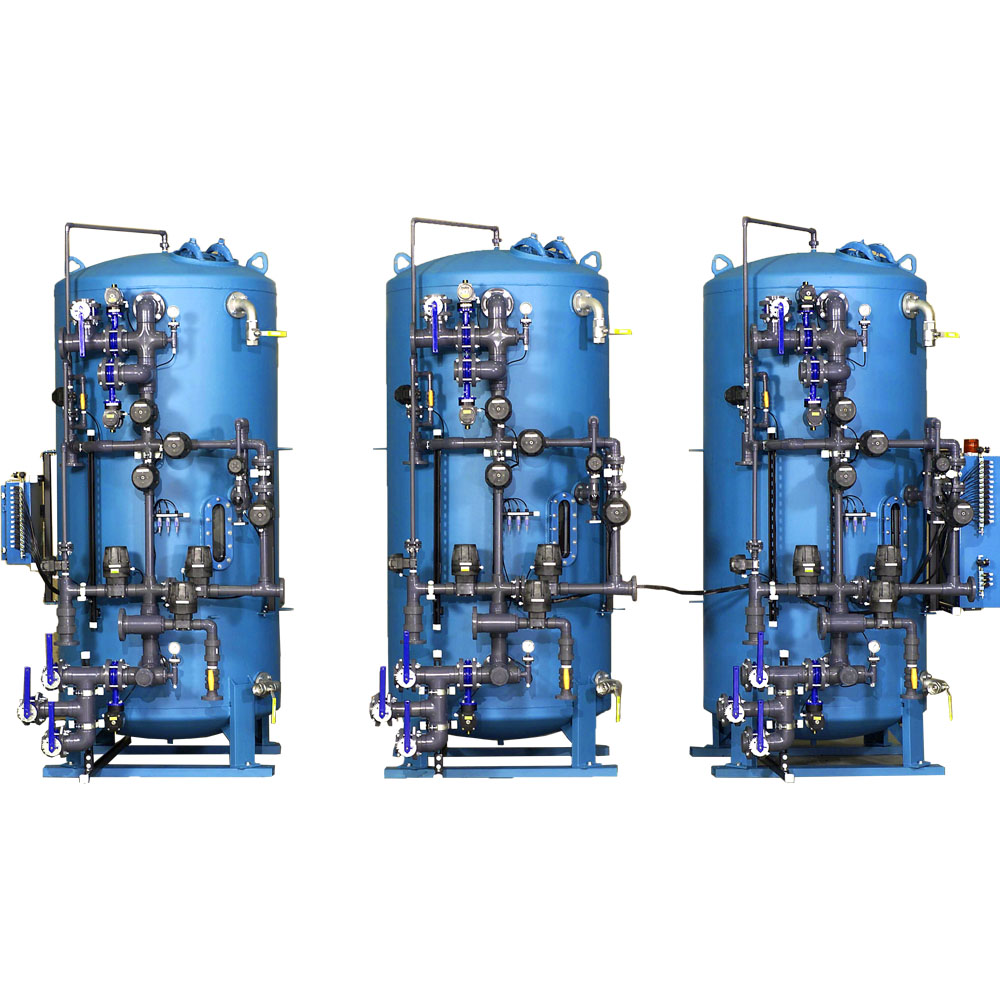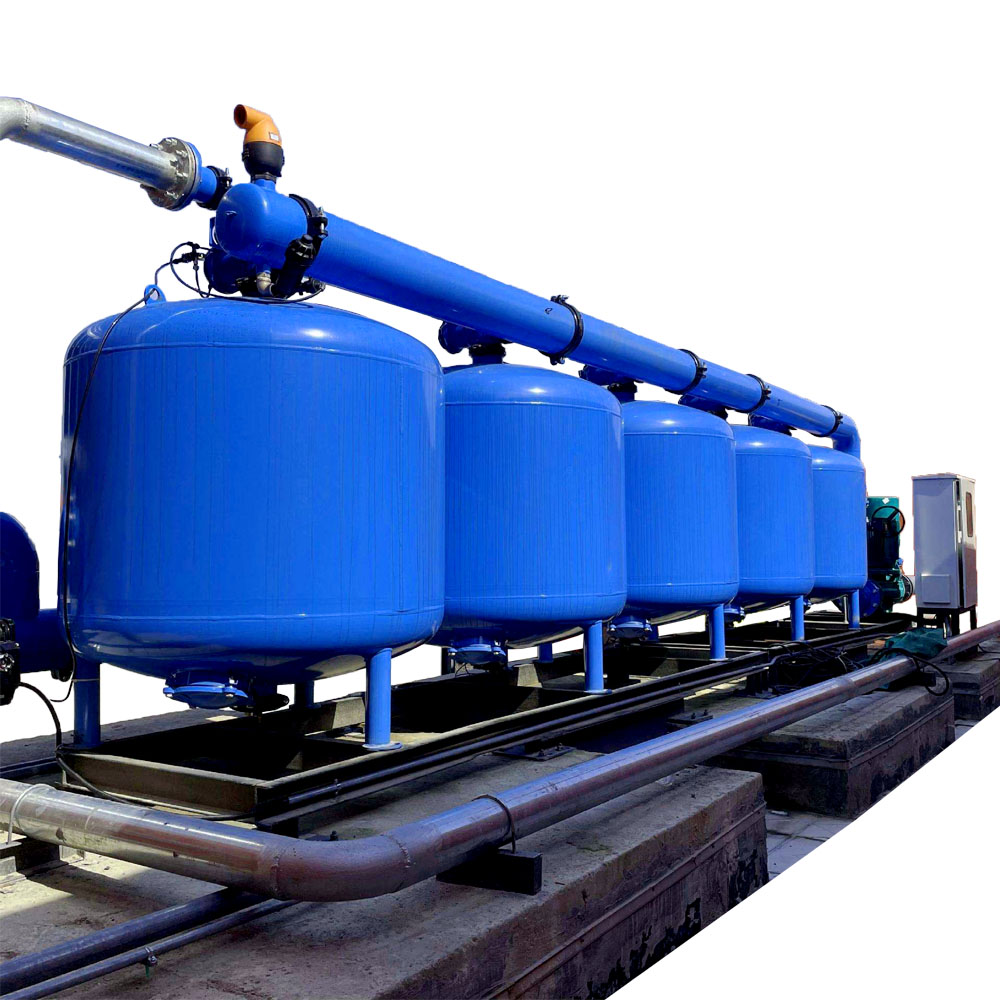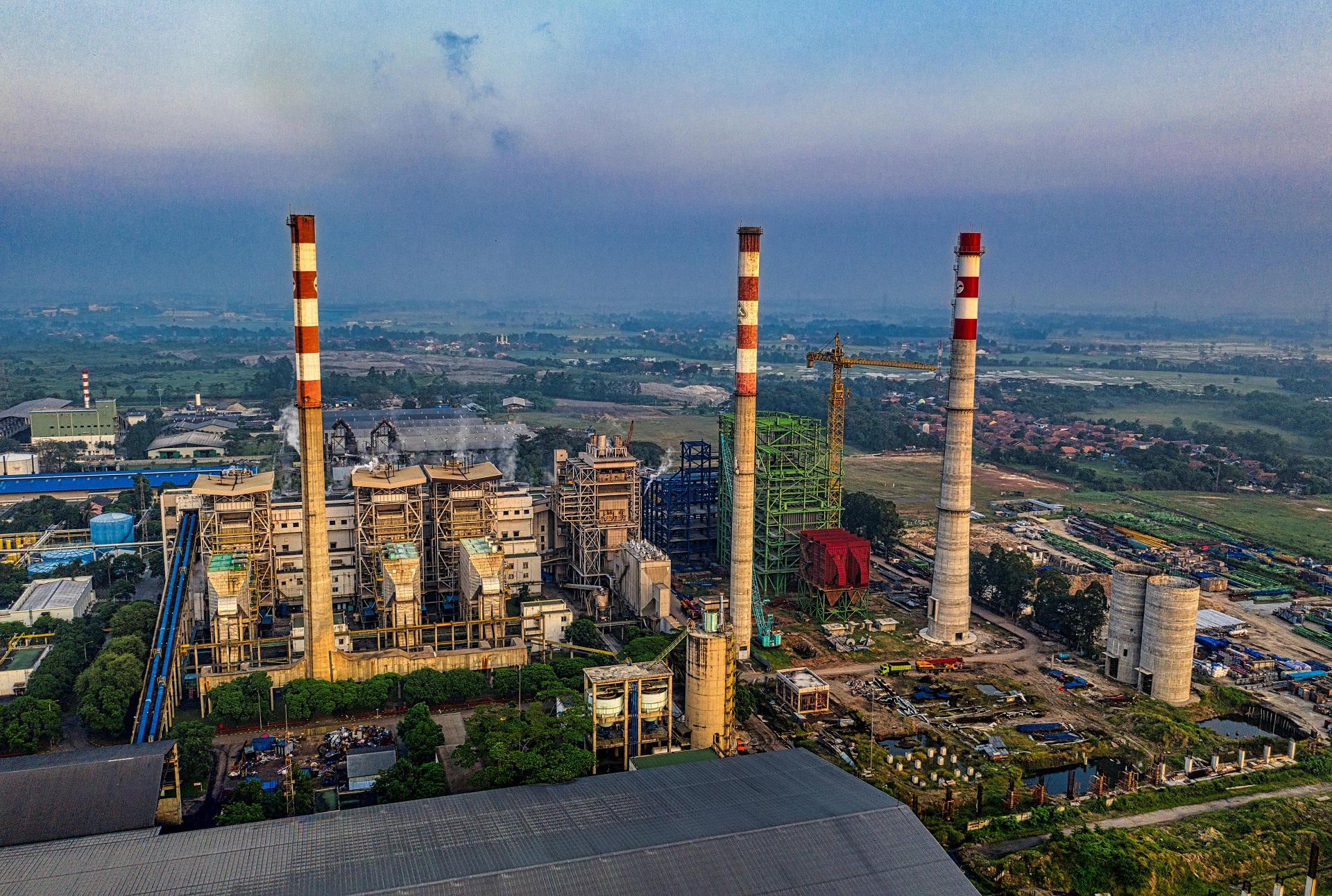
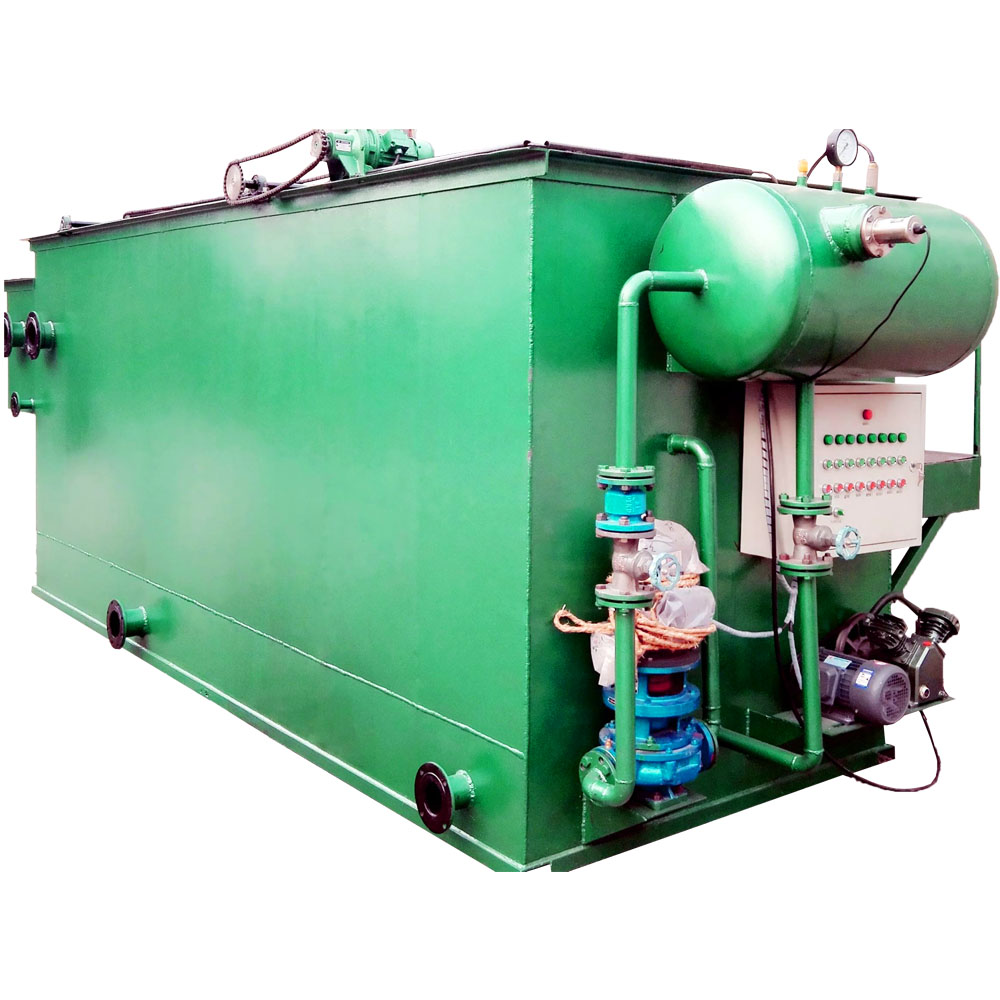
Currently, the most commonly used processes for treating dairy wastewater include biological contact oxidation, stand-alone aerobic treatment, anaerobic + aerobic treatment, and the SBR process and its improved versions.
1. Biological Contact Oxidation: This method involves loading packing material into a bioreactor. Microorganisms adhere to the packing material, forming a biofilm on its surface, purifying the wastewater through contact with the biofilm. Due to the high COD of influent dairy wastewater, a two-stage contact oxidation process is generally used. However, this method requires a large amount of packing material for larger wastewater treatment plants, which is inconvenient for transportation and loading, resulting in large sludge discharge.
2. SBR Process and Improved Versions: The SBR (Sequencing Batch Reactor) process is widely used. The CASS process is an improvement on the SBR method, namely the circulating activated sludge process. Its operation consists of three stages: influent—aeration—recirculation stage.
3. Aerobic Treatment Methods: These include activated sludge processes, biological filters, and contact oxidation.
4. Anaerobic-Aerobic Treatment Method: Based on the concentration and treatment characteristics of pollutants in different wastewaters, an appropriate combination of anaerobic and aerobic processes is adopted. In the anaerobic hydrolysis and acid production stage, recalcitrant organic matter can be decomposed into easily degradable water-molecule organic matter. The high volumetric loading and low energy consumption of the anaerobic reactor significantly reduce the organic load. Then, the advantages of the aerobic bioreactor in treating concentrated organic wastewater are utilized to ensure that the treated water meets discharge standards.