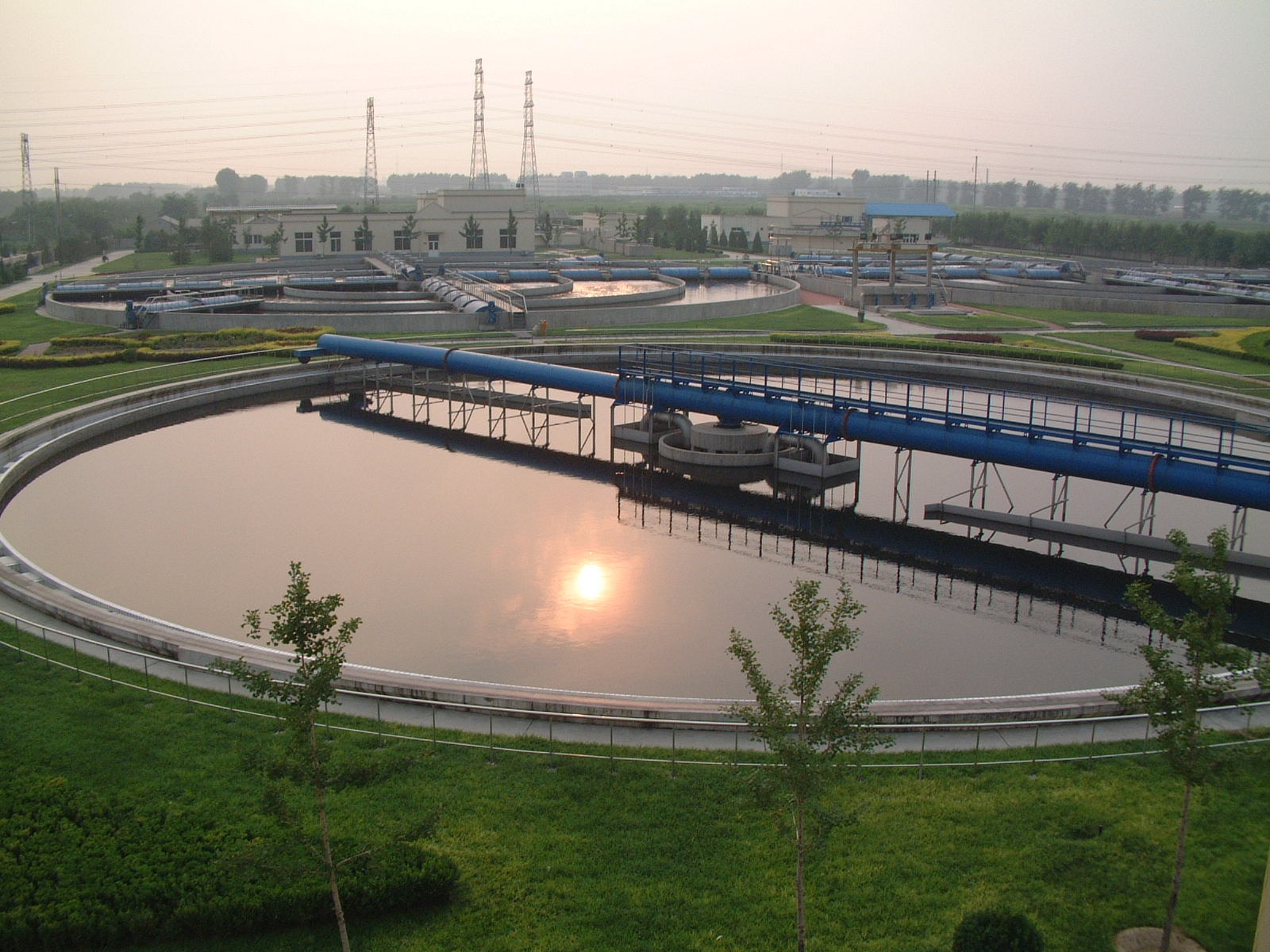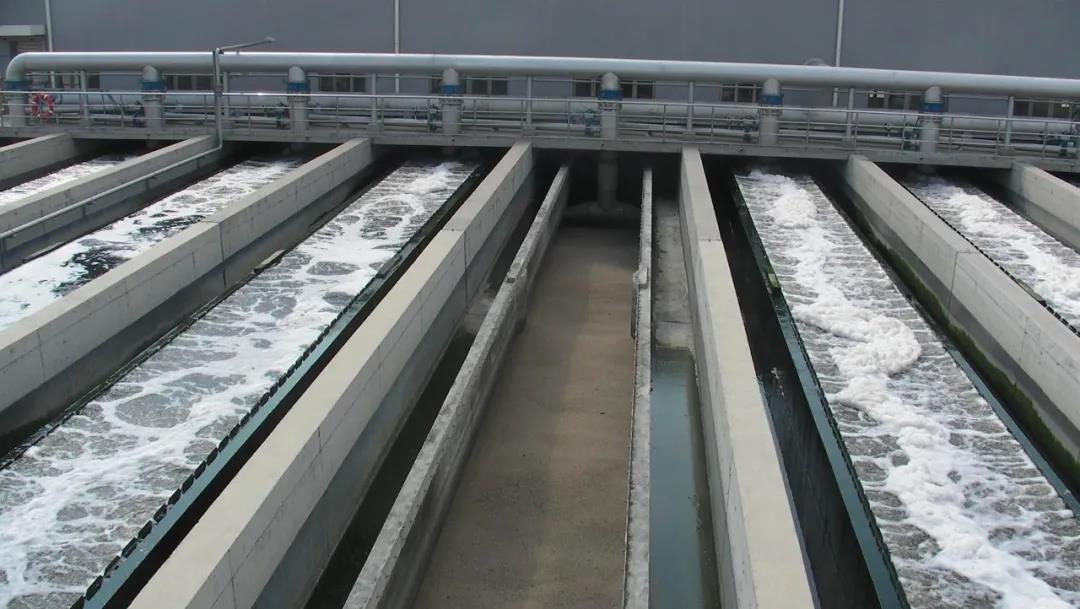

1. A screen is installed at the inlet of the wastewater treatment system to remove large floating objects, branches, weeds, wood chips, plastic waste, and domestic garbage, protecting the safe operation of pumps and reducing the load on subsequent processes.
2. Wastewater flows by gravity into a collection tank after passing through the screen. A lift pump is installed in the collection tank to periodically raise the wastewater to subsequent treatment stages.
3. An emergency tank is also set up. When the ammonia content in the water exceeds the normal allowable range and may harm subsequent biological treatment, the wastewater is first sent to the emergency tank for storage. After the ammonia content returns to normal, a small amount of wastewater from the emergency tank is mixed with the wastewater discharged under normal operating conditions for slow treatment to ensure the normal operation of the anaerobic and aerobic processes.
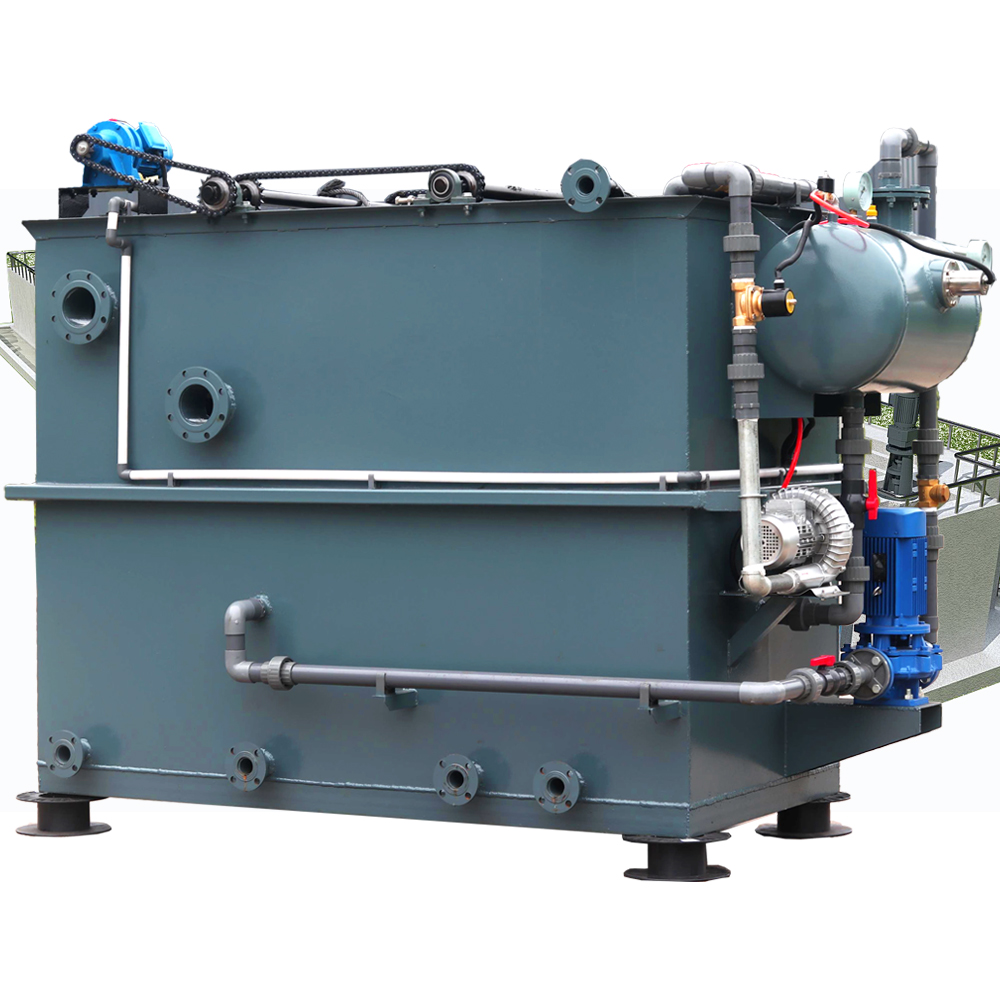
4. Wastewater from the collection tank is raised to an oil separator for treatment. Light oil floats to the surface and is discharged into an oil collection tank, while heavy oil is discharged into an external oil collection tank by static pressure. 5. The effluent from the oil-water separator flows by gravity into the dissolved air flotation (DAF) unit. After chemical flocculation, the light oil is effectively removed in the DAF unit, along with a portion of COD and BOD, ensuring the proper functioning of subsequent biological treatment.
6. The effluent from the DAF unit flows by gravity into the equalization tank. The equalization tank is designed with a sufficiently long retention time to ensure a large effective volume, and is equipped with an air agitator to homogenize the wastewater and facilitate stable biological treatment.
7. The wastewater from the equalization tank is then pumped to the A2/O2 stage for biological reaction, degrading organic matter and ammonia. This stage can be divided into anaerobic (A2 stage), anoxic (O2 stage), aerobic (O2 stage), and contact oxidation (O2 stage). The effluent from the contact oxidation tank has a high suspended solids (SS), which, after chemical flocculation and sedimentation, meets discharge standards.