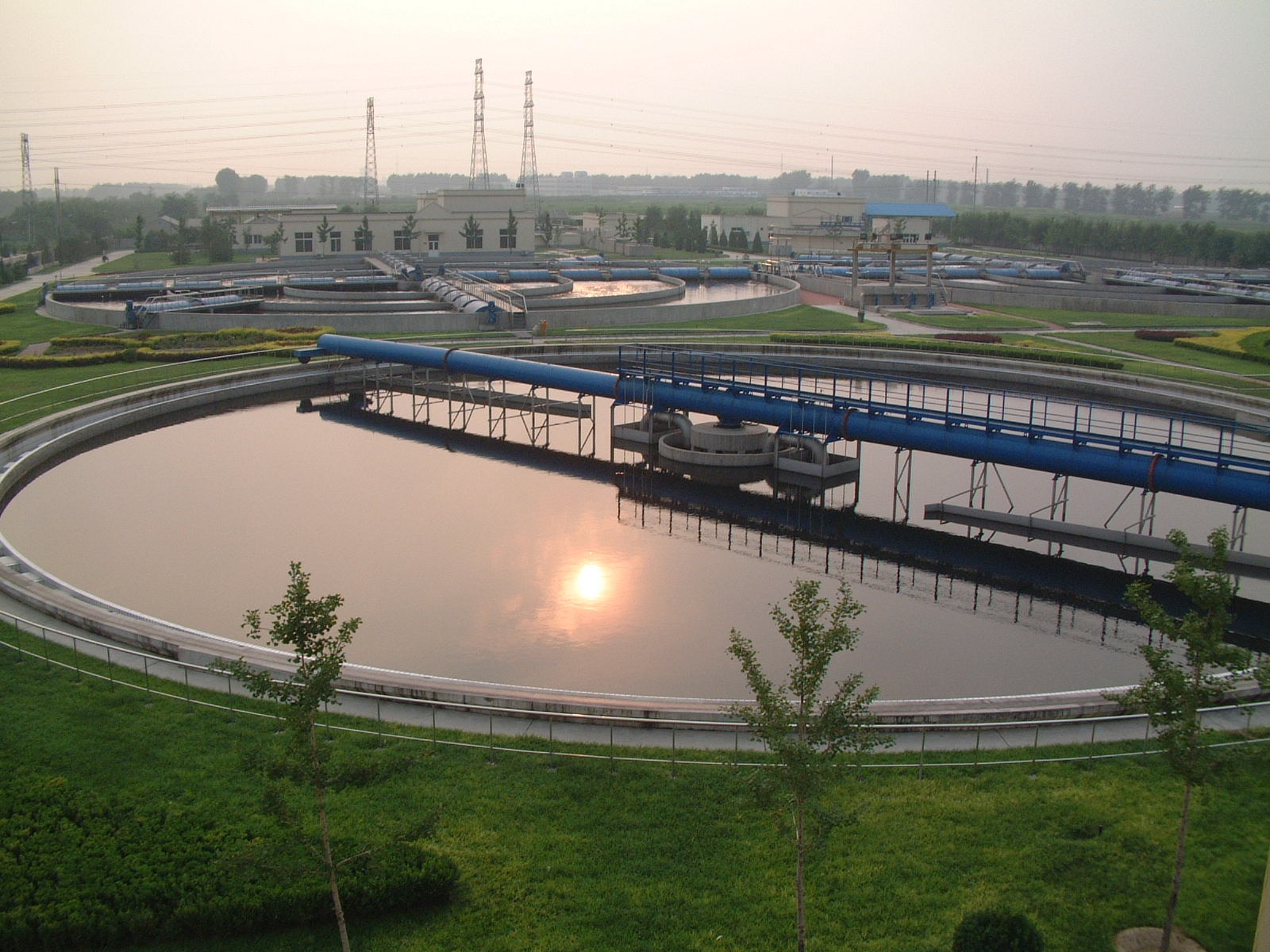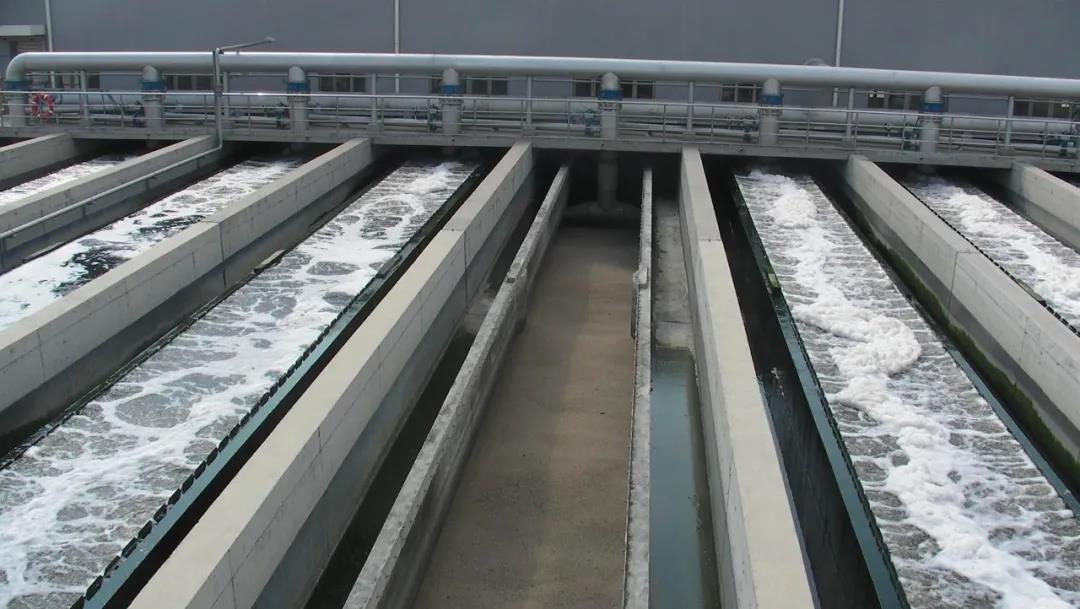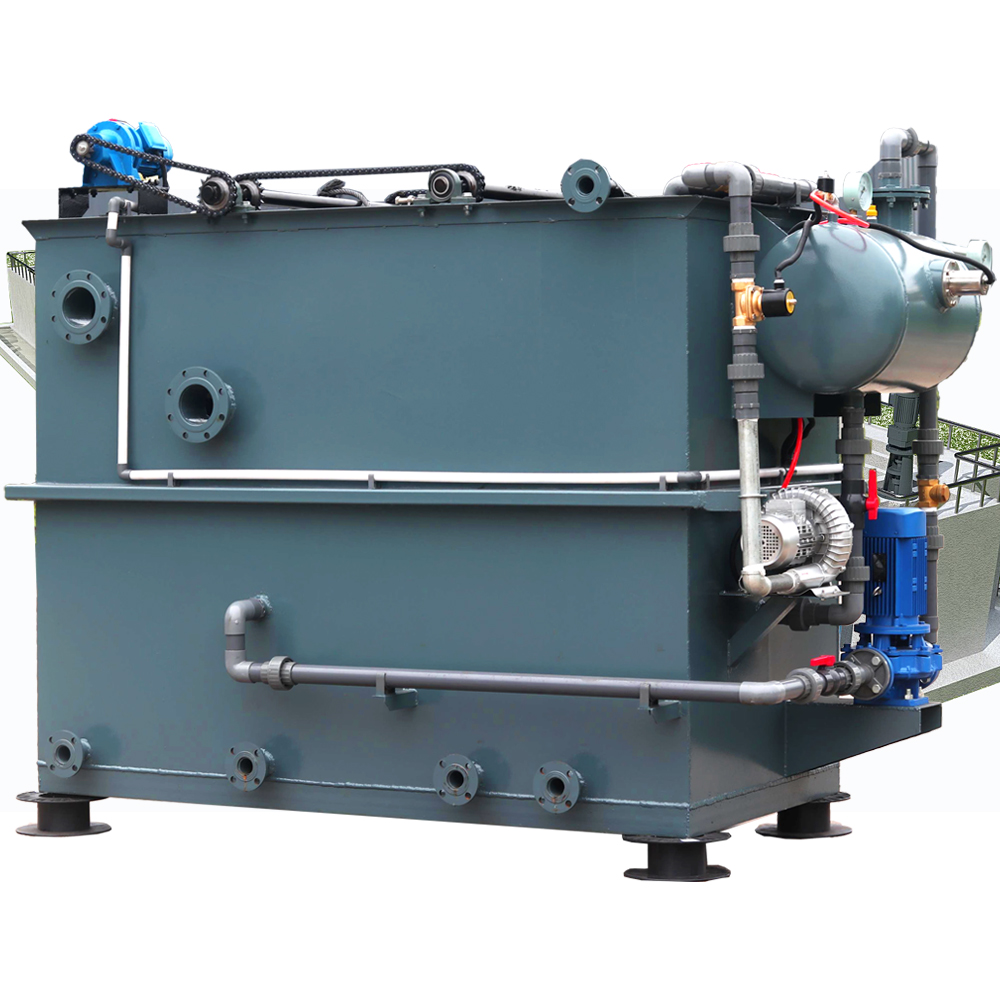
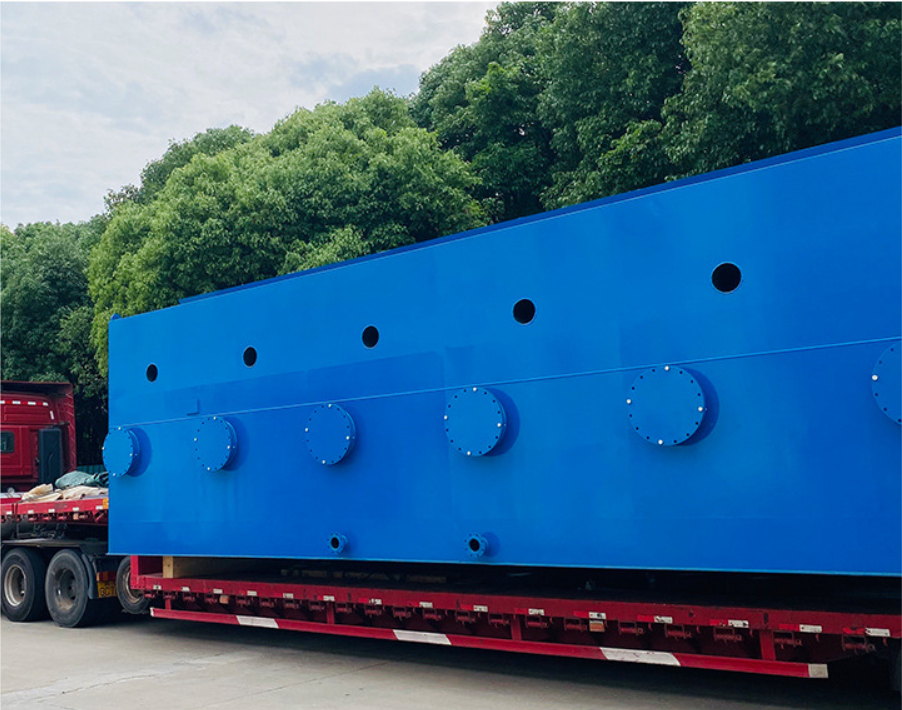
The hydrolysis acidification system has the characteristics of efficient organic matter removal, improved sewage biodegradability, adaptability to water quality fluctuations, reduced sludge production, reduced infrastructure and operating costs, strong shock load resistance, mild reaction conditions, and simplified treatment processes, as follows:
Efficient organic matter removal: The hydrolysis acidification system has a high removal efficiency for organic matter and can significantly reduce the concentrations of COD (chemical oxygen demand), BOD (biochemical oxygen demand), and SS (suspended solids) in wastewater. Specifically, its COD, BOD, and SS removal rates can reach 25-30%, 15-25%, and 65-70%, respectively, effectively reducing the load on subsequent treatment structures.
Improving the biodegradability of wastewater: Through hydrolysis and acidification processes, the system can convert large molecules and difficult to biodegrade substances in wastewater into small molecules that are easy to biodegrade, such as organic acids. This transformation significantly improves the biodegradability of wastewater, creating favorable conditions for subsequent aerobic biological treatment.
Adapting to water quality fluctuations: The hydrolysis acidification system has strong adaptability to fluctuations in inlet water quality and quantity, and can maintain stable operating performance under significant changes in water quality. This feature makes the system more flexible and reliable in practical applications.
Reduce sludge production: Compared with conventional aerobic treatment processes, the hydrolysis acidification system produces less sludge and has stable sludge properties, making it easy to treat and dispose of. This advantage not only reduces the difficulty and cost of sludge treatment, but also helps to achieve the unification of sewage and sludge treatment.
Reduce infrastructure and operating costs: The infrastructure cost of the hydrolysis acidification system is relatively low and does not require extensive maintenance of underwater equipment. Meanwhile, due to the system’s ability to complete the purification process of some organic pollutants in a shorter period of time and with lower energy consumption, the overall operating cost is also lower.
Strong anti impact load capacity: The hydrolysis acidification tank has good anti impact load capacity and can maintain stable operation under large fluctuations in inflow load. This feature makes the system more reliable and durable in practical applications.
Mild reaction conditions: The hydrolysis acidification system does not require a strict anaerobic environment and can operate normally at room temperature. This feature makes the operating conditions of the system milder and reduces its dependence on environmental conditions.
Simplified processing flow: The hydrolysis acidification system integrates sedimentation, adsorption, and biodegradation, and can complete the treatment of sludge while treating sewage. This feature simplifies the processing flow of the system and improves processing efficiency.