
I. Types of Livestock and Poultry Wastewater
1. Based on the type of livestock and poultry raised, livestock and poultry wastewater can be classified into: chicken wastewater, duck (goose) wastewater, rabbit wastewater, pig wastewater, cattle wastewater, and sheep wastewater. The water quality varies for each type of wastewater, but the wastewater treatment technologies and processes remain largely the same.
2. Wastewater discharged from livestock farms includes: manure wastewater, industrial wastewater, domestic sewage, and rainwater (both heavily and lightly polluted). The types of wastewater generated by poultry farms are similar to those from livestock farms, except for manure wastewater.
II. Problems with Livestock and Poultry Wastewater
1. Pollution prevention and control in livestock and poultry farming lags far behind the development of the industry. The demonstration and promotion of management and treatment technologies are insufficient, making it a major factor of non-point source pollution in rural and suburban areas and a significant constraint on sustainable socio-economic development. Livestock and poultry farming waste mainly includes livestock and poultry manure, wastewater, carcasses of diseased or dead animals, and medical waste. Wastewater is particularly problematic due to its high toxicity, high energy consumption, and high pollution levels, leading to relatively complex treatment processes.
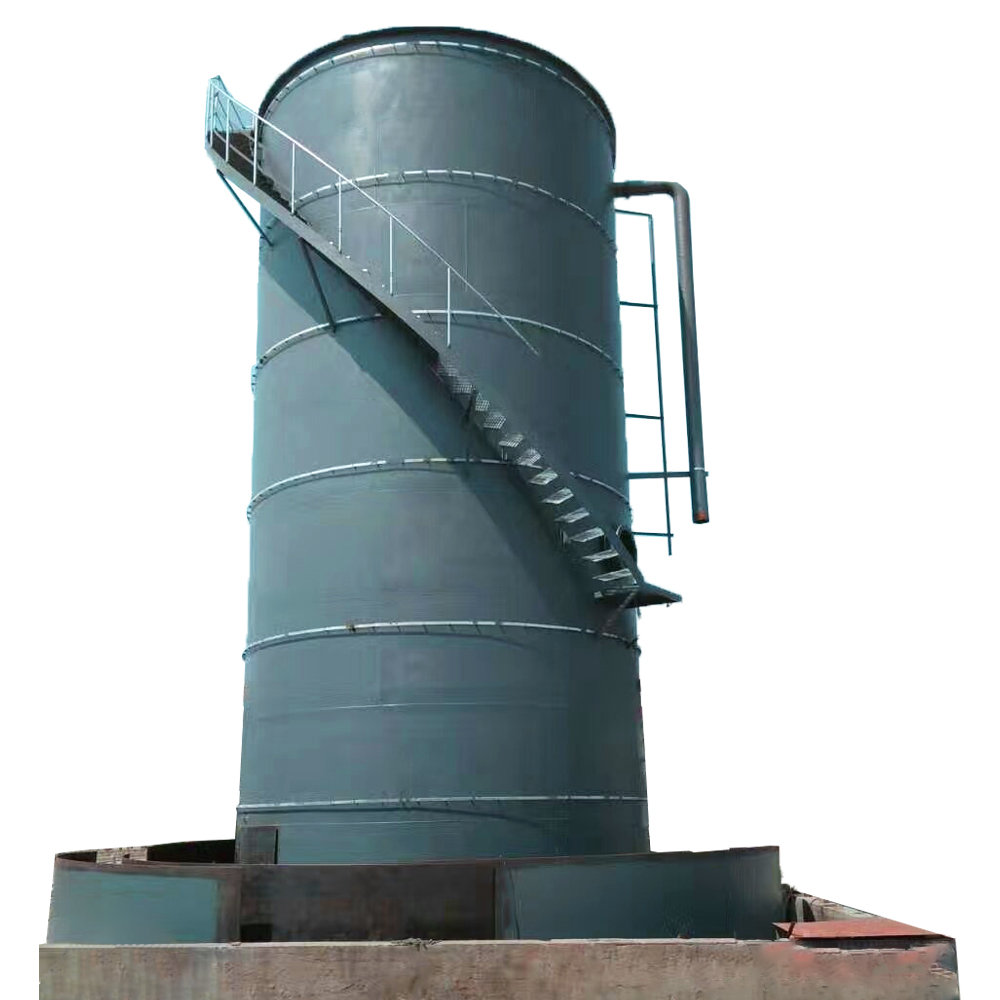
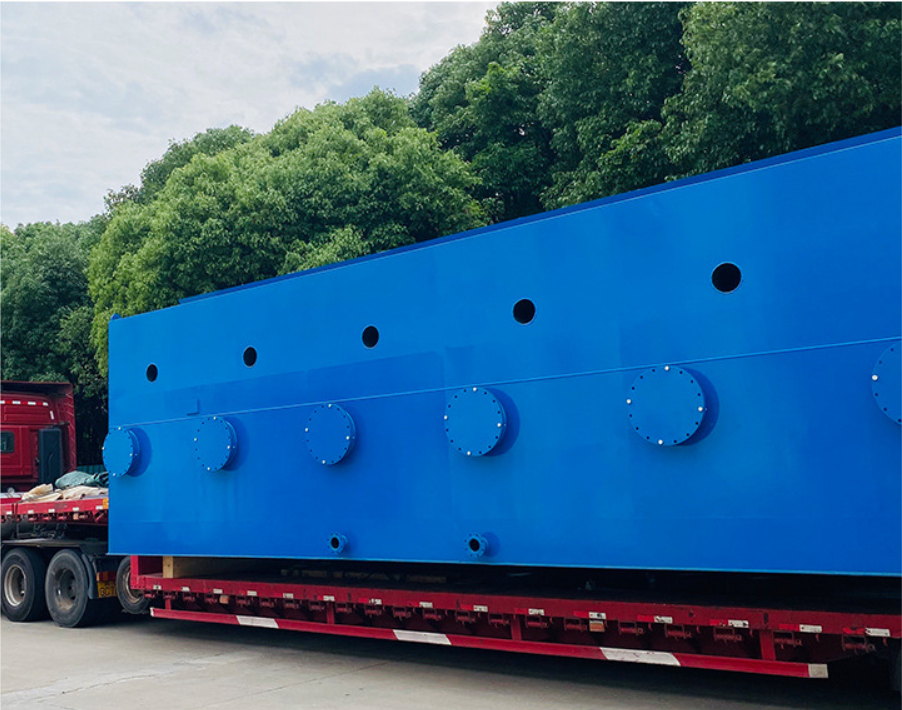
2. In the future, the livestock industry’s continued development will inevitably rely on wastewater treatment equipment. Only wastewater treated by such equipment can be discharged safely, preventing environmental pollution and disruption to people’s lives. Such equipment requires customized production and a deep understanding of the industry.