I. Traditional Salt Field Process
1. Sedimentation and Clarification Stage
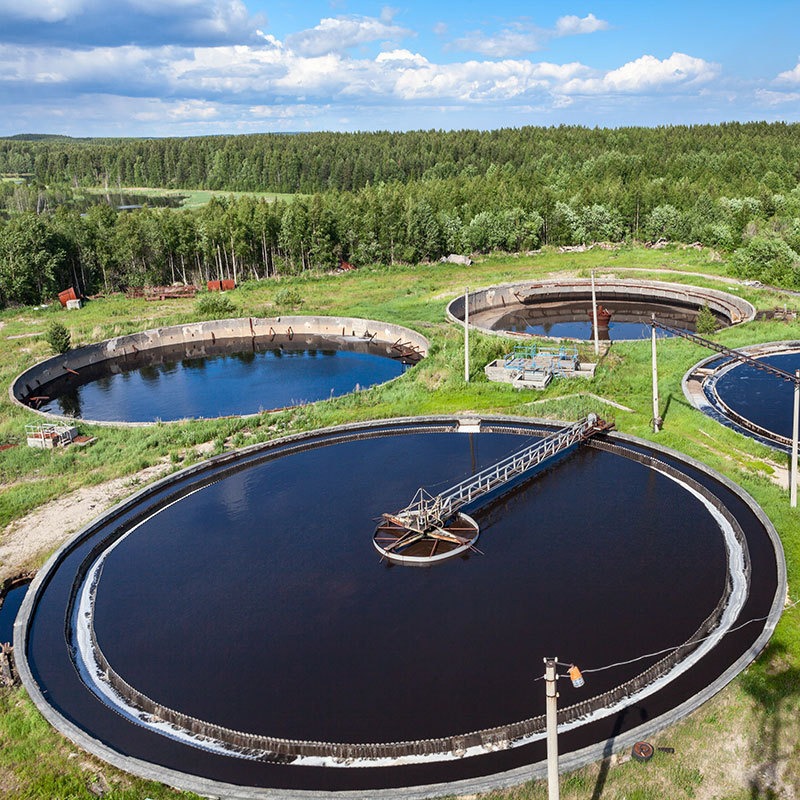
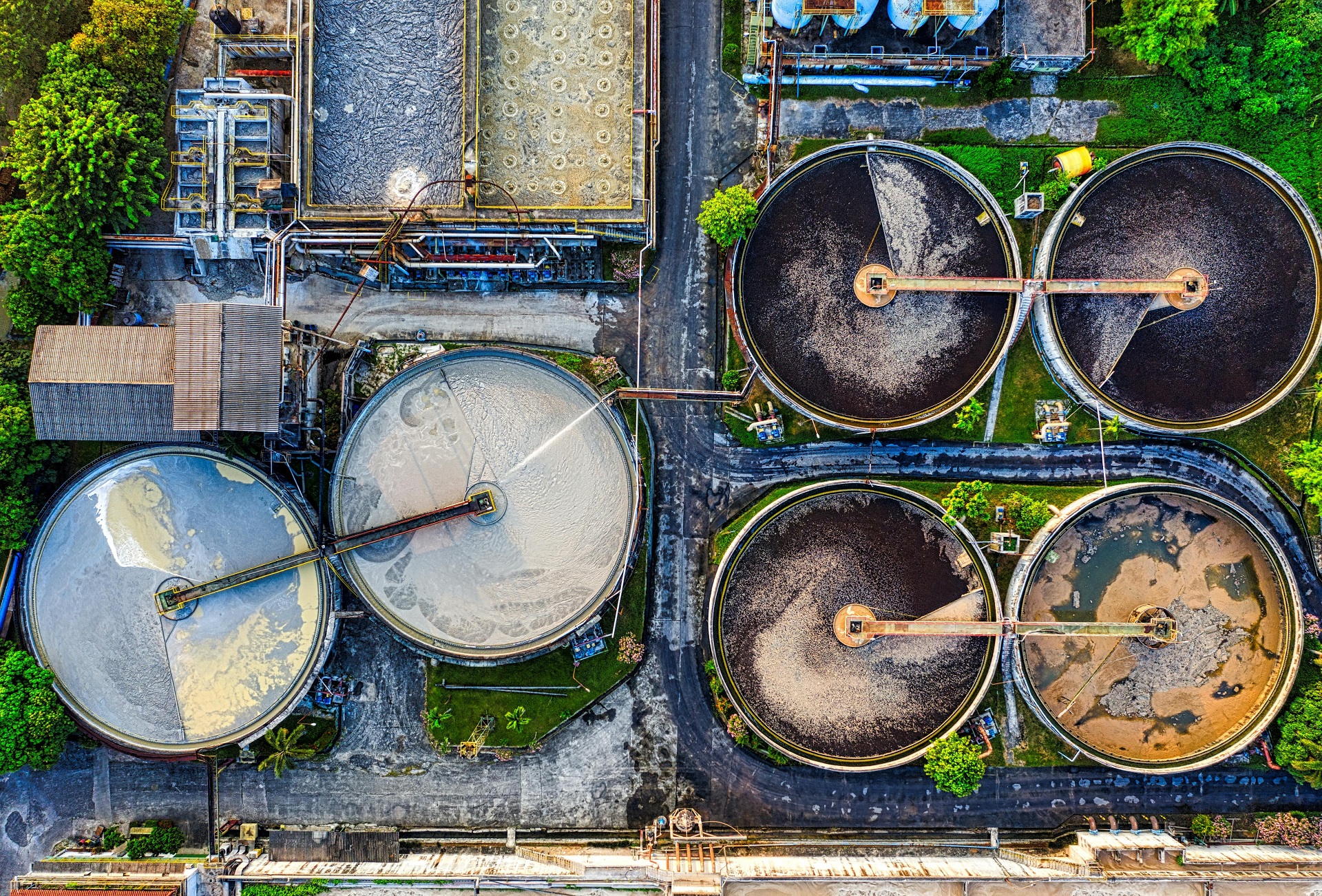
Operation: Seawater is introduced into a storage tank and allowed to settle, removing suspended solids such as silt and algae.
Principle: Gravity sedimentation separates insoluble impurities, reducing contamination in subsequent evaporation tanks.
2. Evaporation and Brine Production Stage
Operation: Seawater is introduced into a shallow evaporation tank and evaporated naturally by sunlight, concentrating the brine to near saturation (approximately 25% brine concentration).
Chemical Principle: After evaporation, the solubility of sodium chloride gradually decreases, but it has not yet reached its crystallization point.
3. Crystallization and Salt Precipitation Stage
Operation: The brine is transferred to a crystallization tank for further evaporation, and sodium chloride crystals gradually precipitate (usually requiring 3-5 days).
Key Control: The brine density (1.21-1.25 g/cm³) needs to be monitored to determine the timing of crystallization.
4. Purification and Removal Stage
Traditional Methods:
Leaching Method: Adding wood ash (containing K₂CO₃) to form MgCO₃↓ and CaCO₃↓ precipitates, removing Mg²⁺ and Ca²⁺.
Soil Leaching Method: Using saturated brine to rinse the salt pile, dissolving impurity ions (such as K⁺ and Mg²⁺) while retaining NaCl crystals.
Modern Method: Centrifugation and washing of salt particles further reduce impurity content.
1. II. Core Chemical Principles
Solubility Control: Sodium chloride solubility is less affected by temperature, but its concentration increases with water evaporation, eventually leading to supersaturated crystallization (solubility approximately 36 g/100g water, 20℃).
2. Selective Precipitation: Impurities such as Mg²⁺ and Ca²⁺ in the brine are preferentially removed because they precipitate with CO₃²⁻ (e.g., MgCO₃ Ksp = 6.8 × 10⁻⁶). 3. Dynamic Equilibrium of Saturated Solution During crystallization, the solution remains saturated, and Na⁺ and Cl⁻ continuously combine to precipitate crystals, while impurity ions remain in the mother liquor.