1, Circulating water
1.1 The water circulation system is originally used for water collection, its reuse is similar to the usage, and the industrial water circulation is used.
1.2 Major uses of circulating water for non-drinking purposes, such as cooling systems, agricultural irrigation, industrial production, etc. In the current industrial area, the circulation water is constantly used in the cooling system, the circulation water is absorbed, absorbed and removed, and the amount of heat generated is determined, and the maintenance equipment or engineering design operation is carried out.
1.3 The basic principle of water circulation is that the general water supply system should be used for each type of water treatment, reduction, removal of pollutants, and water quality requirements for subsequent reuse.
1.4 Conventional cyclic water treatment methods include mechanical processing, chemical processing, biological processing, disinfection, etc. After recycling, the water can be recycled and used again, reducing the demand for freshwater resources, reducing the amount of water used for precipitation, and reducing the environmental pollution.
1.5 Larger water resources available for water circulation, higher water usage efficiency, and lower environmental impact.
2, Reclaimed water
2.1 Neutral water refers to water or rainwater, which has a certain standard of water quality, but has limited use, and is usually used in non-drinking areas, as well as water or irrigation.
2.2 The main uses of reclaimed water include non-drinking areas, comprehensive urban sports, industrial cooling, agricultural irrigation, scenic access, etc., and practical water resource circulation uses.
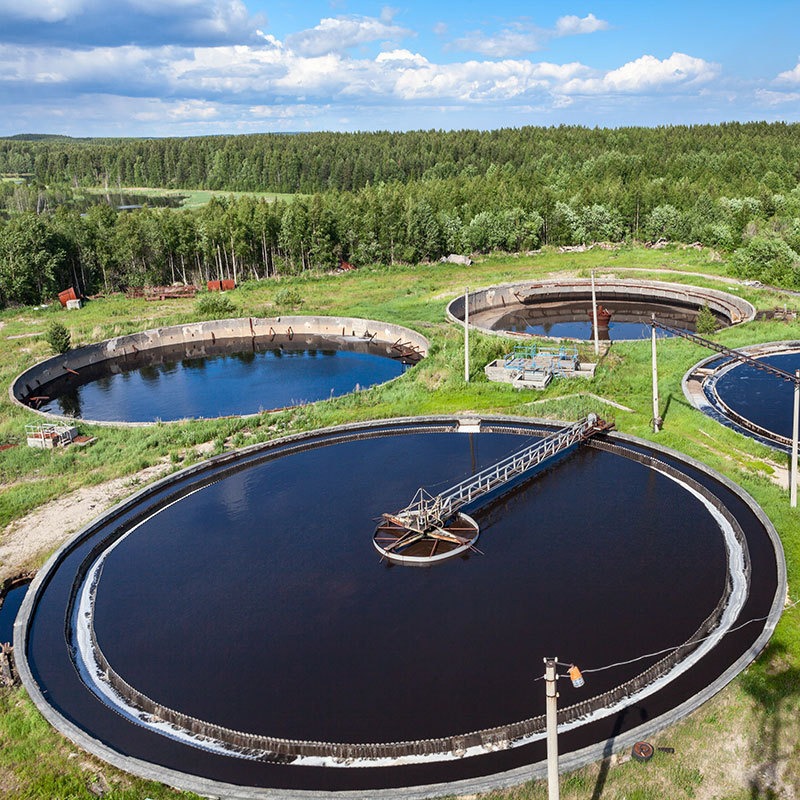
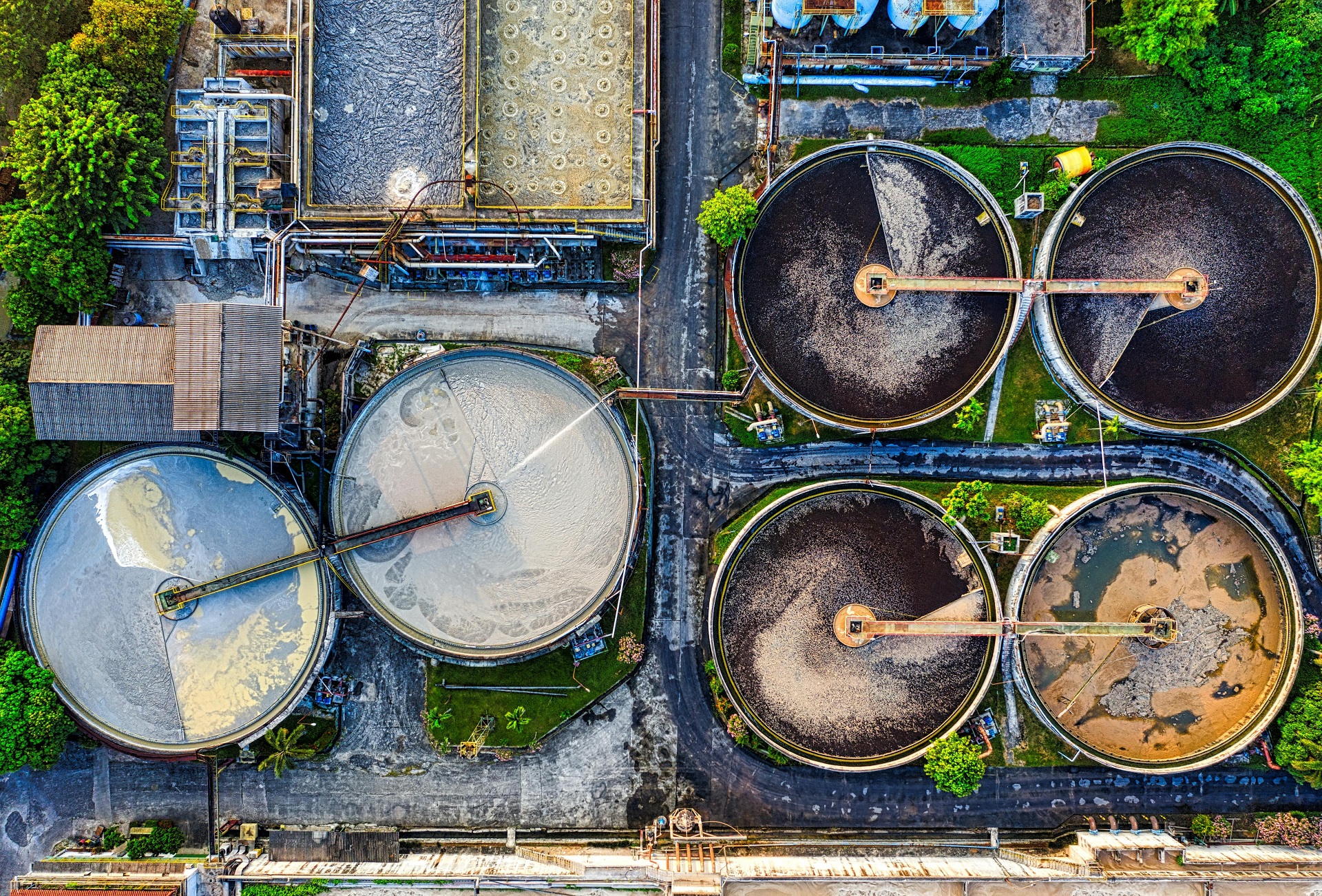
2.3 Neutral water is general domestic water, industrial water or rainwater, after which it reaches specific water quality standards, and is used as a regional water source for non-drinking purposes. Its basic principles include three core stages: ① Physics theory: removing large particles, floating objects, and physical science, such as simulating the movement, and moving the ball. ②Biochemistry: Utilize microorganisms to decompose organic matter, use aeration, biological ponds, etc. to decompose organic matter. ③Depth treatment: Use of membranes, chemical cleaning, etc., step-by-step removal of bodies, soluble organic matter and non-organic matter, and water quality determination.
2.4 Reclaimed water can be used as a new water source in flushing toilets, road maintenance, car washing, etc., to reduce consumption of drinking water, and at the same time, during the process of reclaimed water treatment, most of the pollution is removed, and the pollution in the environment is directly discharged.
3 recycled water
3.1 Recycled water can be used for industrial cooling or reuse, as well as for industrial cooling or reuse.
3.2 Recycled water is the fundamental form of recycled water, and recycled water is the depth of recycled water.
3.3 Providing recycled water for industrial cooling, agricultural irrigation, city greening, landscape water and groundwater irrigation, etc., and for practical water resources circulation.
3.4 Recycled water treatment main process physical, chemical and biological methods removal of waste, actual water recovery and reuse. Its main principles and techniques are comprehensive: sediment, filtration,oxidation reduction,Neutralization reaction, chemical absorption, activated sludge biofilm method, etc.
3.5 Recycled water does not have to be used for water quantity determination, water quality control, and for land use and circulation. Use of recycled water and other emergency water sources, non-functional water sources, enhanced water source supply, reduced sludge drainage, and high water efficiency.