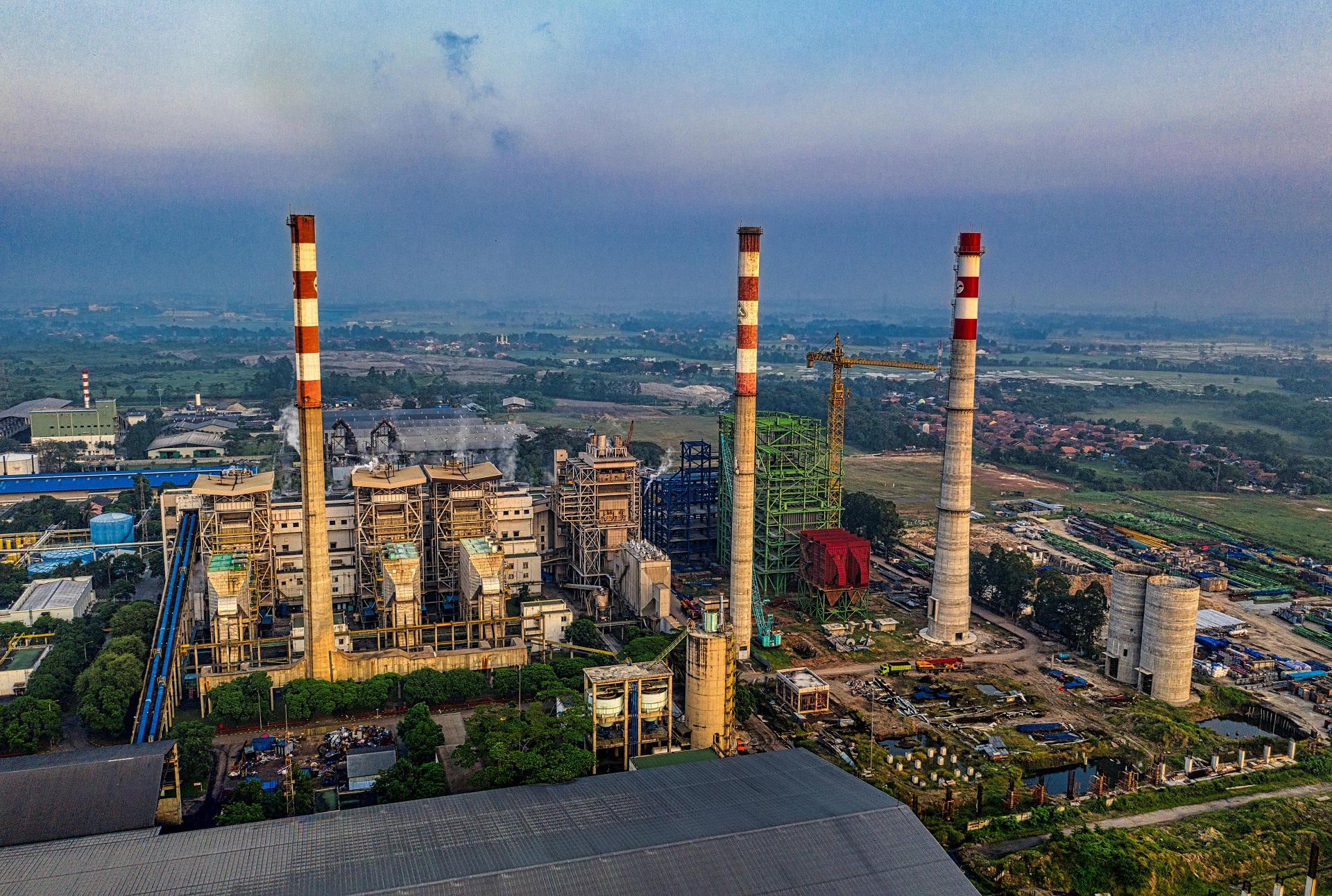
1.Coking wastewater is a typical toxic and difficult to degrade organic wastewater.Sources of coking wastewater Coking wastewater mainly comes from multiple links in the coal coking production process, among which residual ammonia accounts for the largest proportion, followed by wastewater generated by processes such as coal gas purification and chemical product refining..in Remaining ammonia (50%-70%)
It mainly comes from the high-temperature dry distillation of coal (coking) and the cooling process of raw coal gas, and is the largest part of the coking wastewater. It is characterized by high ammonia nitrogen concentration and contains organic matter such as phenols and cyanide.
2,Coking wastewaterfeature:haveHigh concentration, difficult to degrade,The characteristics of large emissions.High COD, high ammonia nitrogen, high toxicity,and Contains carcinogenic substances such as phenol, cyanide, and benzene.The presence of nitrogen in coking wastewater results in an excess of nitrogen sources required for biological purification, which makes it difficult to meet the treatment standards. The wastewater discharge is large, with the water consumption per ton of coke exceeding 2.5 tons. The wastewater is highly harmful. The polycyclic aromatic hydrocarbons in coking wastewater are not only difficult to degrade, but are also usually strong carcinogens, which not only cause serious pollution to the environment but also directly threaten human health.
3. How to deal with Coking wastewater?
1) Oil separation and air flotation
By utilizing the density difference between oil (tar, light oil) and water in coking wastewater, floating oil (accounting for 60-70%) is removed through a gravity oil separator, and then emulsified oil (particle size > 10μm) is removed through dissolved air flotation (DAF), reducing the oil content from 500mg/L to below 50mg/L.
2)Ammonia distillation and decyanation
Ammonia distillation process: wastewater is heated to above 100°C by steam, allowing free ammonia (NH₃) and volatile hydrogen cyanide (HCN) to escape with the steam. The ammonia nitrogen removal rate can reach more than 90%, reducing the ammonia nitrogen concentration from 3000mg/L to below 300mg/L, reducing the subsequent nitrification load.
3) Breakpoint chlorination and decyanation: For the remaining cyanide (50-100 mg/L), add sodium hypochlorite for oxidation and decomposition, control Cl⁻:CN⁻=8:1, and after 30 minutes of reaction, the cyanide concentration can be reduced to below 0.5 mg/L, relieving the inhibition on microorganisms.
4)Anaerobic hydrolysis acidification
In an anaerobic environment (DO < 0.5 mg/L), hydrolytic bacteria are used to break down long-chain organic matter (such as polycyclic aromatic hydrocarbons) into short-chain fatty acids, thereby improving the biodegradability of wastewater (B/C ratio increased from 0.2 to 0.4).
5)Anoxic denitrification and aerobic nitrification anoxic stage
Methanol is added as a carbon source (C/N=4-6), and denitrifying bacteria reduce nitrate nitrogen (NO₃⁻-N) to nitrogen gas, removing residual ammonia nitrogen in coking wastewater (about 200-300 mg/L after ammonia distillation). Aerobic stage: Nitrifying bacteria in highly activated sludge (MLSS=4000-6000 mg/L) oxidize ammonia nitrogen to nitrate, while aerobic bacteria degrade phenols (removal rate>95%). Dissolved oxygen (DO=2-4 mg/L) needs to be strictly controlled. Too low will lead to incomplete nitrification, and too high will increase energy consumption.
6) MBR membrane strengthening treatment
Some projects use MBR membrane bioreactors, which use ultrafiltration membranes (pore size 0.02μm) to intercept difficult-to-degrade organic matter and activated sludge, extending the sludge age to more than 30 days, ensuring the stable presence of nitrifying bacteria, and the ammonia nitrogen removal rate can reach more than 98%.
7)Ozone catalytic oxygen
Ozone (O₃) is used to generate hydroxyl radicals (・OH) on the surface of the catalyst (activated carbon), which oxidatively decompose difficult-to-degrade organic matter such as quinoline and anthracene.
8)Activated carbon adsorption
Coconut shell activated carbon (specific surface area> 1200m²/g) adsorbs residual chromaticity and small molecular organic matter in the water. The empty bed contact time (EBCT) of the adsorption column is set to 20 minutes, which can make the effluent chromaticity <50 times and COD <50mg/L, meeting the requirements for reuse as circulating cooling water.
9) Denitrification deep bed filter
To address the problem of excessive total nitrogen (still 20-30 mg/L after biochemical treatment), sodium acetate is added as a carbon source and denitrifying bacteria in the filter are used to further remove nitrate nitrogen, so that total nitrogen is ≤15 mg/L, meeting the Class A emission standard.
10)Excess sludge treatment
The phenol and cyanide-containing sludge produced by the biochemical system is concentrated and dehydrated (water content <80%) and then sent to the coking plant’s own incinerator for incineration (temperature ≥1000℃) to completely decompose the toxic substances. The incineration residue is disposed of in accordance with the hazardous waste (HW08) regulations.
11) Waste gas collection
The ammonia and hydrogen sulfide waste gas generated in the pretreatment stage is absorbed by the alkaline washing tower (NaOH solution) and then adsorbed by activated carbon to ensure that NH₃≤1mg/m³ and H₂S≤0.03mg/m³ in the exhaust gas, which meets the pollutant emission standards.
4. Coking wastewater treatment Process
The coking wastewater treatment process usually consists of pretreatment, biological treatment, coagulation treatment and sludge treatment. If deep purification is required, it can also include activated carbon treatment. Other methods for deep sewage purification include sewage denitrification and sewage catalytic wet oxidation treatment.
1) Preprocessing
The sewage passes through the regulating tank, pre-aeration tank, flotation oil removal tank and dilution tank to achieve uniform and stable water quality, and the cyanide and oil content are reduced to meet the water inlet requirements of the biochemical device.
2) Biochemical treatment
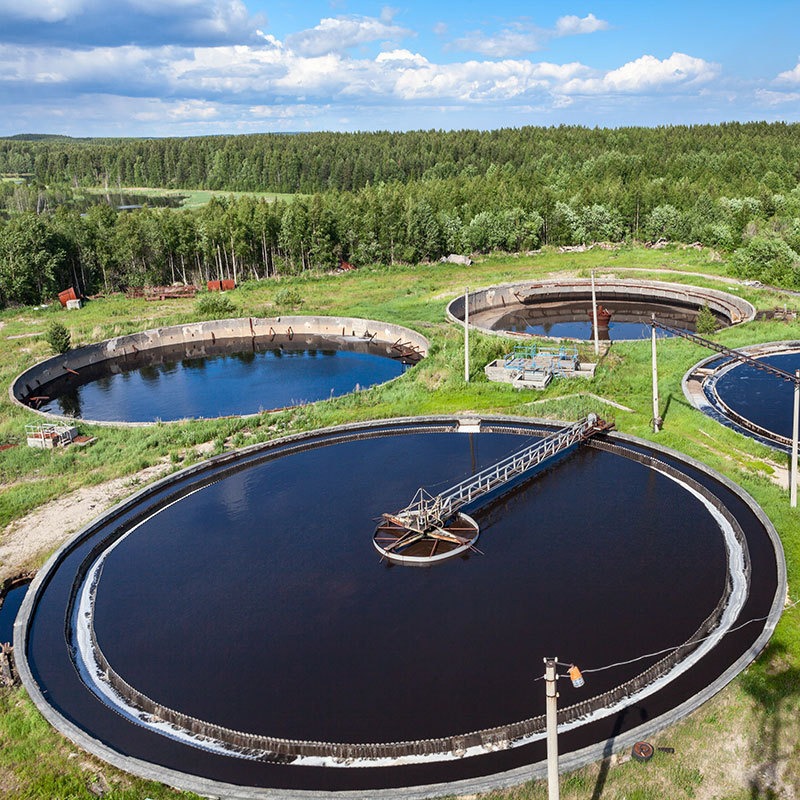
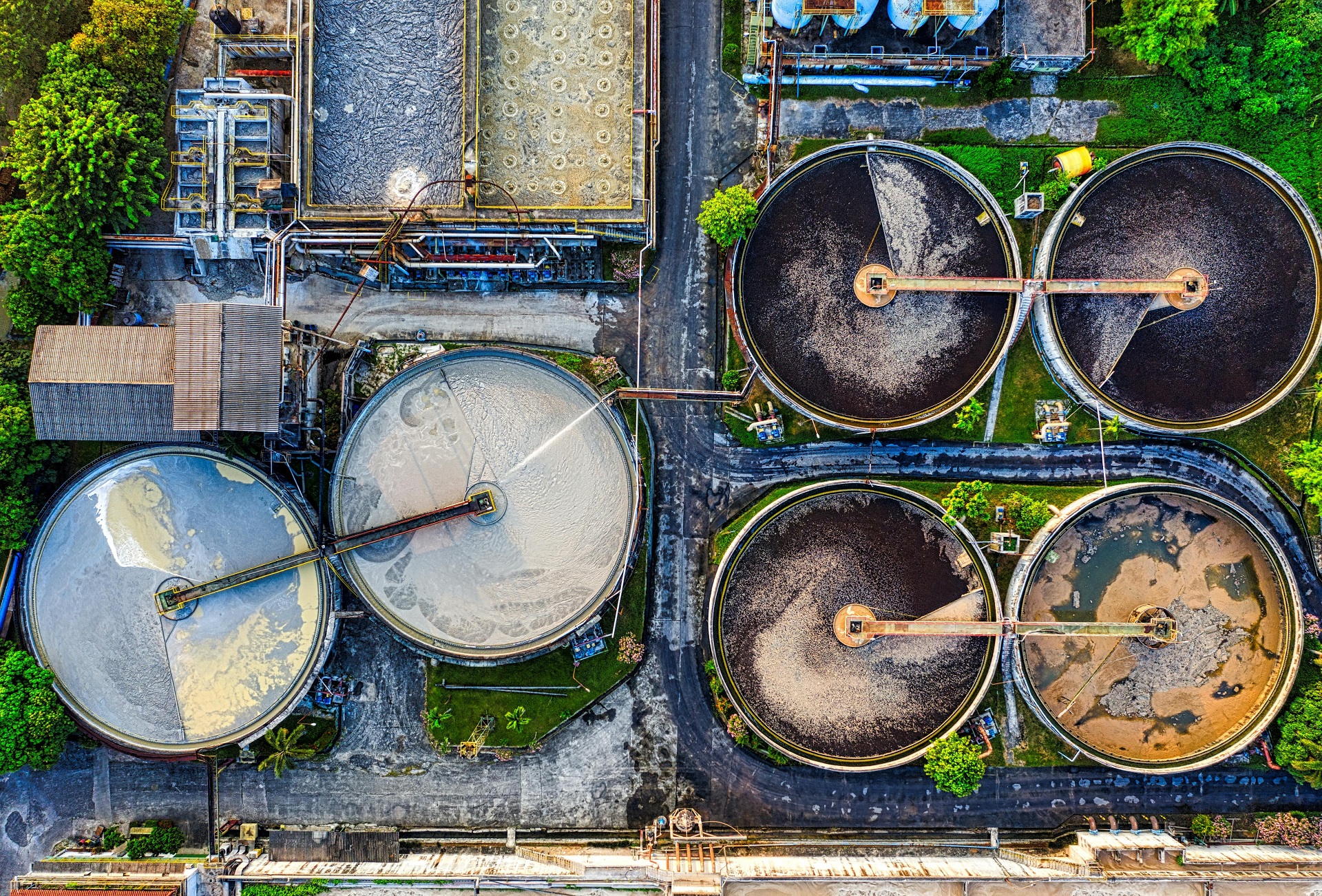
The harmful substances in the sewage are degraded through the biochemical transformation of microorganisms. The sewage is aerated and aerated in the aeration tank for about 24 hours. There are generally two types of aeration: mechanical surface aeration and forced aeration. After aeration, the sewage is clarified in the sludge sedimentation tank and then flows into the coagulation device.
3) Coagulation treatment
The wastewater is purified by complex cyanide removal and coagulation and sedimentation. Complex cyanide removal is to adjust the pH value and add iron salts, so that the cyanide in the wastewater is precipitated into ferrocyanide and ferric ferrocyanide, and then removed; coagulation and sedimentation is to add coagulants under alkaline conditions, and further remove pollutants and reduce COD values in the process of coagulation and flocculation adsorption.
4) Activated carbon treatment
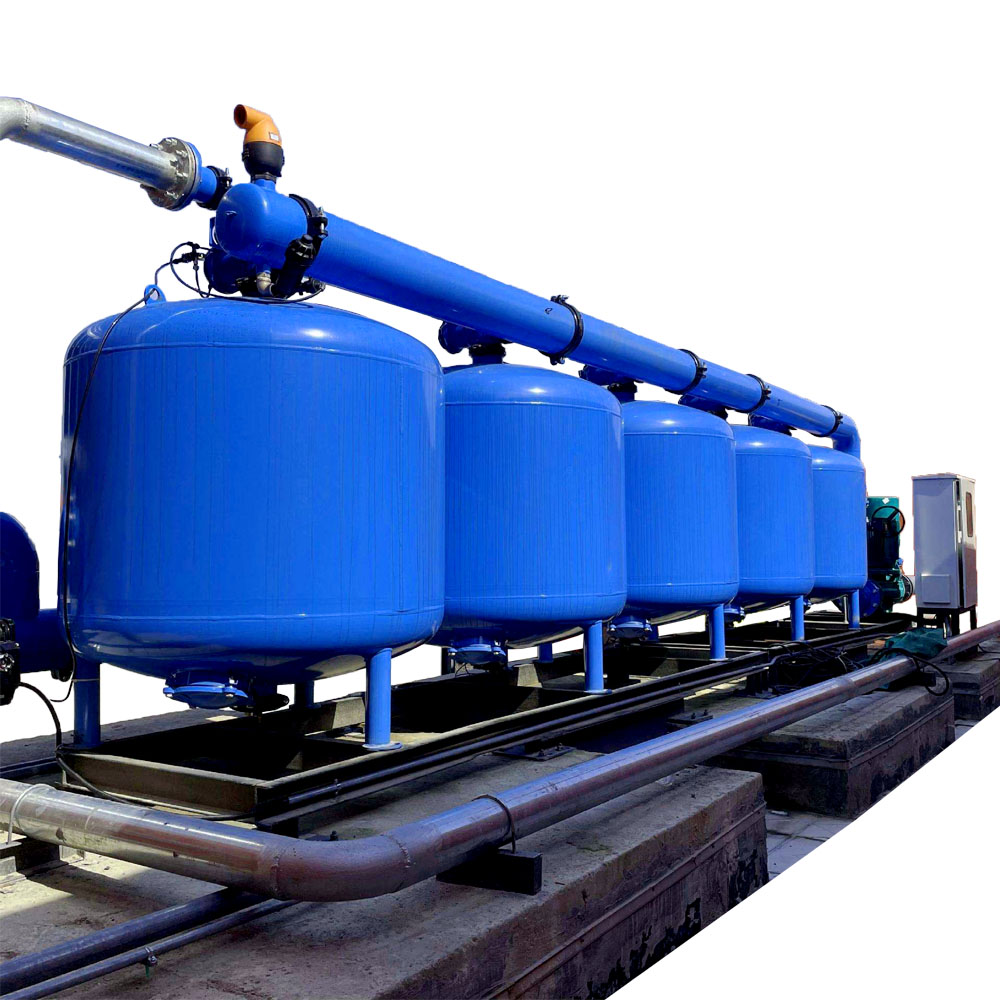
The deep purification process of activated carbon, which has the characteristics of porousness and huge surface area, further removes pollutants through physical and chemical adsorption. It consists of sewage filtration, activated carbon adsorption and waste carbon regeneration.
5) Sludge treatment
The residual sludge discharged from the biochemical treatment and the sedimentation sludge from the coagulation treatment are concentrated to reduce the water content of the sludge from 99-99.5% to about 98.5%. After being dehydrated by the sludge dewatering machine, it becomes a mud cake with a water content of about 80%. The mud cake contains a large amount of pollutants, among which benzo(a)pyrene is about 87 mg/kg. In order to avoid secondary pollution of the sludge, the mud cake is sent to the coal preparation and addition device and mixed with coal for coking. Belt filter press, vacuum filter and plate and frame filter press are commonly used in sludge dewatering equipment.
5.Coking wastewater precautions
1), Control the quality and quantity of incoming waterAccording to the original statistical data on the water quality and quantity of the main sources of coking wastewater and the provisions of the design plan, the quality and quantity of wastewater entering the sewage treatment system must meet the design requirements.
2), Wastewater pretreatmentIn order to reduce the subsequent biochemical treatment load, alleviate the impact load of toxic substances, and stabilize the subsequent biochemical treatment effect and facilitate operation and management, the wastewater needs to be pretreated before entering the system.
2.1)Control the COD content of influent
If the influent COD fluctuates too much, it will have a great impact on the system operation. Therefore, according to the design requirements, the influent COD should be strictly controlled within the design requirements.
2.2) Control the inlet water temperature. The final cooling wastewater, ammonia steam wastewater and 5# and 6# coke oven ammonia steam wastewater from the old plant area have very high water temperatures and need to be cooled to below 38°C by a plate condenser and atomizing cooler before being discharged into the regulating tank.
2.3) Control the oil content in the influent. The gas condensate wastewater and the turbid water from various clear and turbid diversions are treated with gravity oil separation and flotation oil removal (oil content below 30 mg/L) to make the oil content lower than the concentration that affects the normal growth of microorganisms before being discharged into the equalization tank.
2.4) Reducing the ammonia nitrogen content: The partially evaporated ammonia wastewater first passes through a fixed ammonia decomposition device to reduce its ammonia nitrogen concentration from 800 mg/L to 250 mg/L before being discharged into the equalization tank.