COD, or chemical oxygen demand, is an important indicator for measuring the degree of pollution of reducing substances in water. High COD wastewater, or wastewater with high chemical oxygen demand, usually means that the wastewater contains a large amount of organic matter. As its content increases, the oxygen deficiency in the water body intensifies, causing the death of animals and plants due to lack of oxygen, which in turn accelerates the deterioration of water quality.
Sources of COD
1) Chemical industry: petrochemical industry, fine chemical industry, etc. will produce a large amount of high COD wastewater during the production process. For example, the wastewater discharged during the production of synthetic resins, dyes, pesticides, etc. contains a large amount of organic compounds that are difficult to degrade.
2) Pharmaceutical industry: Wastewater generated during drug synthesis, fermentation and other processes contains unreacted raw materials, intermediates, products and solvents, etc., and the COD value is often high.
3) Printing and dyeing industry: Wastewater generated by dyeing and printing processes contains organic matter such as dyes and auxiliaries, which leads to increased COD.
4) Papermaking industry: Wastewater generated during pulping and bleaching processes contains organic matter such as lignin and cellulose, and has a high COD content.
5) Domestic sewage: In some areas without complete sewage treatment facilities, direct discharge of domestic sewage will lead to increased COD in water bodies. Organic matter in domestic sewage mainly comes from food residues, detergents, feces, etc.
The harm of high COD sewage
1 ) Disruption of ecological balance : When high concentrations of organic matter enter the water body, they will consume a large amount of dissolved oxygen in the water, causing the death of aquatic organisms due to lack of oxygen, destroying the ecological balance of the water body, and causing serious damage to the structure and function of the aquatic ecosystem.
2) Impact on drinking water safety: If high COD sewage is discharged into natural water bodies without effective treatment, pollutants will spread with the water cycle, pollute drinking water sources, and threaten human health. These organic substances may contain harmful substances that cause cancer, teratogens, and mutagenesis. Long-term drinking of contaminated water will increase the risk of various diseases.
3) Pollution of soil and groundwater: Harmful substances in sewage enter the soil and underground aquifers through infiltration, causing soil compaction and reduced fertility, affecting the growth of crops. It also pollutes groundwater and makes it impossible to use groundwater resources normally.
What are the methods to remove COD?
From the perspective of morphology, COD can be divided into soluble, colloidal and suspended states, so the treatment options can also be divided into three types:
- Physical removal
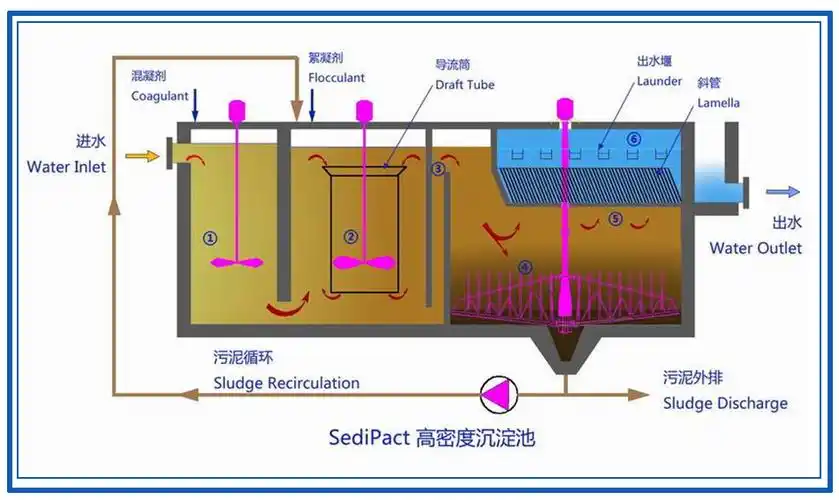
methods mainly include filtration, oil separation, coagulation and sedimentation, activated carbon adsorption filtration and flotation, etc. These methods can effectively remove COD in different forms.
For example, coarse filtration can be used to remove suspended COD, while medium filtration and fine filtration can effectively remove colloidal and soluble COD.
Oil separation technology can remove oil floating in the water. Although it is difficult to achieve complete treatment standards, it can effectively reduce most COD.
- Biological removal methods
Biological removal uses the metabolism of microorganisms to convert organic matter in wastewater into harmless substances such as carbon dioxide and water. Common biological treatment methods include activated sludge method, biofilm method, anaerobic biological method, etc. These methods have significant effects in treating low- and medium-concentration organic wastewater, but are not suitable for high -concentration organic wastewater or sewage treatment in specific industries.
- Chemical method
The chemical method is a method of directly adding COD degradation agents to sewage to remove dissolved substances or colloidal substances in the wastewater through chemical reactions. This method is highly efficient and rapid, and can significantly reduce the concentration of pollutants such as COD in sewage. Strong oxidants such as Fenton’s reagent and ozone can also be used to destroy the molecular structure of organic matter, which is suitable for high-concentration wastewater in the chemical and pharmaceutical industries.
In terms of COD concentration, it can be divided into high concentration COD, medium concentration COD and low concentration COD. The treatment schemes can also be divided into three types:
- high-concentration COD wastewater by biological methods. Adsorption or incineration methods can be used to treat such wastewater. Coal powder adsorption is an effective treatment technology. The adsorbed coal powder is used for combustion without secondary pollution, which is more economical than activated carbon adsorption. Through preliminary coagulation and adsorption treatment, combined with catalytic oxidation and acid coagulation, and subsequent coal powder coagulation and adsorption, the color and COD in the wastewater can be efficiently removed, reaching a removal rate of 100% and more than 90% respectively, and the treatment effect is very good.
- Medium-concentration COD wastewater: Medium-concentration COD wastewater is suitable for biological treatment, among which A/O process and SBR process are common treatment methods. A/O process, also known as anaerobic aerobic process, effectively removes organic COD in water through the synergistic effect of anaerobic and aerobic stages. The process is simple, does not require additional carbon source, uses raw sewage as carbon source, has relatively low operating costs, and performs well in reducing COD.
- Low-concentration COD wastewater: The concentration of low-concentration COD wastewater treated by the biochemical system has been significantly reduced and meets the qualified discharge standards. If further intensive treatment is required, we can use chemical oxidation method for treatment.