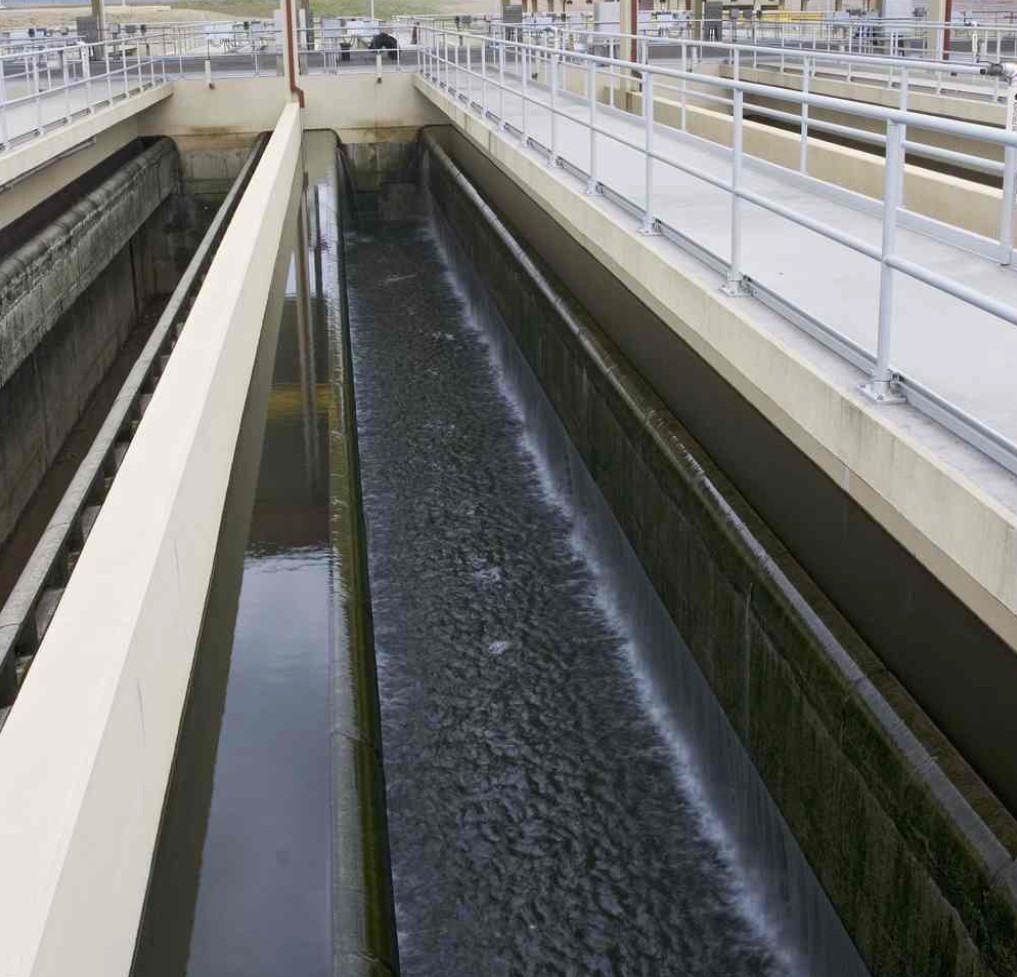
Tag: suspended solids

Blog

How should sugar refining wastewater be treated?

Sugar refining wastewater is a typical high-concentration organic wastewater, characterized by large production volume, high COD (Chemical Oxygen Demand) and BOD5 (Biochemical Oxygen Demand) concentrations, good biodegradability, and deep color. Its treatment process typically employs a multi-stage combination to achieve efficient and stable purification. The mainstream process flow can be
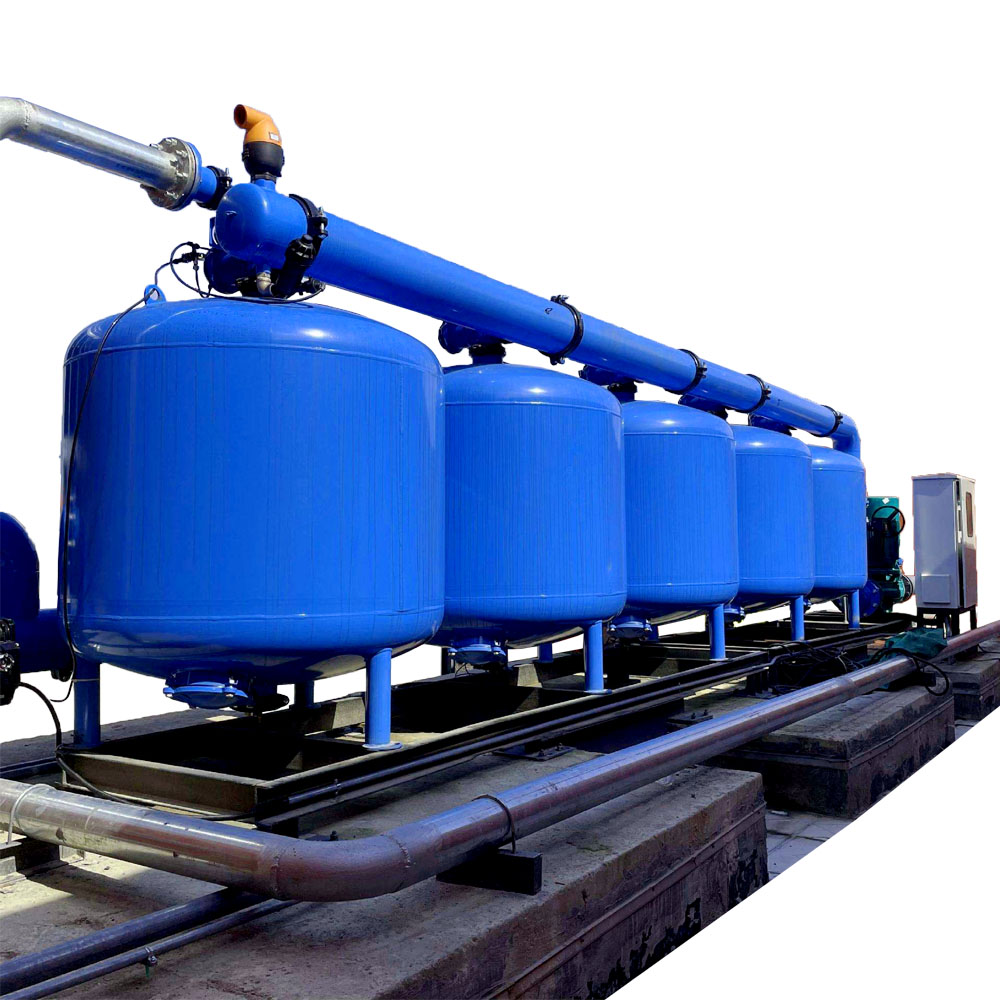
activated carbon filter
Blog

What are the characteristics of aquaculture wastewater?

1. It has a high concentration of organic matter, a lot of suspended solids, and a dark color. It contains a large amount of animal feces, resulting in a very high concentration of NH3-N, and also contains a large number of pathogenic bacteria. 2. The pollutants in the wastewater mainly

Blog

How to effectively treat drinking water?

1. Drinking water treatment generally involves purification, chlorination, and sometimes the addition of fluoridation agents. Treated water is collected by gravity or pumping into reservoirs and distributed through water towers or surface facilities. After use, the wastewater is typically discharged into the sewer system and treated at sewage treatment plants

A/O process
Blog

The main differences between domestic and industrial wastewater treatment

The main differences between domestic and industrial wastewater treatment lie in the treatment targets, process flows, and pollutant types: 1. Differences in Treatment Targets Domestic wastewater treatment targets residential wastewater (including feces, laundry wastewater, etc.), with the core goal being to remove common pollutants such as chemical oxygen demand (COD),