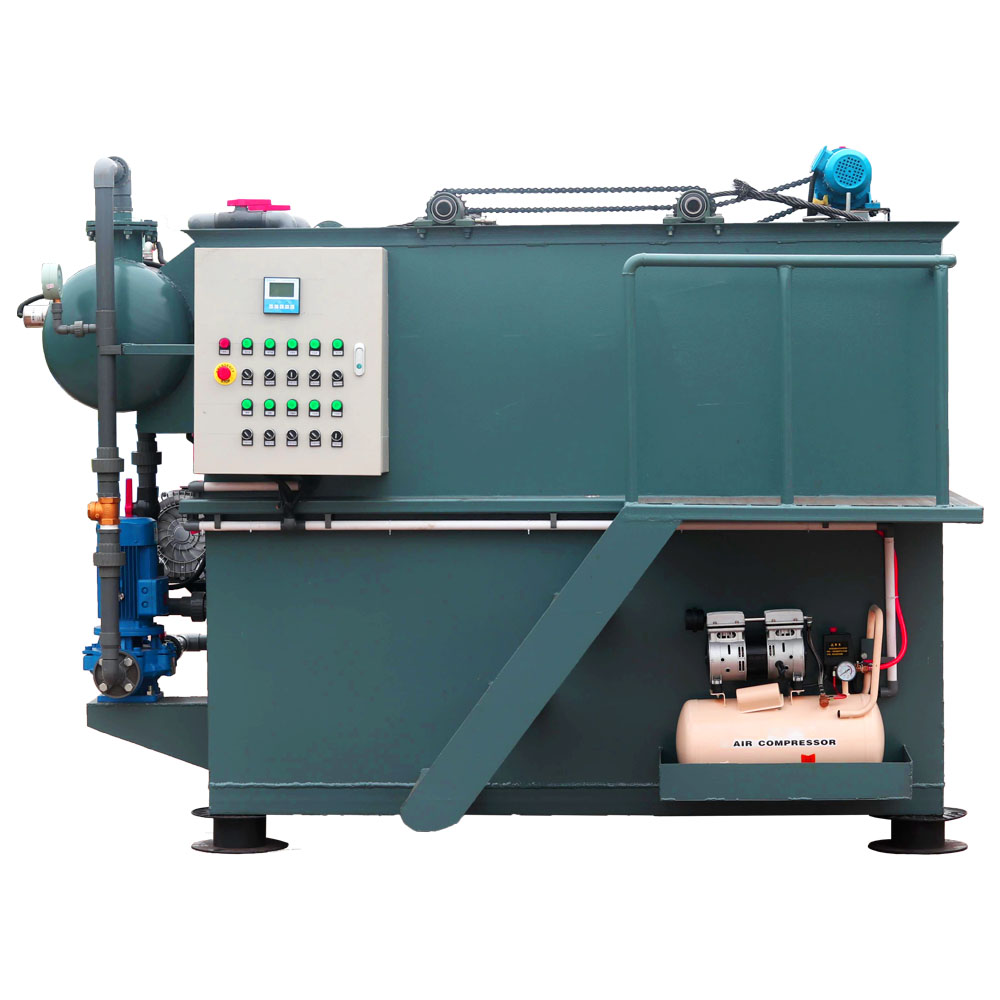
Tag: Sludge treatment

Blog

What is the process flow of sludge treatment?

The sludge treatment process includes four treatment or disposal stages. The first stage is sludge concentration, the main purpose of which is to initially reduce the volume of sludge and reduce the volume of subsequent treatment structures or equipment capacity; the second stage is sludge digestion, which decomposes the organic

Blog

What is the process for Sludge treatment?

The sludge treatment process mainly includes four core links: concentration, stabilization, dehydration and final disposal. Resource utilization is achieved through reduction, stabilization and harmless treatment. 1. Concentration: Reduce the moisture content of sludge from more than 95% to 90%-93% through gravity concentration or mechanical concentration, and reduce the volume by

activated carbon filter
Blog

What is coking wastewater?

1.Coking wastewater is a typical toxic and difficult to degrade organic wastewater.Sources of coking wastewater‌ Coking wastewater mainly comes from multiple links in the coal coking production process, among which residual ammonia accounts for the largest proportion, followed by wastewater generated by processes such as coal gas purification and chemical

membrane bioreactor
Blog

The treatment process of sewage treatment

Wastewater treatment is a systematic and complex process that typically includes pre-treatment, main treatment (including primary, secondary, and advanced treatment), and post-treatment stages. Each stage has different goals and technical means to ensure that the effluent quality meets standards. The following is a detailed processing procedure: 1、 PreprocessingGoal: Remove large

Fenton advanced oxidation technology
Waste water treatment news

How does Fenton Advanced Oxidation Process works?

Fenton advanced oxidation technology uses the synergistic effect of hydrogen peroxide (H₂O₂) and ferrous ions (Fe²⁺) to generate hydroxyl radicals (·OH) with extremely strong oxidizing properties. Its oxidation potential is as high as 2.73V (at pH=4), second only to hydrofluoric acid. The core reaction equation is as follows: Chain reaction