Tag: biological treatment

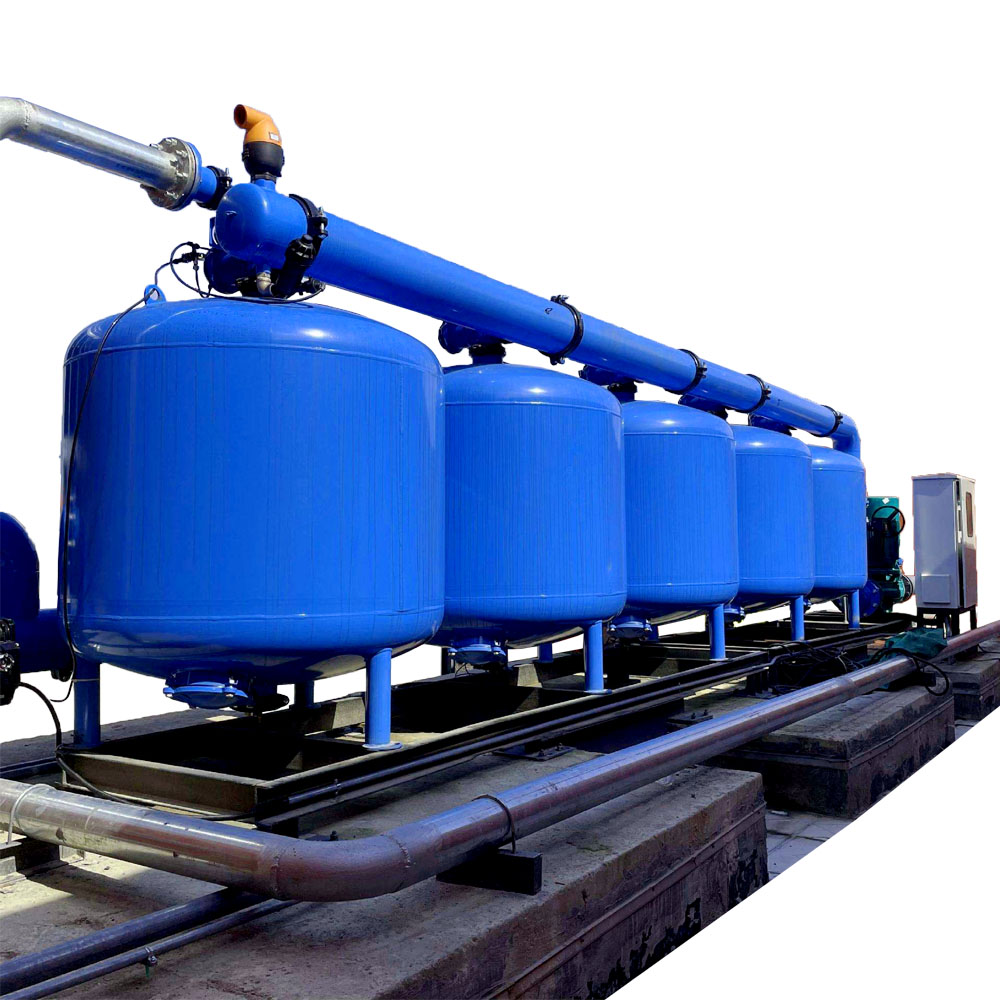
activated carbon filter
Blog

How should wastewater from glass factories be treated?

The treatment of wastewater from glass factories mainly adopts a combined process of “pretreatment + main treatment + advanced treatment + reuse” to achieve compliant discharge or resource reuse, as detailed below: 1. Pretreatment 1.1 Bar screen/screen: Removes large particulate impurities 1.2 Equalization tank: Balances water quality and quantity 1.3
Blog

How is garment manufacturing wastewater treated?

The wastewater treatment process for garment factories is designed based on the source and characteristics of their wastewater. Based on the actual production processes in the garment industry, the typical mainstream treatment process adopts a combination of “pretreatment + biological treatment + advanced treatment + disinfection/sludge treatment,” with the specific

Blog

What are the characteristics of garment manufacturing wastewater?

Garment wastewater mainly originates from washing, dyeing, and finishing processes in garment manufacturing. Its water quality typically exhibits the following characteristics: 1. High organic matter concentration: Contains large amounts of fiber debris, sizing agents (such as PVA), dyes, and auxiliaries, resulting in high COD (Chemical Oxygen Demand) and BOD (Biochemical

Blog

How should sugar refining wastewater be treated?

Sugar refining wastewater is a typical high-concentration organic wastewater, characterized by large production volume, high COD (Chemical Oxygen Demand) and BOD5 (Biochemical Oxygen Demand) concentrations, good biodegradability, and deep color. Its treatment process typically employs a multi-stage combination to achieve efficient and stable purification. The mainstream process flow can be

Blog

What are the treatment processes for hospital wastewater?

The choice of process generally depends on the hospital’s size, nature, and wastewater discharge destination. There are four main types of processes: primary treatment with enhanced treatment effects, secondary treatment, simplified biological treatment, and advanced treatment. Hospital wastewater treatment typically involves engineering design, construction, and acceptance procedures. Treatment facilities require

Blog

How should aquaculture wastewater be treated?

There are many methods for treating aquaculture wastewater, which can generally be categorized into four main types: biological treatment, physical treatment, chemical treatment, and natural treatment. 1. Biological Treatment: This method uses the metabolic activity of microorganisms to transform organic pollutants in solution, colloid, and finely suspended states in wastewater

Blog

What are some commonly used aerobic treatment methods?

Commonly used aerobic biological treatment methods include activated sludge process, deep well aeration process, adsorption biodegradation process (AB process), contact oxidation process, sequencing batch reactor (SBR) process, and circulating activated sludge process (CASS process). (1) Biological Contact Oxidation Process: This technology combines the advantages of activated sludge and biofilm processes,

Blog

Drinking Water Treatment and Wastewater Treatment

The core differences between drinking water treatment and wastewater treatment lie in their treatment targets, objectives, and process flows: 1. Differences in Treatment Targets Drinking water treatment targets natural water sources (such as surface water and groundwater), aiming to remove suspended solids, microorganisms, and harmful substances to ensure water quality