
There are several types of automatic water purification equipment designed for different needs and scales, from household use to industrial applications. Here are some common types:
1. Reverse Osmosis (RO) Systems
- Function: These systems use a semi-permeable membrane to remove a wide range of contaminants, including bacteria, viruses, salts, and other impurities, from water.
- Common Use: Residential water purification, commercial water filtration, and in industrial processes where pure water is essential.
- Automatic Features: The system typically has an automatic shut-off valve, automatic flushing, and a monitoring system to ensure the water quality and the membrane’s performance.
2. Ultraviolet (UV) Purifiers
- Function: UV purifiers use ultraviolet light to disinfect water by killing harmful microorganisms such as bacteria, viruses, and protozoa.
- Common Use: Household water treatment, bottled water production, and in industries where disinfection without chemicals is preferred.
- Automatic Features: These systems often feature automatic on/off functions, UV intensity sensors, and alarms for lamp replacement.
3. Activated Carbon Filters
- Function: Activated carbon filters remove chlorine, volatile organic compounds (VOCs), heavy metals, and other impurities by adsorption.
- Common Use: Residential water filtration, especially for improving taste and odor.
- Automatic Features: Some systems are equipped with automatic backwashing mechanisms to clean the filter periodically, ensuring optimal performance.
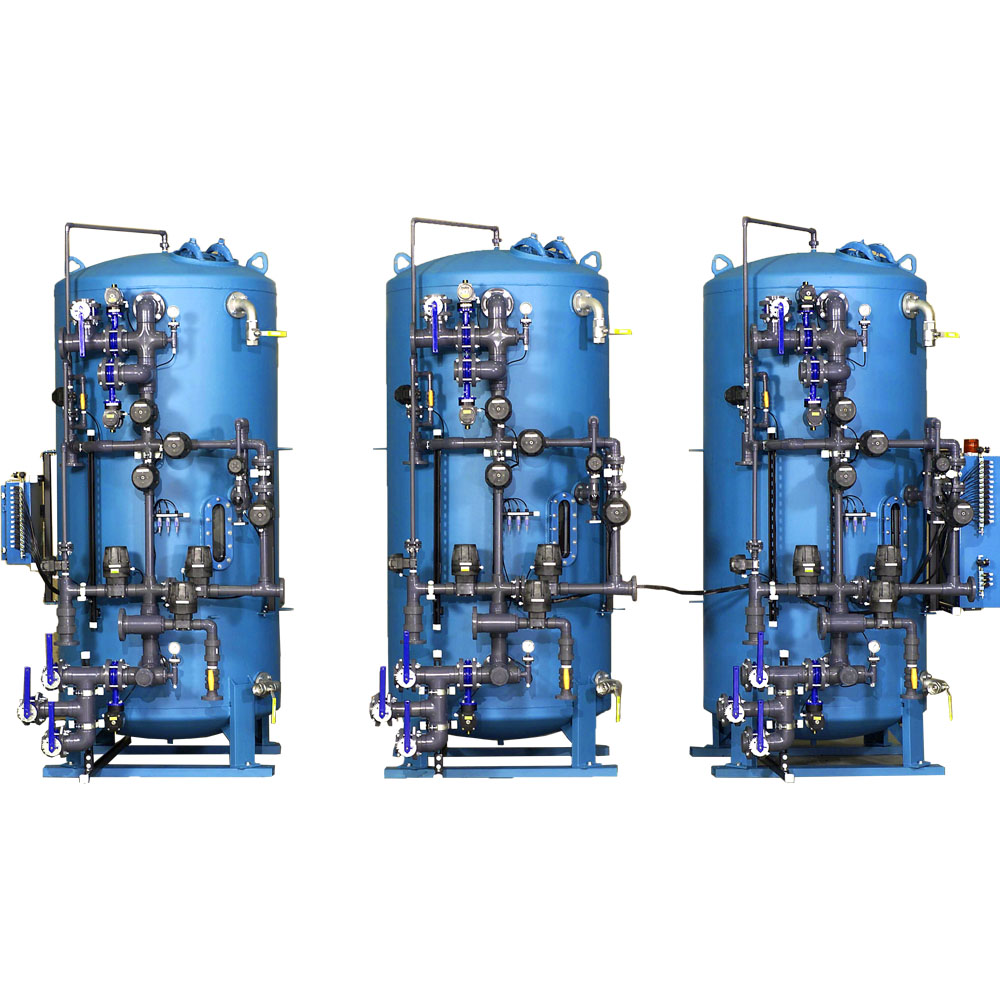
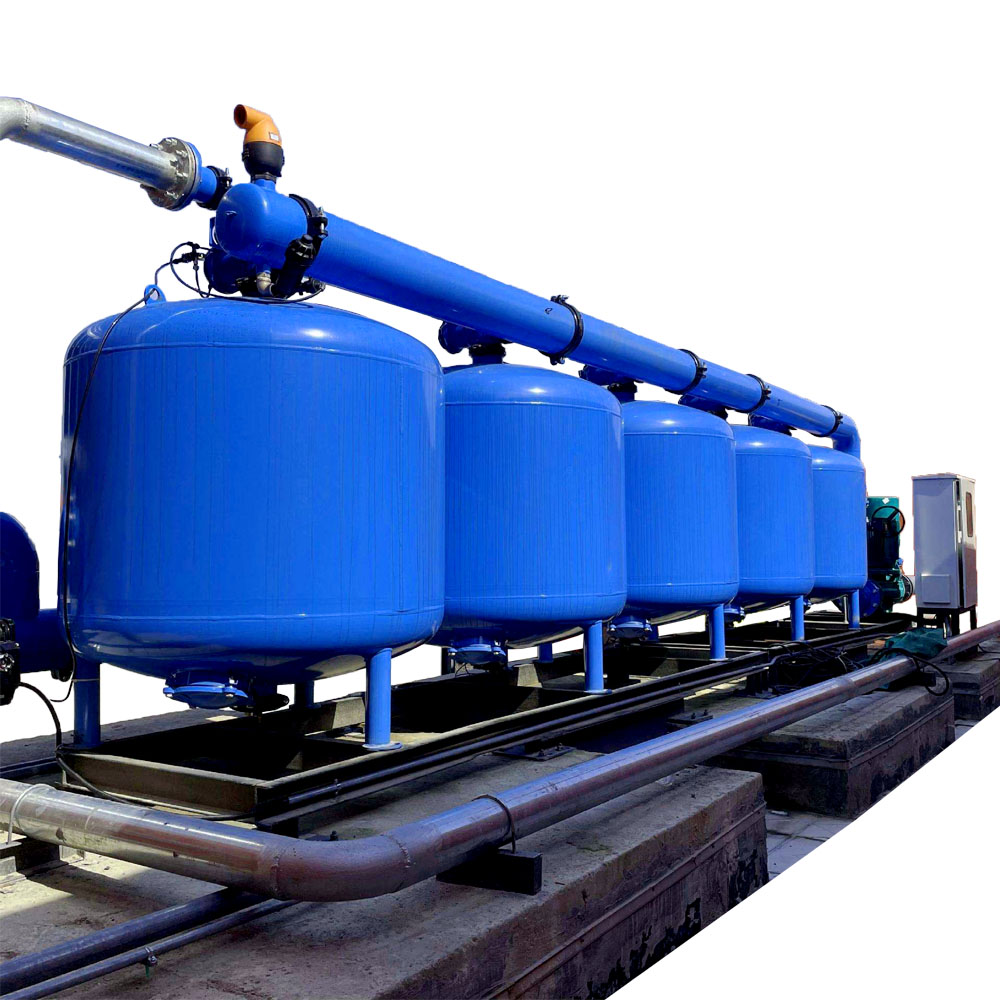
4. Automatic Backwashing Filters
- Function: These filters remove suspended solids, iron, manganese, and other contaminants through a mechanical process, where the filter media is periodically backwashed to remove accumulated particles.
- Common Use: Often used in municipal water treatment plants, large-scale residential setups, or industries requiring clean water for operations.
- Automatic Features: The backwashing process is triggered automatically, often based on time or the pressure drop in the system.
5. Sediment Filters
- Function: These filters remove larger particles like dirt, sand, and debris from water, which can clog other filters and affect the overall water quality.
- Common Use: Pre-filtration in both residential and commercial water purification systems.
- Automatic Features: Some models come with automatic flushing mechanisms or pressure sensors to maintain the filtration efficiency.
6. Water Softener Systems
- Function: Water softeners remove hard minerals like calcium and magnesium from water, preventing scale buildup in pipes, appliances, and industrial equipment.
- Common Use: Residential homes with hard water, and in industries like manufacturing, food processing, and hotels.
- Automatic Features: These systems often feature automatic regeneration cycles, based on water usage or time, to restore the softening resin.
7. Ion Exchange Filters
- Function: Ion exchange systems remove specific ions from water, such as calcium, magnesium, and heavy metals, and replace them with sodium or other ions.
- Common Use: Water softening, deionization in industrial processes, and laboratory water purification.
- Automatic Features: Similar to water softeners, ion exchange systems often have automatic regeneration features to restore the resin’s capacity to exchange ions.
8. Distillation Systems
- Function: These systems heat water to the boiling point, causing the water to evaporate and then condense back into liquid form, leaving contaminants behind.
- Common Use: Producing high-purity water for laboratories, pharmaceutical production, and in households where distilled water is required.
- Automatic Features: Modern distillation units may have automatic water level sensors, auto shut-off when the distillation process is complete, and cleaning cycles.
9. Inline Water Filters
- Function: Inline filters are installed directly into the plumbing system to continuously filter water as it flows through the pipes.
- Common Use: Residential water treatment, especially for whole-house systems or point-of-use systems like refrigerators or ice makers.
- Automatic Features: Some inline filters have automatic monitoring to alert when a filter change is needed, and may include self-flushing features.
10. Ozonation Systems
- Function: Ozone is a powerful oxidizing agent that can disinfect water, breaking down organic contaminants, bacteria, and viruses.
- Common Use: Used in water treatment plants, swimming pools, and in some residential systems.
- Automatic Features: The system will automatically generate ozone as needed and may include ozone concentration monitoring and auto-shutoff features.
These systems often incorporate sensors, monitoring devices, and control panels that ensure efficient operation, with automatic maintenance features like flushing, regeneration, or cleaning to reduce the need for manual intervention.