The treatment of wastewater from glass factories mainly adopts a combined process of “pretreatment + main treatment + advanced treatment + reuse” to achieve compliant discharge or resource reuse, as detailed below:
1. Pretreatment
1.1 Bar screen/screen: Removes large particulate impurities
1.2 Equalization tank: Balances water quality and quantity
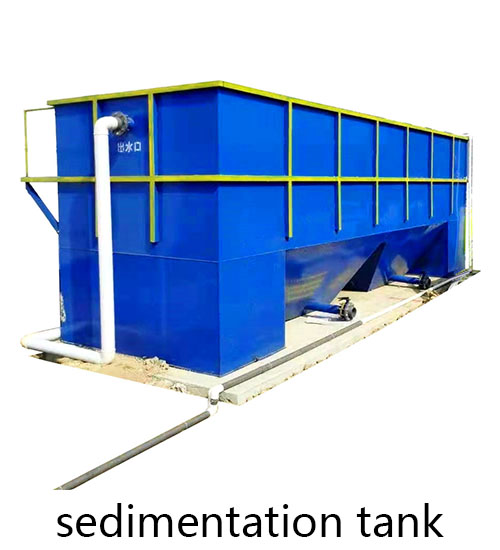
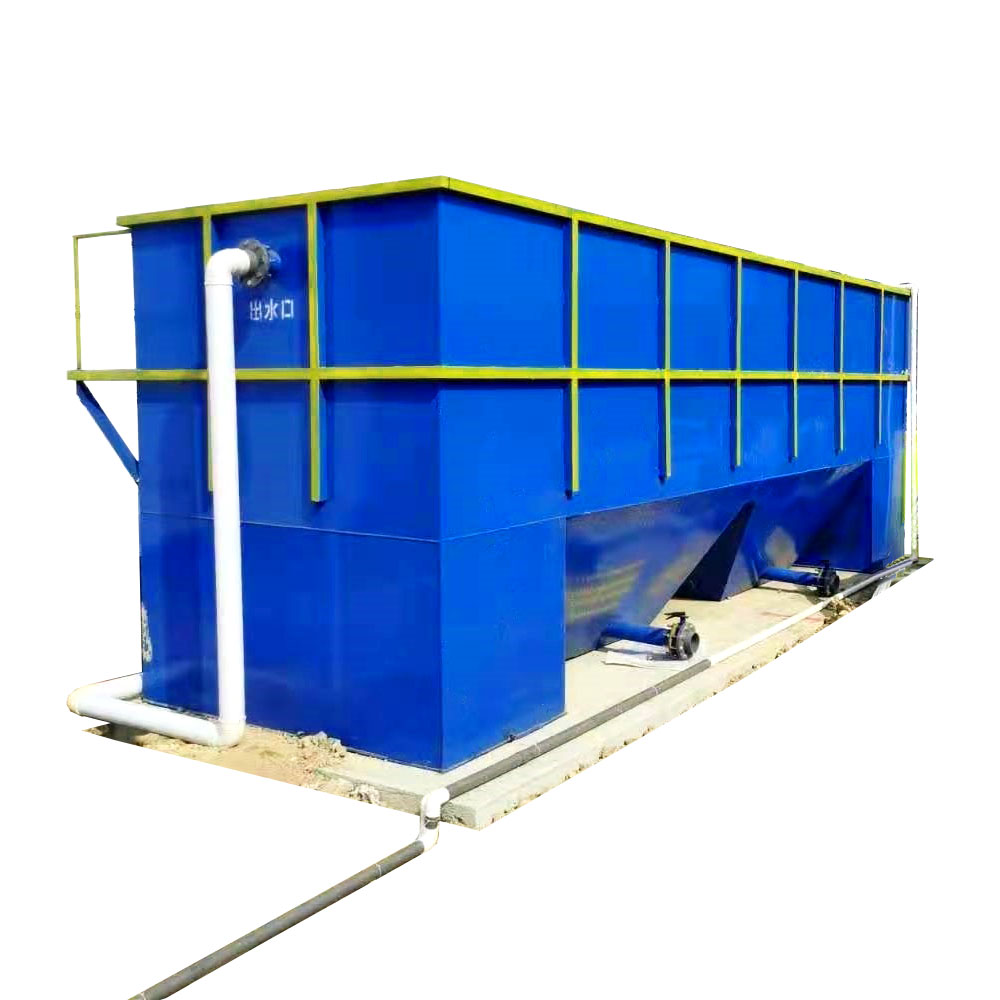
1.3 Sedimentation tank: Initially removes suspended solids
1.4 Oil separator (if oily wastewater): Separates oily substances
2. Main treatment
2.1 Coagulation and sedimentation: Adds polyaluminum chloride (PAC) and polyacrylamide (PAM) to remove suspended solids and colloids
2.2 Chemical precipitation:
2.3 Defluoridation: Adds lime milk to generate calcium fluoride (CaF₂) precipitate
2.4 Heavy metal removal: Adjusts pH to precipitate heavy metal hydroxides, or adds chelating agents
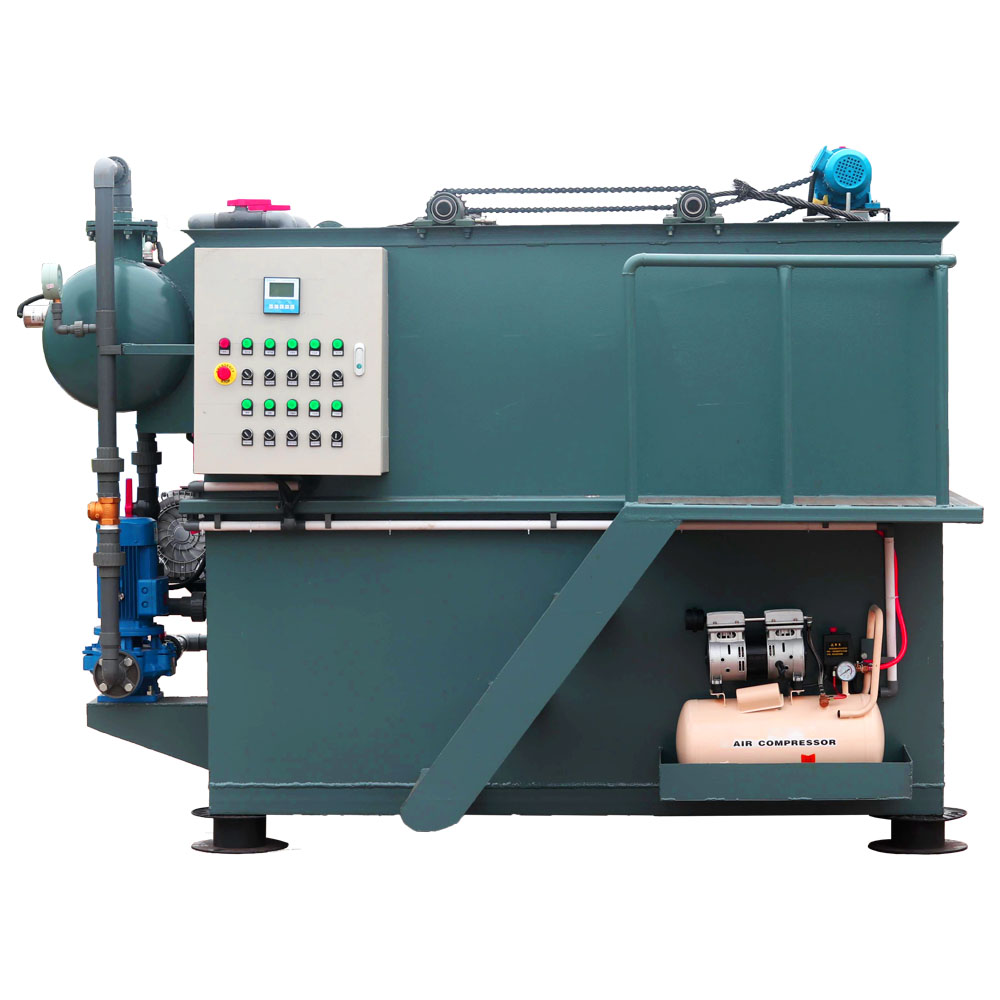
2.5 Air flotation (suitable for oily and fine suspended solids): Improves removal efficiency
3. Advanced treatment
3.1 Biological treatment: If organic matter is high (COD > 500 mg/L), hydrolysis acidification + 3.1 Contact oxidation or MBR membrane bioreactor
3.2 Advanced oxidation (e.g., ozone, Fenton): Degrading recalcitrant organic matter
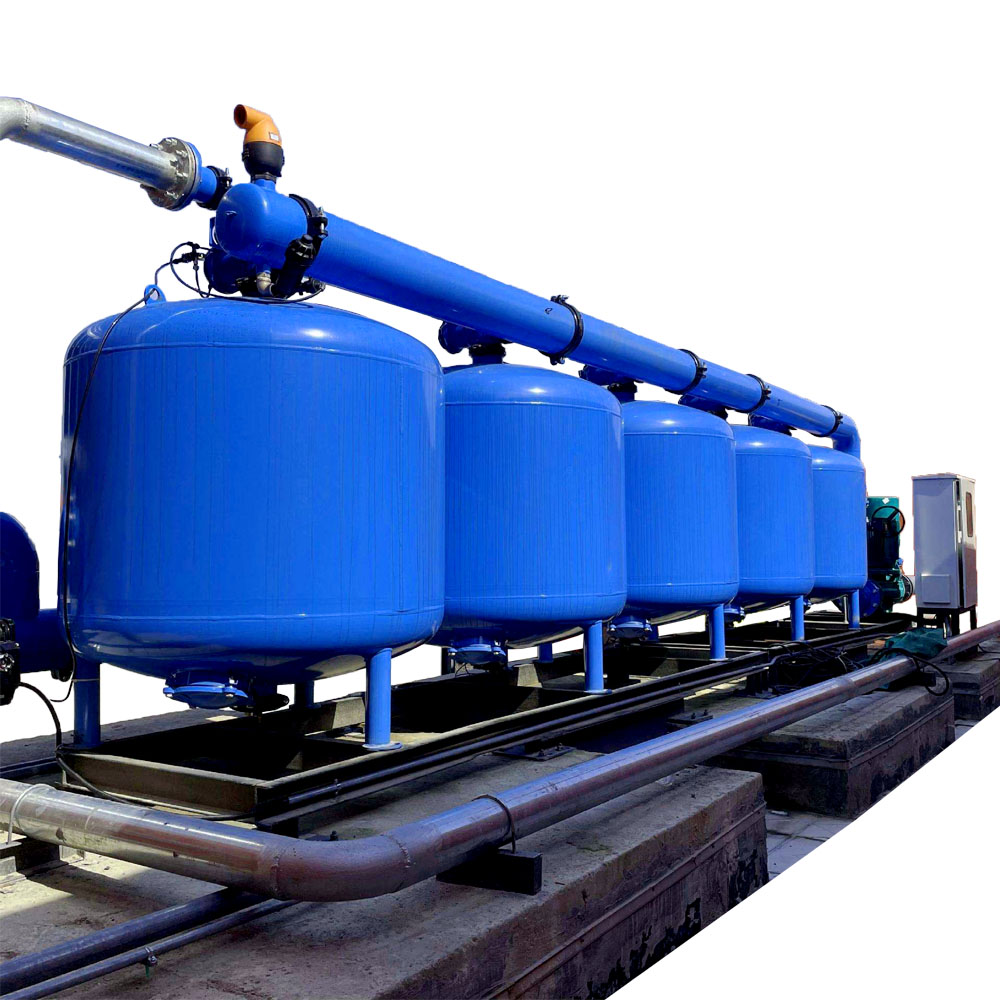
3.3 Membrane separation: Ultrafiltration (UF) + Reverse osmosis (RO) ensures effluent reuse standards
4. Reuse and resource recovery
4.1 Effluent can be used for raw material cleaning, cooling water replenishment, etc., with a reuse rate of 80%–90%.
4.2 After dewatering, sludge is disposed of in a safe landfill or utilized for resource recovery, depending on its composition.