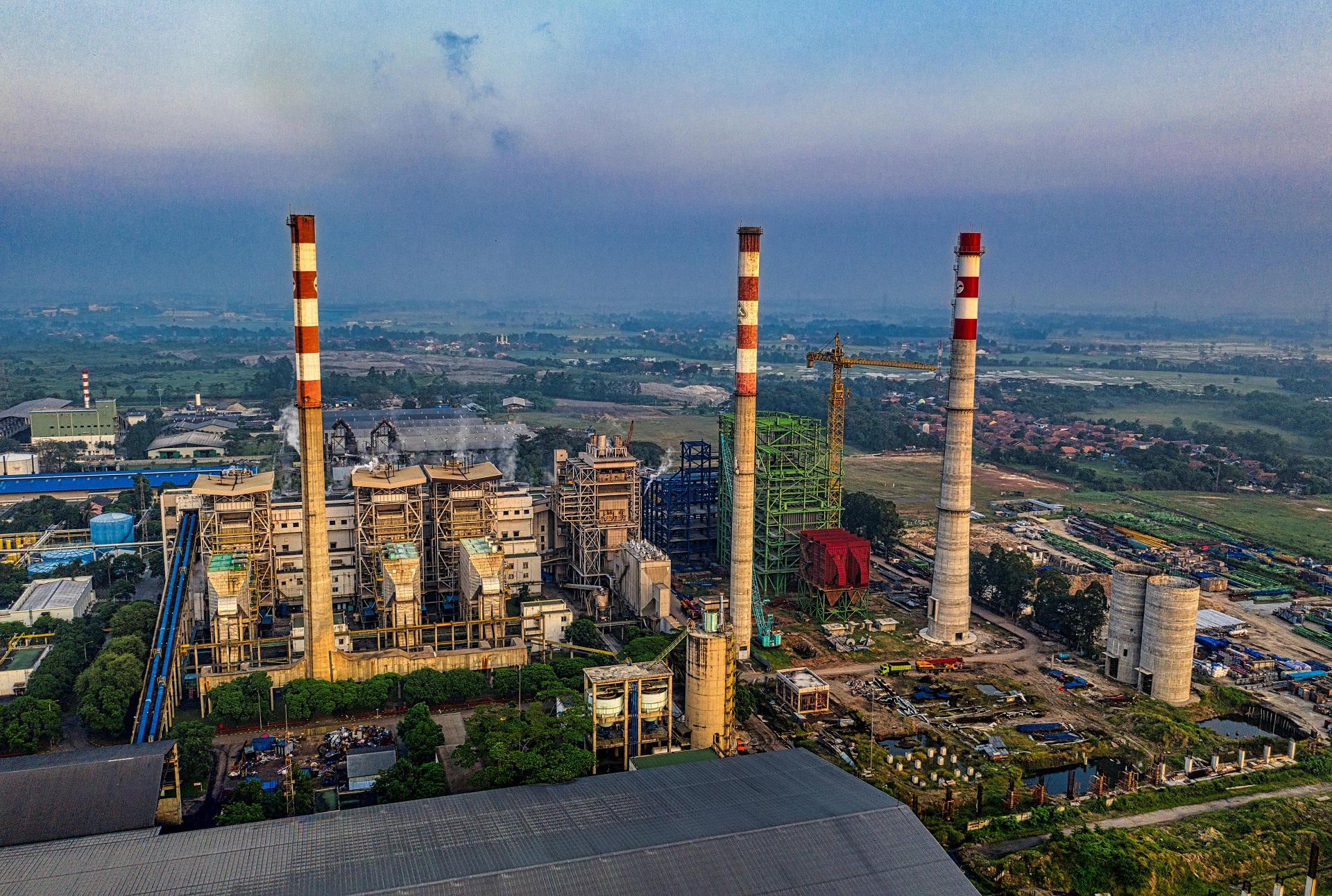
Fluoride-containing wastewater is generated in many industrial production processes, such as the smelting of non-ferrous metals and rare metals, stainless steel pickling, pesticides, aluminum electrolytic refining, etc. in traditional industries, as well as organic chemical synthesis, electronics industry, and atomic energy industry in modern chemical industry. According to the “Comprehensive Wastewater Discharge Standard”, the first-level standard requires that the fluoride discharge concentration is less than 10mg. From the current treatment methods of fluoride-containing wastewater, the most widely used are precipitation method and adsorption method.
1. Precipitation method
1.1 Chemical precipitation method The principle of chemical precipitation method for treating fluoride-containing wastewater is to separate fluoride from water by adding some precipitates that can react chemically with fluoride ions in the wastewater and produce precipitates that are insoluble in water. Commonly used precipitants in chemical precipitation method include lime, carbide slag, and calcium chloride.
1.1.1 Lime precipitation method
Lime precipitation method is an important method for treating high-concentration fluoride-containing wastewater. The calcium ions produced after the dissolution of limestone can react with fluoride ions in water to generate calcium fluoride that is insoluble in water, thereby removing fluoride from water.
1.1.2 Carbide slag precipitation method When producing polyethylene through the calcium carbide method, waste slag will be generated. This waste slag is generated by the reaction of calcium carbide and water. It is not only cheap but also easy to obtain. It is precisely because of this feature that the calcium carbide slag precipitation method is widely used in the actual treatment of fluoride-containing water.
1.1.3 Calcium chloride method
The principle of calcium chloride method is similar to lime precipitation method, but calcium chloride has high solubility and can be added to wastewater in solution state to react more fully with fluoride ions in water. It has the advantages of less solid slag, less dust from dosing, and simple and convenient operation. Its disadvantage is that it is more expensive than calcium hydroxide, and the cost is higher when treating high-concentration fluoride-containing wastewater.
1.2 Coagulation precipitation method
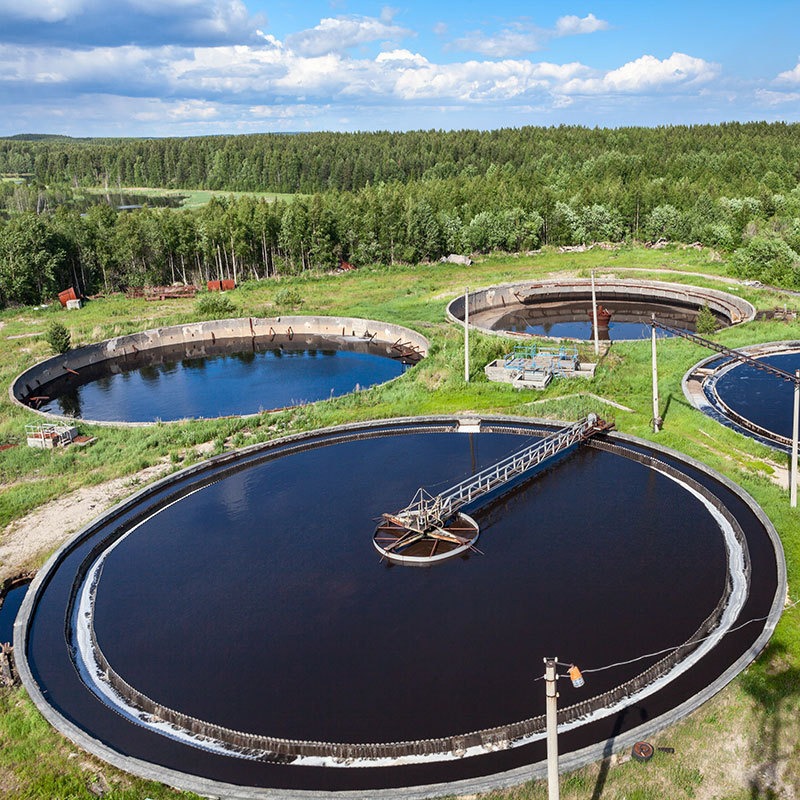
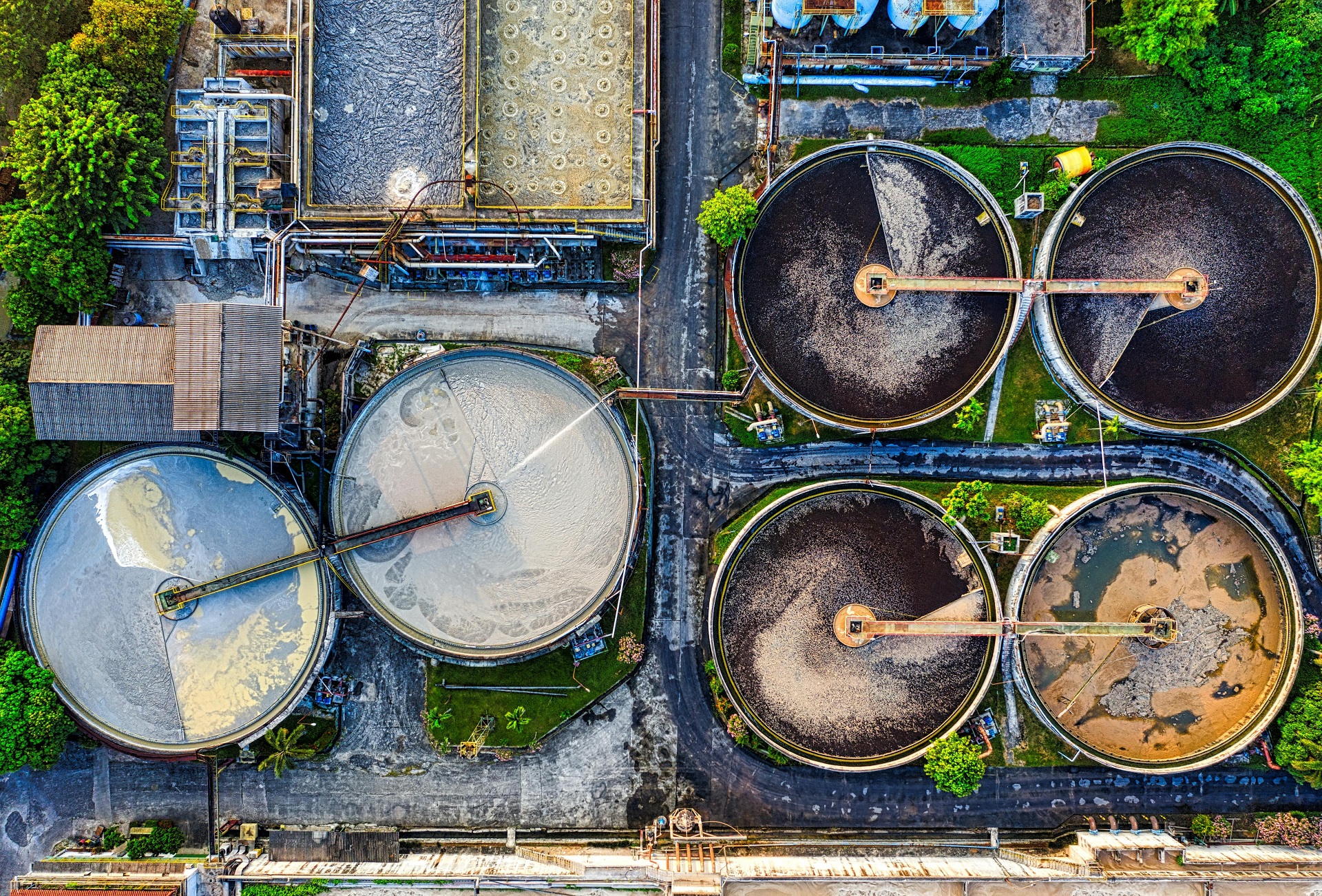
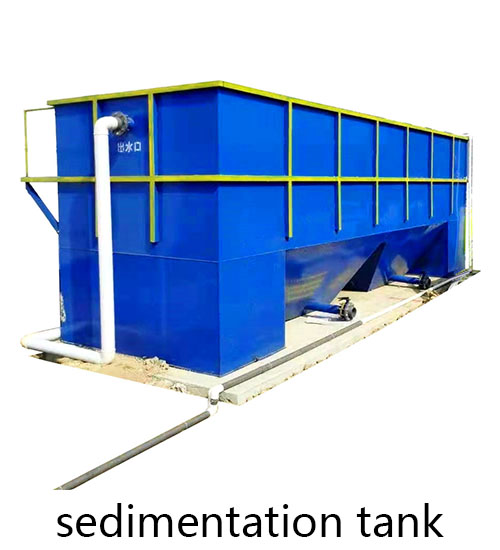
Coagulation precipitation method is a method of removing fluoride from water by adding substances with coagulation ability or capable of precipitating with fluoride to fluoride-containing wastewater, so that the fluoride in the wastewater generates a large amount of colloids and insoluble substances, and then removes fluoride from the water body by precipitation and mud-water separation.
Compared with chemical precipitation method, coagulation precipitation method not only requires less dosage of drugs, but also has a larger treatment volume. After one treatment, the fluoride concentration can be less than 10mg.
The disadvantage is that when treating high-concentration fluoride-containing wastewater, the cost is relatively high because a large amount of coagulant needs to be used.
Therefore, the chemical precipitation method and coagulation sedimentation method are usually used in combination. The fluoride concentration in the wastewater is first reduced by chemical precipitation, and then a coagulant is added for sedimentation and adsorption to make the wastewater meet the discharge standards.
1.2.1 Inorganic coagulants
Inorganic coagulants mainly include aluminum salts and iron salts. The hydroxide sulfoxide produced by the hydrolysis of these two salts can adsorb fluoride ions. In addition, A13+ and Fe3+ can react with fluoride ions to achieve the effect of removing ions.
1.2.2 Organic coagulants
Polyacrylamide (PAM) is a water-soluble polymer with very good flocculation. There are three main types of PAM used in water treatment, namely non-ionic, anionic and cationic. The appropriate type of PAM agent is selected according to the pH of the wastewater. In addition to PAM, chitosan, acrylamide-modified chitosan, lignin, etc. also have very good fluoride removal effects.
2. Adsorption method
The adsorption method uses porous solid adsorbents to adsorb fluoride ions to its surface by molecular attraction or chemical bond force, and then desorbs by adding appropriate solvents, heating, etc., so as to achieve separation and enrichment. Adsorbents mainly include artificial synthetic and natural adsorbents.
2.1 Artificial synthetic adsorbents
Artificial synthetic adsorbents mainly include activated alumina, activated magnesium oxide, ion exchange resins and activated carbon.
2.1.1 Activated alumina
This is a white granular porous adsorbent with a large specific surface area. Its application in wastewater defluoridation has the advantages of relatively low price, good effect and simple operation. It can adsorb anions when the pH of water is less than 9.5. If the pH of water is greater than 9.5, it will adsorb cations. Therefore, it will adsorb anions in acidic solutions and has a strong selectivity for fluoride ions.
2.1.2 Activated magnesium oxide
Activated magnesium oxide has a good defluoridation effect under the condition of pH=5~8. The adsorption capacity of activated magnesium oxide can reach 14 mg/g, and after desorption treatment, its capacity can reach about 6 mg/g. The defluorination effect and cost are also lower than the simple activated magnesium oxide method, but the disadvantage is that the treatment cycle is relatively long and regeneration is more difficult.
2.1.3 Activated carbon
Activated carbon is made of carbon as raw material, through high-temperature carbonization and activation. It has a large number of micropores and a large specific surface area. Modification of activated carbon can improve its defluorination ability. Activated carbon defluorination has the advantages of short adsorption time, low cost, high efficiency, easy regeneration and no effect on water quality. The disadvantage is that it is greatly affected by pH.
2.1.4 Ion exchange resin
Ion exchange resin is an insoluble polymer compound with ion exchange active functional groups and a network structure. By modifying it to load metal ions, the adsorption capacity of the resin can be improved. The application of ion exchange resin has the advantages of large processing capacity, strong regeneration ability, large adsorption capacity and good economy, but the disadvantage is that the storage conditions required for ion exchange resin are relatively strict and the one-time investment is large.
2.2 Modification of natural adsorbents
2.2.1 Modified zeolite
Zeolite is actually a general term for zeolite minerals. Its essence is a kind of aluminum silicate mineral containing water of alkali metal or alkaline earth metal. Modification of zeolite can effectively improve its adsorption capacity. The application of modified zeolite to treat fluoride-containing wastewater not only has the advantages of low cost and renewability, but also can reduce the total hardness and chromaticity of raw water. The disadvantage is that its adsorption effect is general.
2.2.2 Modified bentonite
Bentonite is a substance containing silicate structure, and montmorillonite is its most important component. The structure of montmorillonite is a layered structure composed of octahedrons, which makes it have good swelling, adsorption and ion exchange properties. Modified bentonite has good fluoride removal performance, and its price is relatively low, and the material source is wide. The disadvantage is that its adsorption effect is general.
2.2.3 Modified diatomite
The main component of diatomite is SiO2. The characteristics of diatomite are that it has a microporous structure, high porosity, large comparative area and adsorption capacity. Modification of diatomite can further increase its specific surface area, reduce its bulk density, and allow alkali metals or alkaline earth metals to bind to the surface of diatomite, which can more efficiently adsorb fluoride ions and improve the removal rate of fluorine. Modified diatomite is a good wastewater defluorination purifier. It is very stable in treating sewage, has limited secondary pollution, has good recycling and reuse capabilities, and is relatively low in price, which makes it widely used in actual wastewater removal.
3. Conclusion
Currently, precipitation and adsorption are the main methods for treating fluoride-containing wastewater. Among them, precipitation can be divided into chemical precipitation and coagulation precipitation. Chemical precipitation is widely used in industrial wastewater treatment, with the advantages of simple method, low cost and good effect; while coagulation precipitation is mainly used in the treatment of low-concentration fluoride-containing wastewater, with the advantages of small amount of drugs required and large treatment volume, and it can meet the discharge standard after one treatment. Therefore, chemical precipitation is usually used to reduce the fluoride concentration in high-fluoride wastewater, and then coagulation precipitation is used to treat it again to meet the discharge standard. Adsorption is suitable for deep treatment of fluoride-containing wastewater with small influent and low concentration.