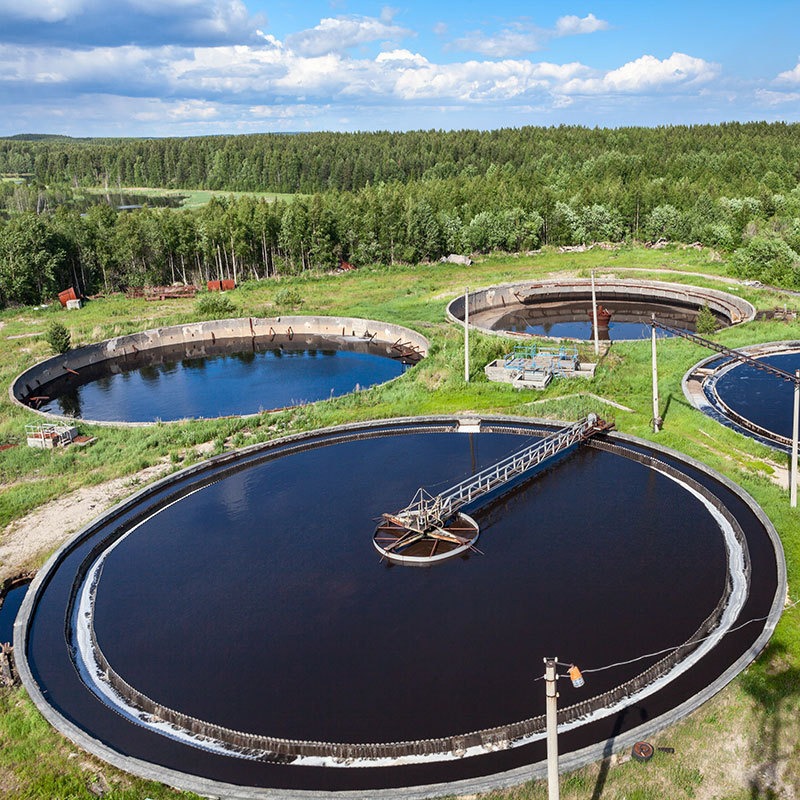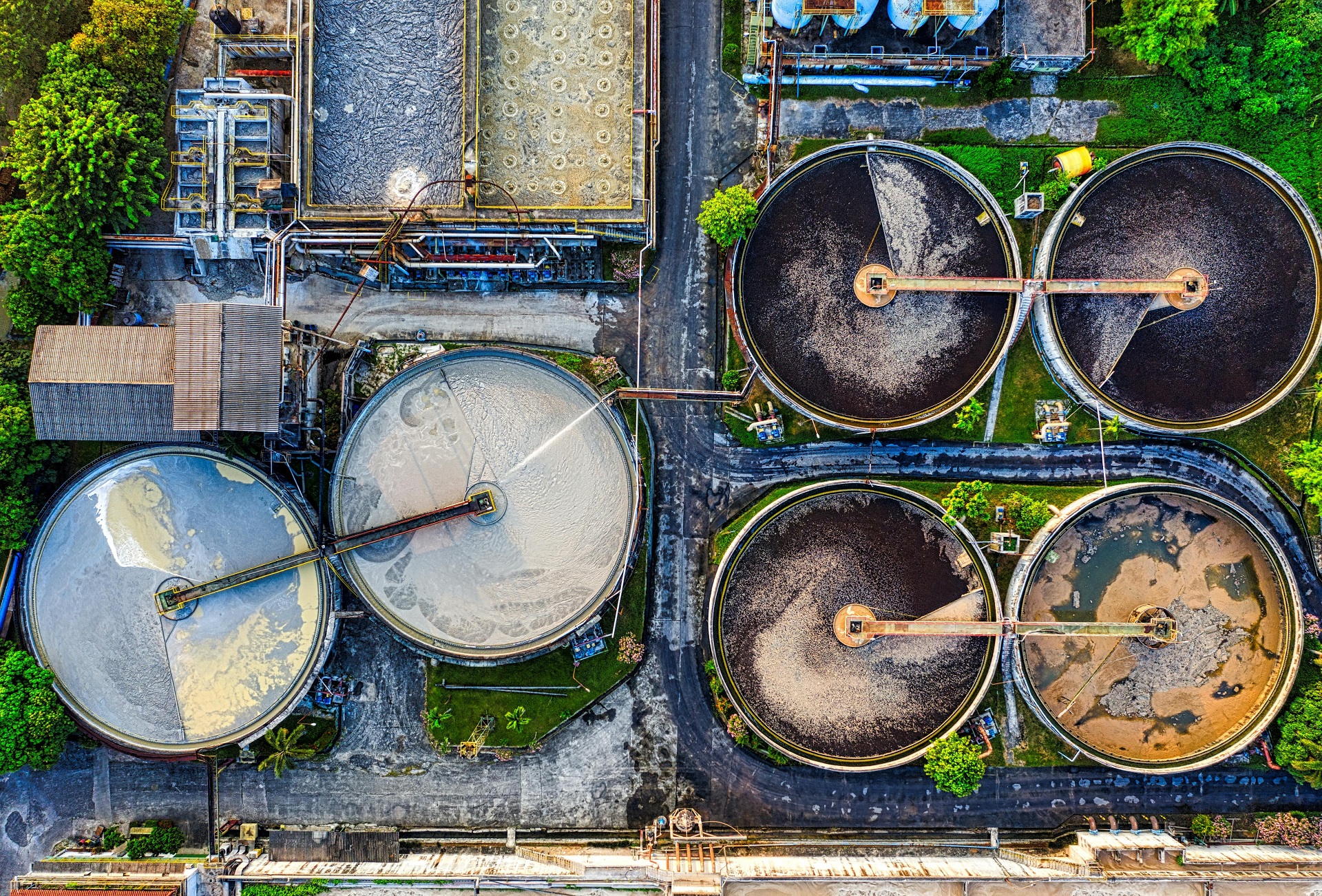
Wastewater treatment requires comprehensive consideration of water quality characteristics, treatment objectives, economic costs, and environmental impacts.
1. Factors to consider based on wastewater source include:
1.1 Water Quality Characteristics
Domestic wastewater: Its composition is stable (including carbohydrates, proteins, ammonia, phosphorus, etc.), and treatment processes are mature. Pretreatment (screens, grit chambers) and biological treatment (activated sludge, biofilm) are primarily used.
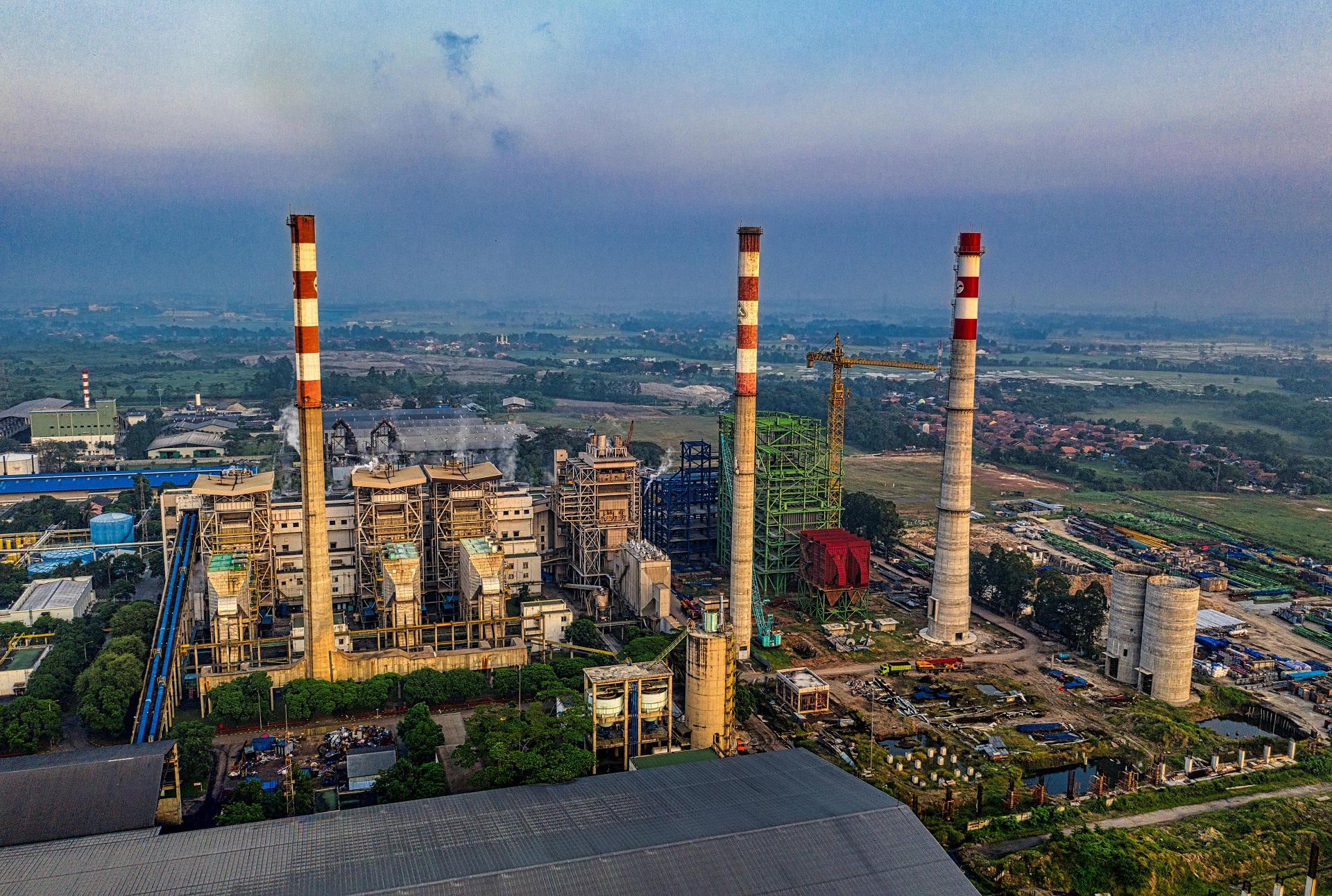
Industrial wastewater: Its composition is complex and variable (e.g., electroplating wastewater contains heavy metals, chemical wastewater contains organic pollutants), requiring process selection tailored to the specific industry (e.g., acid-base neutralization, biodegradation, or chemical precipitation).
1.2 Treatment Objectives
Domestic wastewater: Its primary goal is to remove organic matter and pathogens, with effluent BOD5 and SS levels reduced to below 20 mg/dL.
Industrial wastewater: Its treatment targets must meet discharge standards (e.g., COD < 50 mg/dL, ammonia < 15 mg/dL) or reuse requirements (e.g., landscape irrigation requires more stringent standards).
1.3 Economic Costs
Construction and Operation Costs: Due to the greater difficulty in treating industrial wastewater, equipment investment and operation and maintenance costs are generally higher than those for domestic wastewater. Land Occupancy: Industrial wastewater requires larger regulating tanks and advanced treatment facilities, while domestic wastewater can be treated centrally to reduce costs.
1.4 Environmental Impact
Secondary Pollution: Industrial wastewater may generate waste gas (e.g., organic matter volatilization during aeration) and heavy metal contamination in sludge, requiring complementary treatment measures.
Temperature and pH Adjustment: Industrial wastewater may cause sudden pH shifts (e.g., due to acid rain), requiring the addition of neutralizers and increasing treatment complexity.
1.5 Construction and Operation
Domestic Wastewater: The process is mature, and the construction difficulty is relatively low.
Industrial Wastewater: Consider the equipment’s ability to withstand shock loads (e.g., electroplating wastewater experiences large fluctuations) and ensure low-temperature operation (anti-freeze measures are required in northern regions). 2. Factors to consider based on the wastewater treatment process include:
2.1 Pollutant characteristics: Suspended solids, color, organic matter concentration, etc. directly influence the pretreatment method;
2.2 Compatibility with subsequent processes: For example, biochemical treatment requires pretreatment to reduce suspended solids and inhibitory substances.
2.3 Economic efficiency: Physical and chemical methods such as coagulation and flotation have low initial investment, but chemical agents may increase operating costs;
2.4 Environmental requirements: Processes such as acidification and demulsification may generate acidic wastewater, requiring corresponding neutralization measures.