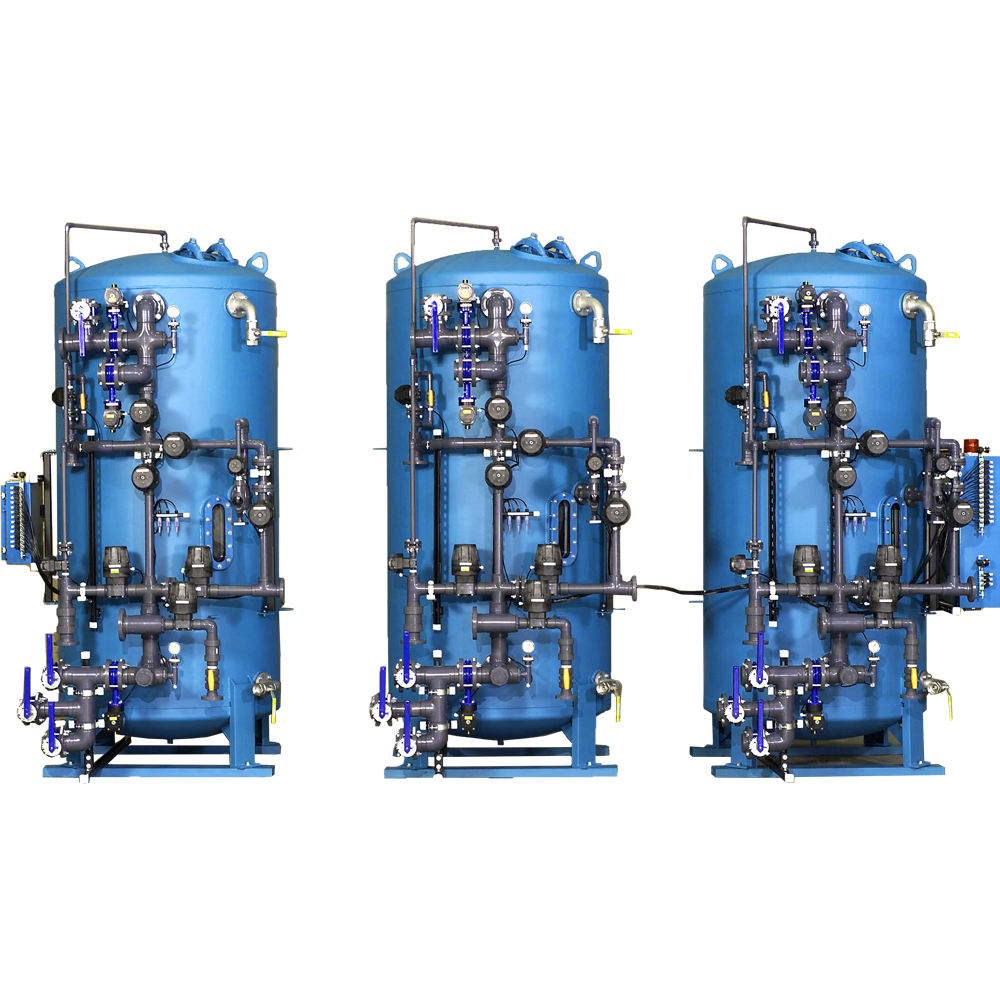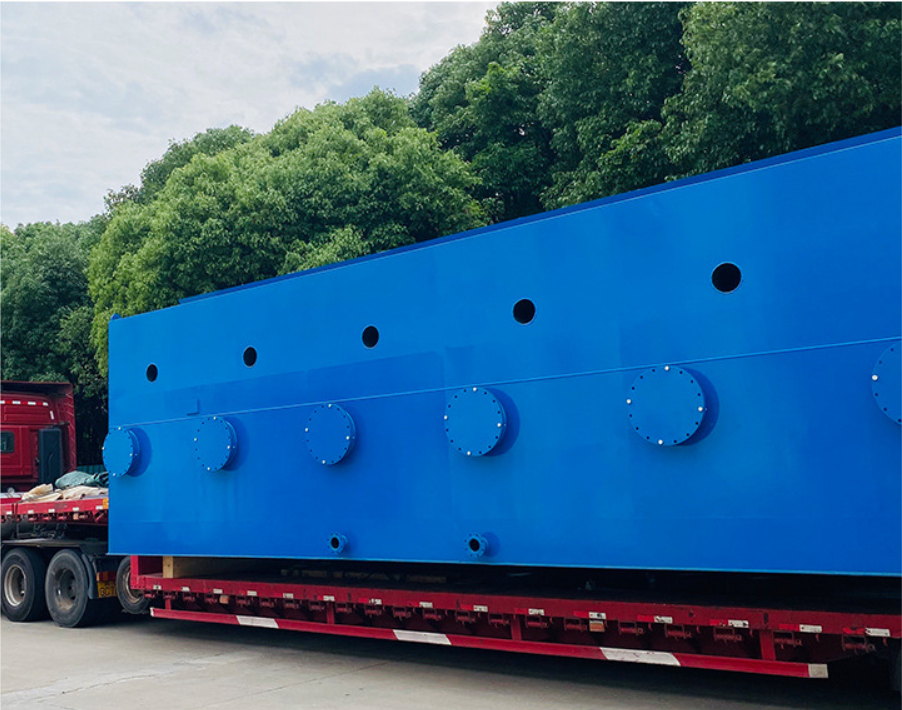
The basic components of the hydrolysis acidification system can be divided into three categories: core tank body, process supporting equipment, and auxiliary facilities. Each part works together to ensure the stable and efficient operation of the system.
1、 Core pool unit
Pool structure: mostly adopts rectangular or circular design, with an economic height controlled at 4-6m. It can be divided into grids to improve water distribution uniformity and facilitate operation and maintenance.
Functional zoning: The interior is divided from top to bottom into a clear water layer, a reaction zone, and a sludge bed zone, achieving full contact between sludge and water and natural separation of solid and liquid.
2、 Core process supporting equipment
Water distribution system
The mainstream uses multi-point water distributors and pulse water distribution devices, and common water distribution methods include one pipe one hole, one pipe porous, and branched water distribution.
Realize uniform distribution of wastewater, avoid short flow and treatment dead corners, and enhance mass transfer effect with hydraulic stirring.
Biological packing system
Choose fixed bed flat plate packing materials that have a large specific surface area and fast film formation speed, providing sufficient attachment carriers for hydrolytic acidification bacterial communities.
Significantly increase the sludge concentration and age of the system, and enhance the efficiency of biochemical reactions.
Water collection device
We often use triangular outflow weirs on the surface of the pool water to collect and treat the effluent evenly, ensuring stable water quality.
Sludge discharge system
The sludge discharge point is set in the middle and upper part of the sludge area, and the sludge is discharged 1-2 times a day to discharge low activity sludge and retain high activity core bacterial communities.
3、 Auxiliary supporting facilities
Inlet system: responsible for stably transporting the wastewater to be treated to the water distribution unit, regulating the inlet flow rate and water quality.
Reflux/Mixing Device: Only compatible with the fully mixed hydrolysis acidification system, achieving complete mixing of sludge and water through mixing. After the subsequent separation of sludge and water in the sedimentation tank, the sludge is refluxed to the front end of the tank.
Other supporting facilities: including online monitoring instruments such as pH and ORP, as well as conventional auxiliary facilities such as pipelines and valves, to ensure controllable system operating parameters.