There are many methods for treating aquaculture wastewater, which can generally be categorized into four main types: biological treatment, physical treatment, chemical treatment, and natural treatment.
1. Biological Treatment: This method uses the metabolic activity of microorganisms to transform organic pollutants in solution, colloid, and finely suspended states in wastewater into stable, harmless substances. Depending on the microorganisms involved, biological treatment can be further divided into aerobic biological treatment and anaerobic biological treatment. Aerobic biological treatment is widely used, and according to its process, it is further divided into activated sludge and biofilm methods. Anaerobic biological treatment, also known as biological reduction treatment, is mainly used to treat high-concentration organic wastewater and sludge.
2. Physical Treatment: This method uses physical processes to separate and recover insoluble suspended pollutants (including oil films and oil droplets) from wastewater. It can be divided into gravity separation, centrifugal separation, and filtration. Gravity separation methods include sedimentation and flotation (air flotation). Centrifugation is itself a treatment unit. Screening methods include screen retention and filtration.
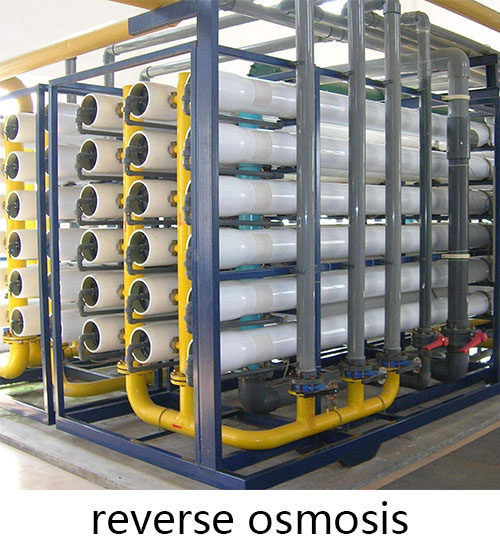
3. Chemical Treatment Methods: These methods separate and remove dissolved or colloidal pollutants from wastewater or convert them into harmless substances through chemical reactions and mass transfer. Chemical treatment units based on chemical reactions include coagulation, neutralization, and oxidation-reduction; while units based on mass transfer include extraction, stripping, stripping, adsorption, ion exchange, electrodialysis, and reverse osmosis.
4. Natural Treatment Methods: These methods utilize the self-purification principles of nature (natural water bodies, soil, etc.) to treat wastewater. They include land treatment systems and aquatic plant treatment systems. Common examples include biological ponds, soil treatment methods, and constructed wetland treatment methods.