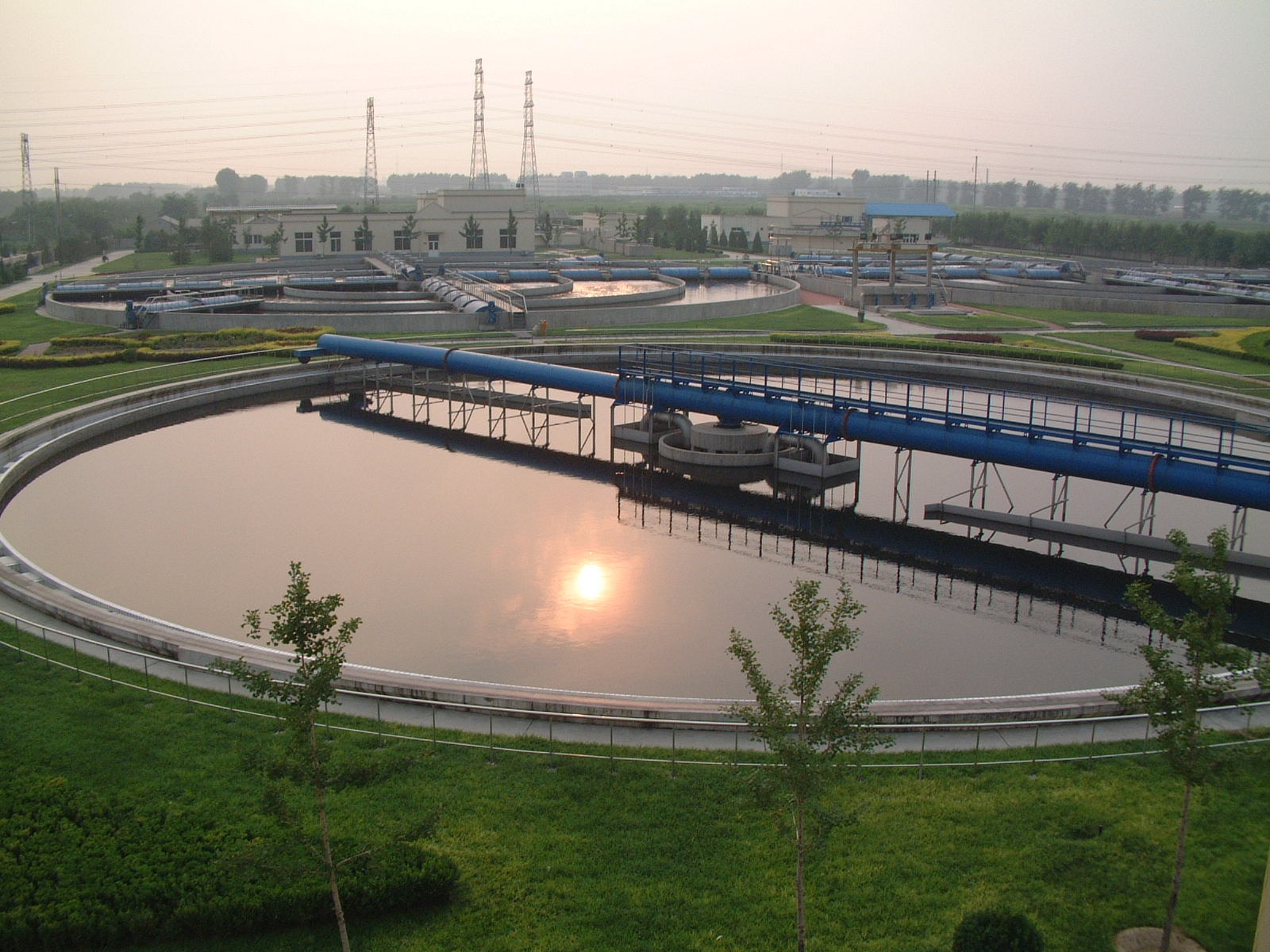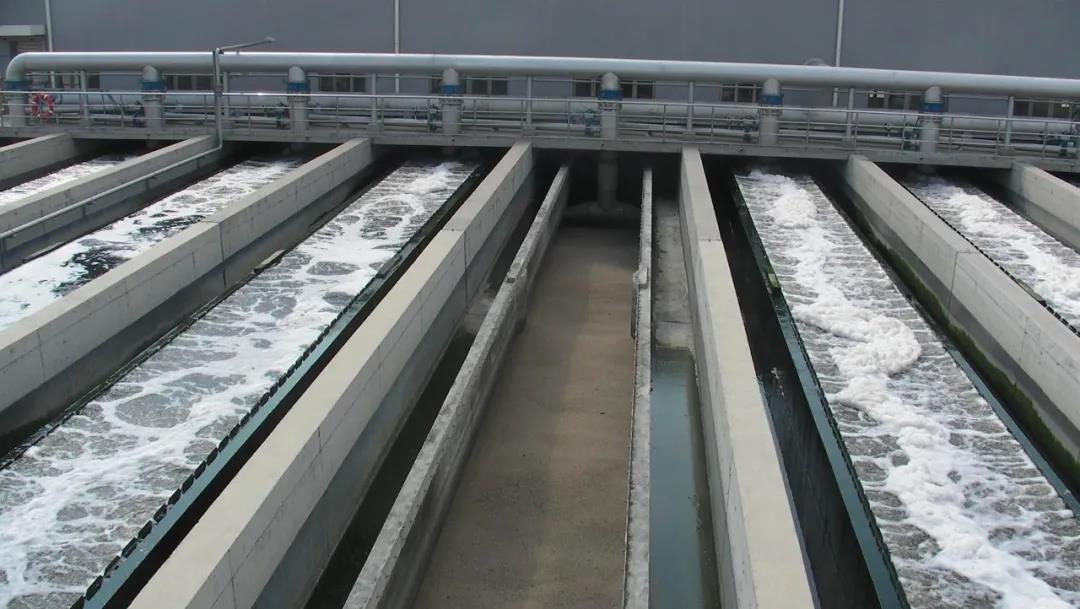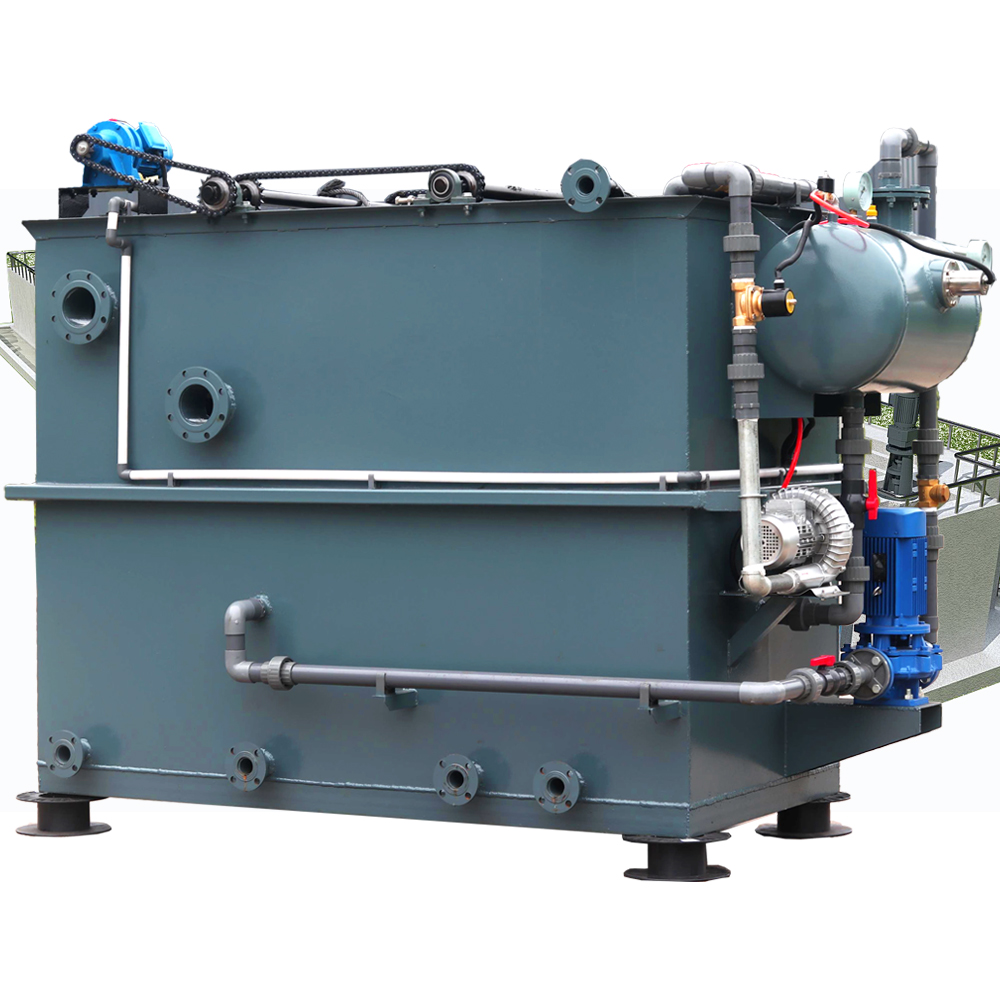
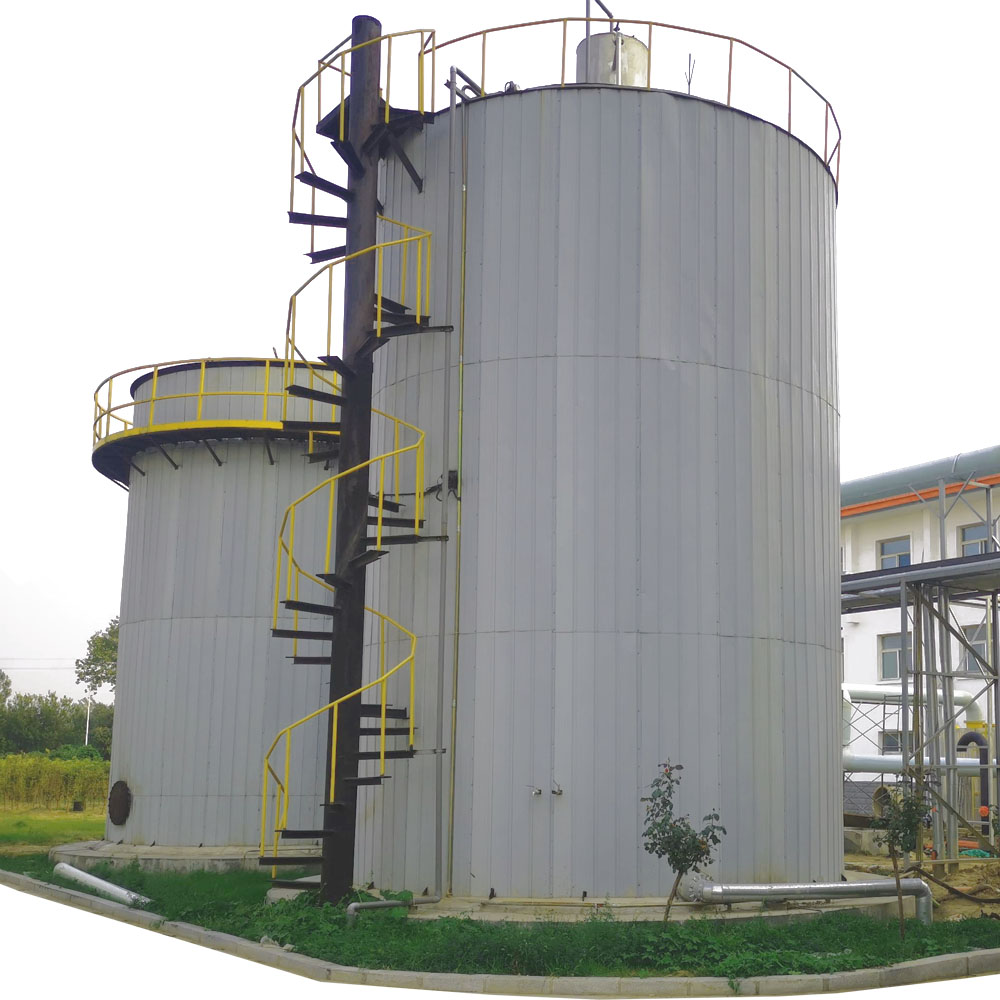
Treatment methods include: activated sludge process, bio-enhanced technology, supercritical water oxidation, etc. These methods aim to reduce wastewater generation at its source, eventually reaching zero, which is known as coking wastewater reduction technology. Specifically:
1. Crude benzene separation water:
Treatment method: negative pressure distillation. This lowers the boiling point of benzene, saving heat; however, it also uses hot circulating oil for heating, reducing wastewater generation.
2. Quenching wastewater:
Treatment method: dry quenching technology. Inert gas is used instead of water to quench red-hot coke, reducing water consumption by 0.5 t/ton of coke.
3. Ammonium sulfate wastewater:
Treatment method: recovery and utilization of condensate from the final cooling process of coking plant gas. The soft water replenished in the ammonium sulfate process ultimately exists as residual ammonia water. Utilizing the condensate from the final cooling process of coking plant gas to replace the soft water replenishment outside the saturator can reduce the load on the disposal of residual ammonia water from coking gas.
4. Hydrogen stripping wastewater:
Treatment method: heat transfer oil ammonia stripping technology. By using heat transfer oil at around 270℃, part of the wastewater discharged from the ammonia stripping tower is heated into steam for ammonia stripping, replacing direct steam ammonia stripping and reducing water consumption by 0.3t/ton of coke.