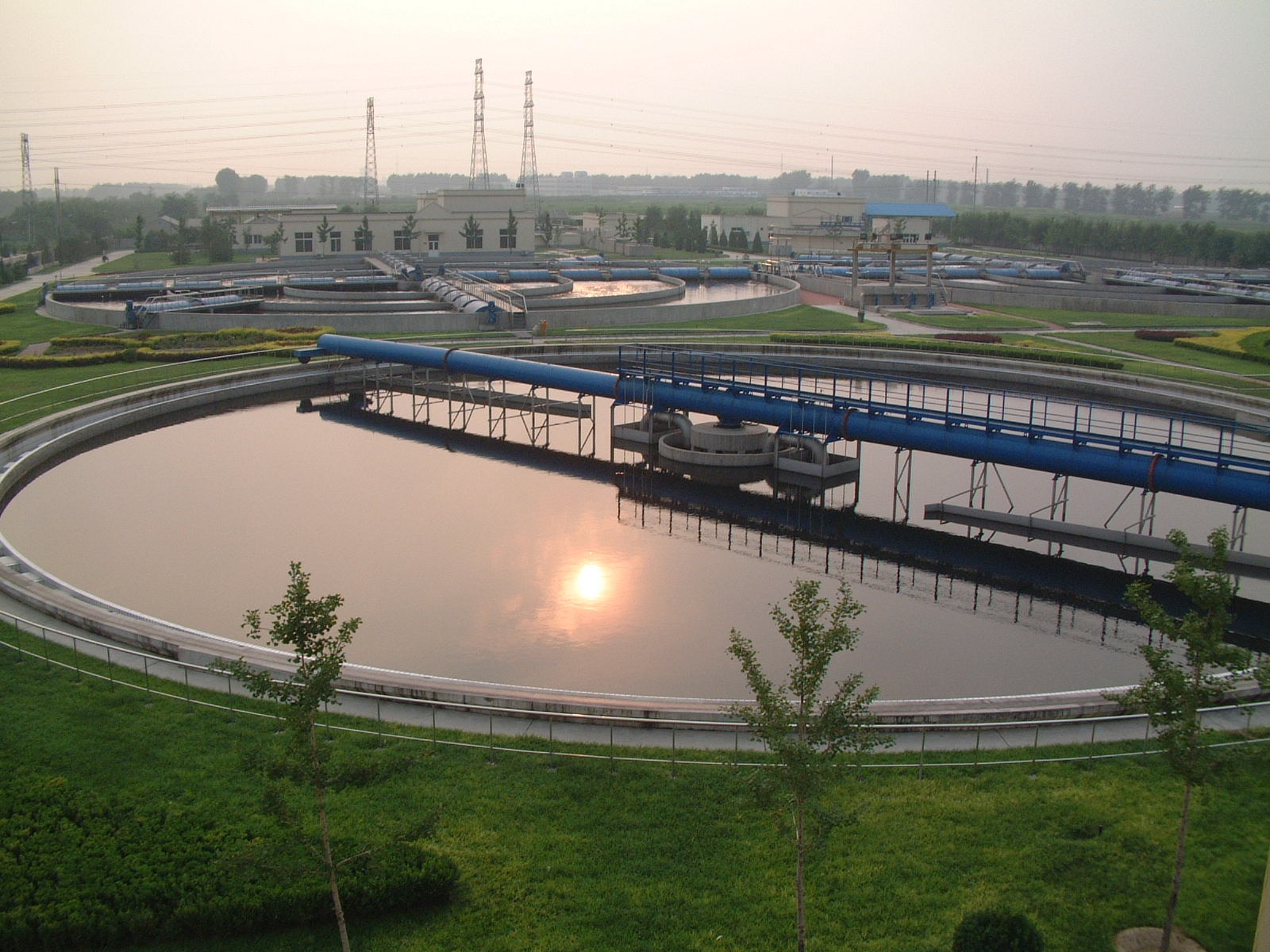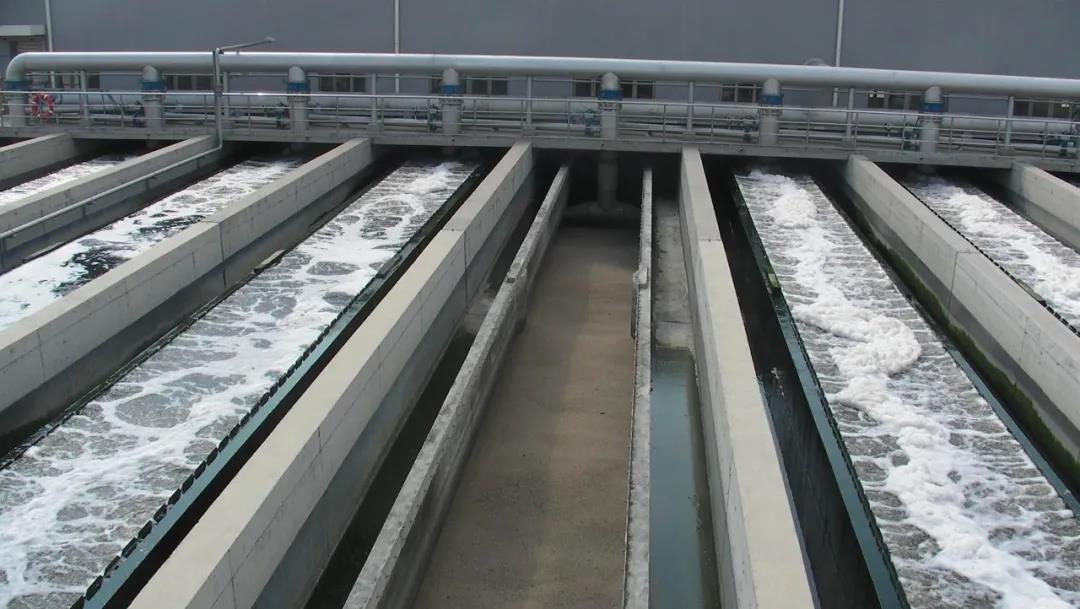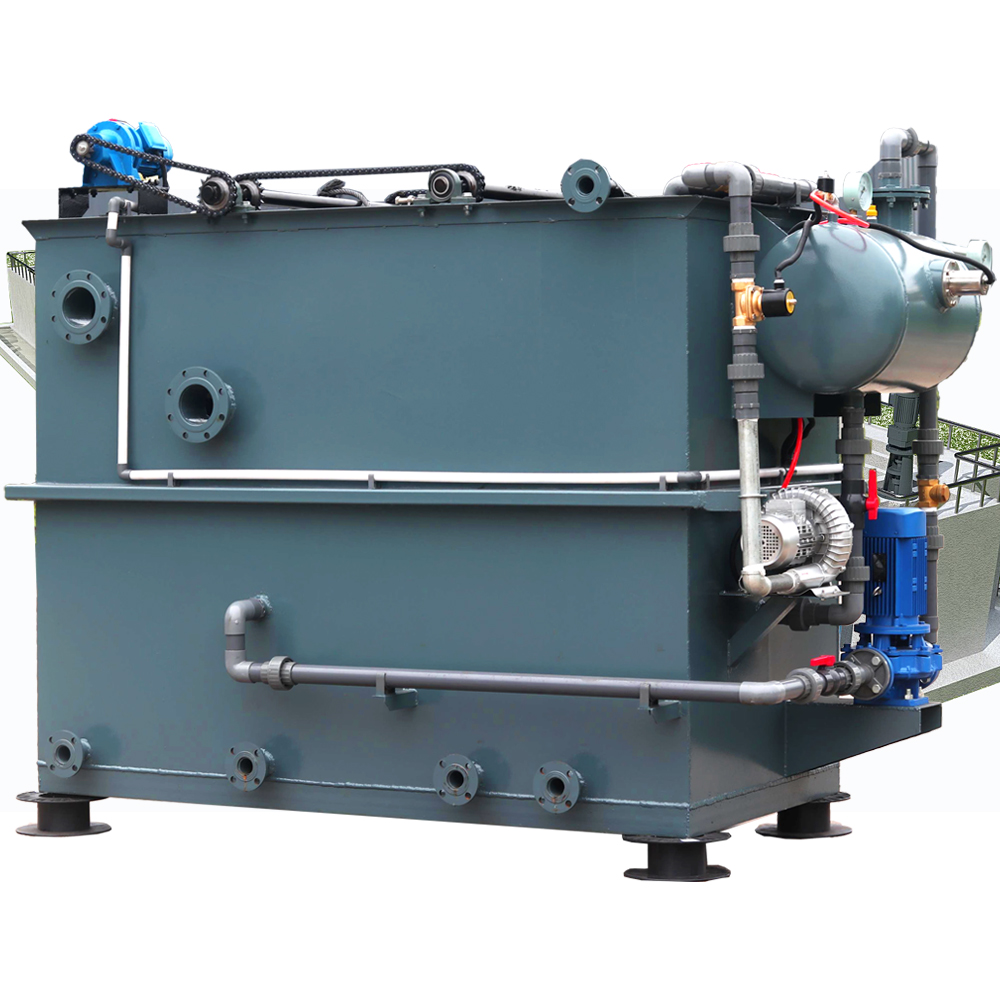
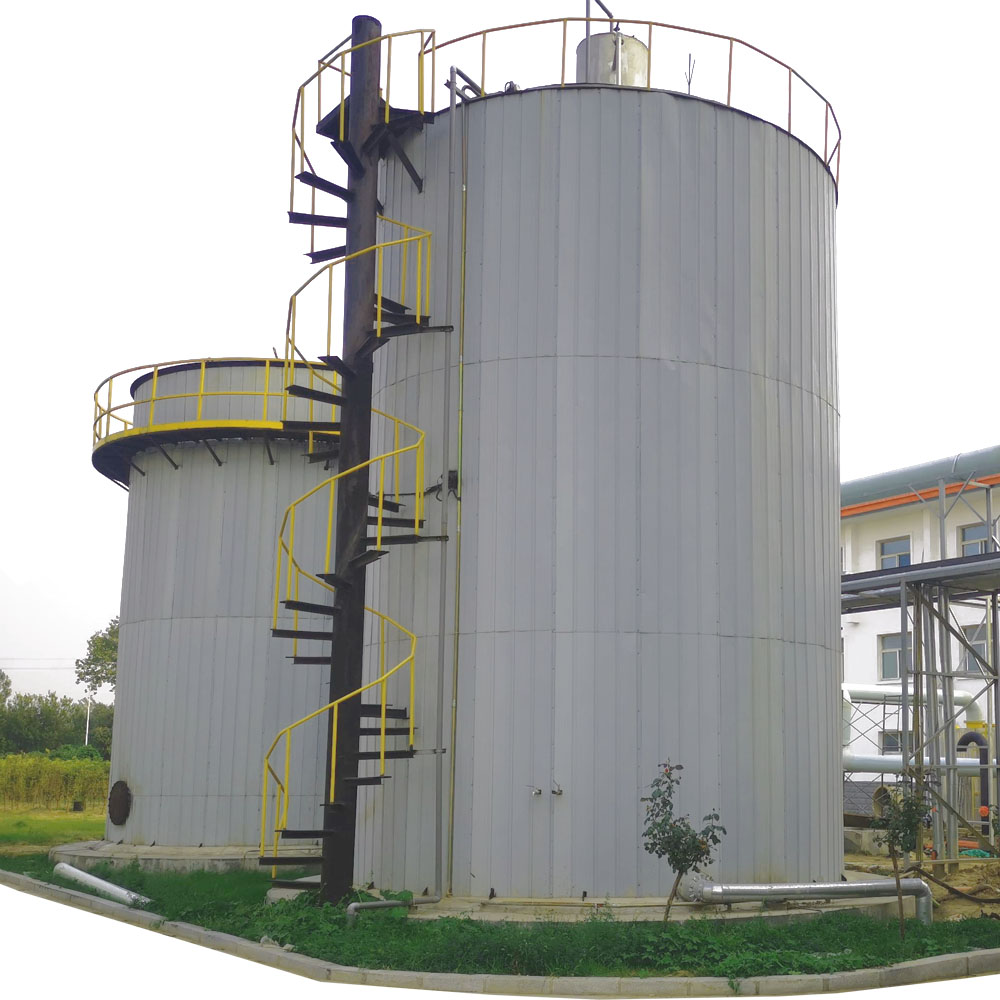
The A2O process primarily uses biological tanks with aeration devices, propellers (anaerobic and anoxic sections), and reflux. The channel layout is divided into anaerobic, anoxic, and aerobic tanks.
An anaerobic tank is a reaction tank without dissolved oxygen or nitrates. Hydrolysis, acidification, acetic acid production, and methanation occur simultaneously to remove COD.
Anaerobic treatment requires controlling dissolved oxygen below 0.2 mg/L. It utilizes anaerobic bacteria to remove organic matter from wastewater and typically requires a longer treatment time.
Anoxic tanks are reaction tanks without dissolved oxygen but containing nitrates. In denitrification processes, they primarily function to remove nitrate nitrogen through denitrification while also removing some BOD. They also play a role in hydrolysis to improve biodegradability.
An aeration devices should be installed in the anoxic tank to control dissolved oxygen at 0.2-0.5 mg/L. Facultative anaerobic microorganisms and biofilms are used to degrade organic matter in the wastewater. Careful selection of aerators in the contact oxidation tank is crucial, ensuring both adequate oxygen supply and facilitating biofilm detachment and renewal.
The aerobic tank maintains a dissolved oxygen content of approximately 2 mg/L through aeration and other measures. It is a structure suitable for the growth and reproduction of aerobic microorganisms, thereby treating pollutants in the water.
The function of the aerobic tank is to allow activated sludge to undergo aerobic respiration, further decomposing organic matter into inorganic matter and removing pollutants. Optimal control of oxygen content and other microbial requirements is essential to maximize the efficiency of aerobic respiration.
In the A20 process, BOD5, SS, and phosphorus in various forms will be removed. The activated sludge in the A20 biological nitrogen and phosphorus removal system mainly consists of nitrifying bacteria, denitrifying bacteria, and polyphosphate-accumulating bacteria.
Nitrogen removal: In the aerobic section, nitrifying bacteria convert ammonia nitrogen and organic nitrogen hydrogenated in the influent into nitrate through biological nitrification; in the anoxic section, denitrifying bacteria convert nitrate brought in by the internal recirculation into nitrogen gas through biological denitrification, which escapes into the atmosphere, thereby achieving the purpose of nitrogen removal.