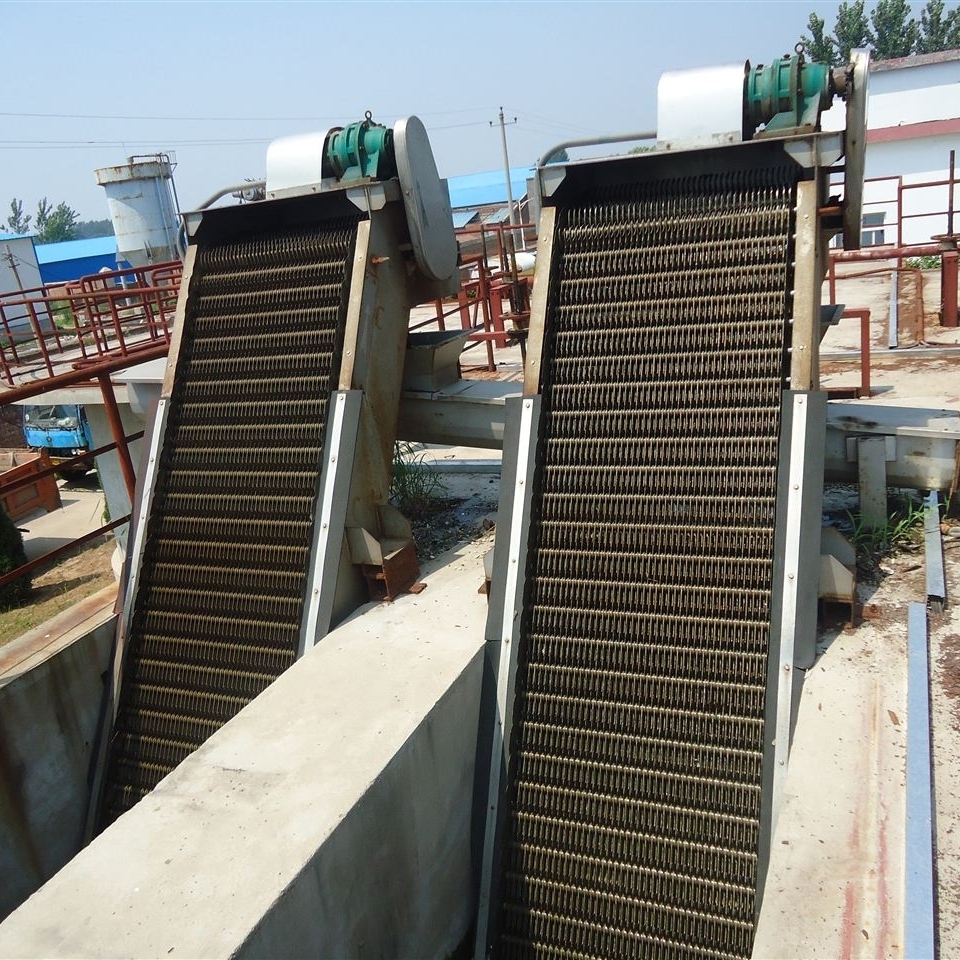
1. Screen Scrubber: Used to intercept large floating particles (such as plastic and paper scraps) in sewage, preventing clogging of subsequent equipment and ensuring the normal operation of the treatment system.
2. Grit Chamber: Removes grit and inorganic matter from sewage through gravity separation, reducing the load on subsequent treatment. Common types include horizontal flow and aeration.
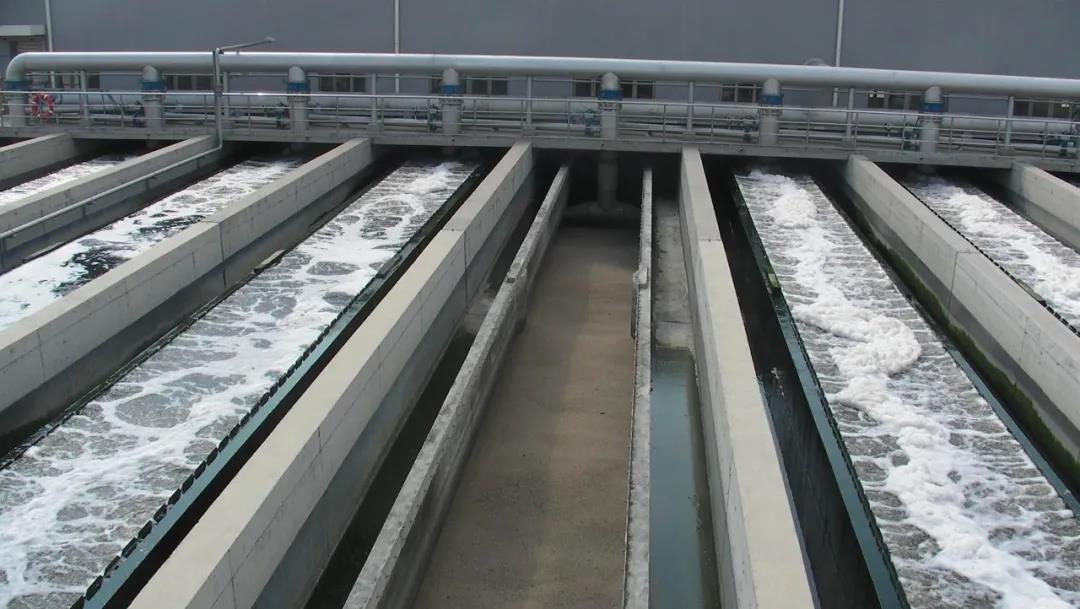
3. Aeration Device: Promotes the degradation of organic matter by microorganisms in sewage, accelerates the growth of activated sludge through oxygenation, and regulates dissolved oxygen concentration (typically controlled at 2-4 mg/L).
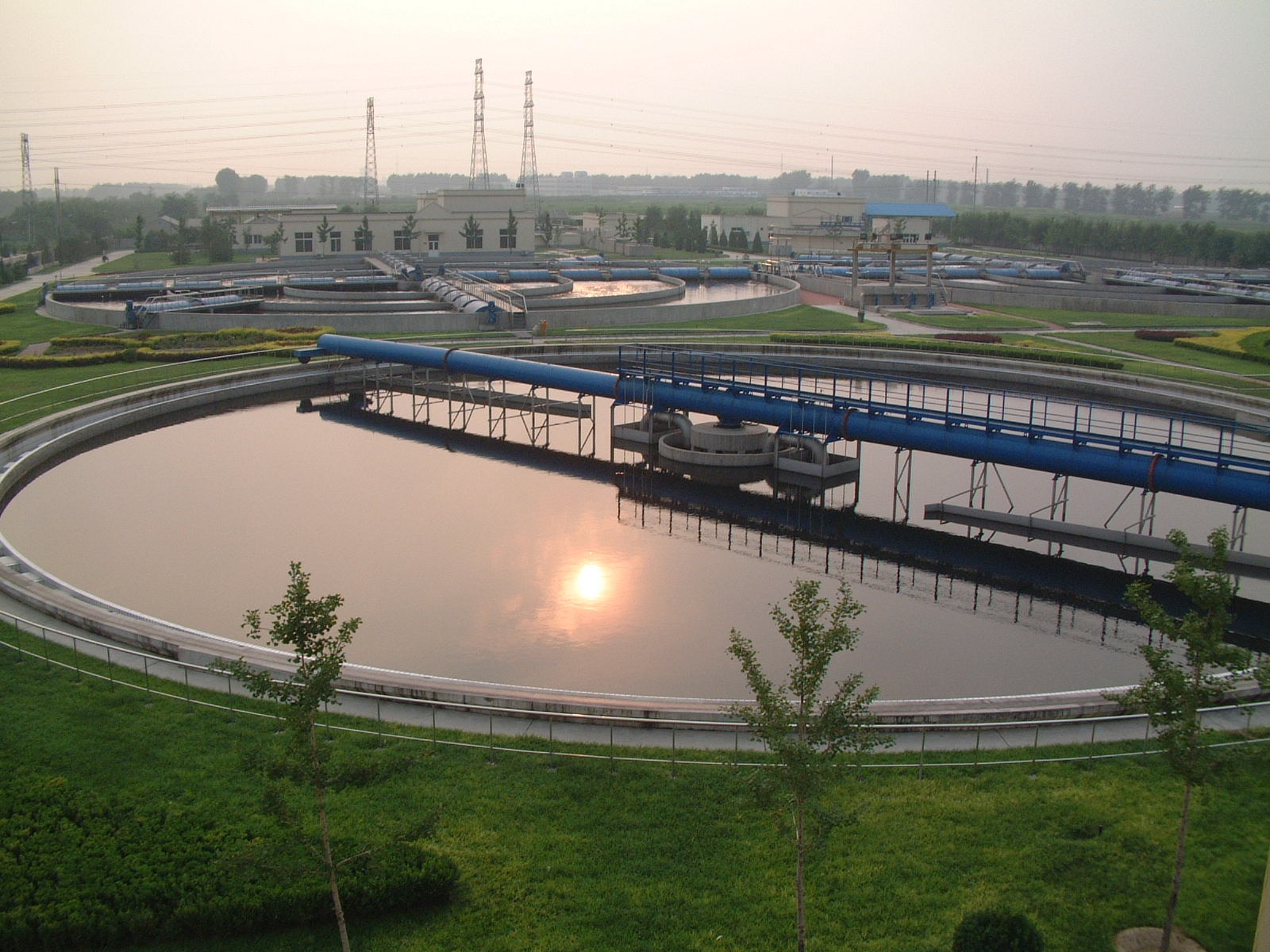
4. Secondary Clarifier: Achieves sludge-water separation and maintains the stability of the activated sludge system through sludge return. The return ratio is typically 30%-100%.
5. Sludge Dewaterer: Reduces the moisture content of sludge to below 80%. Common equipment includes belt filter presses and plate and frame filter presses to facilitate subsequent disposal.
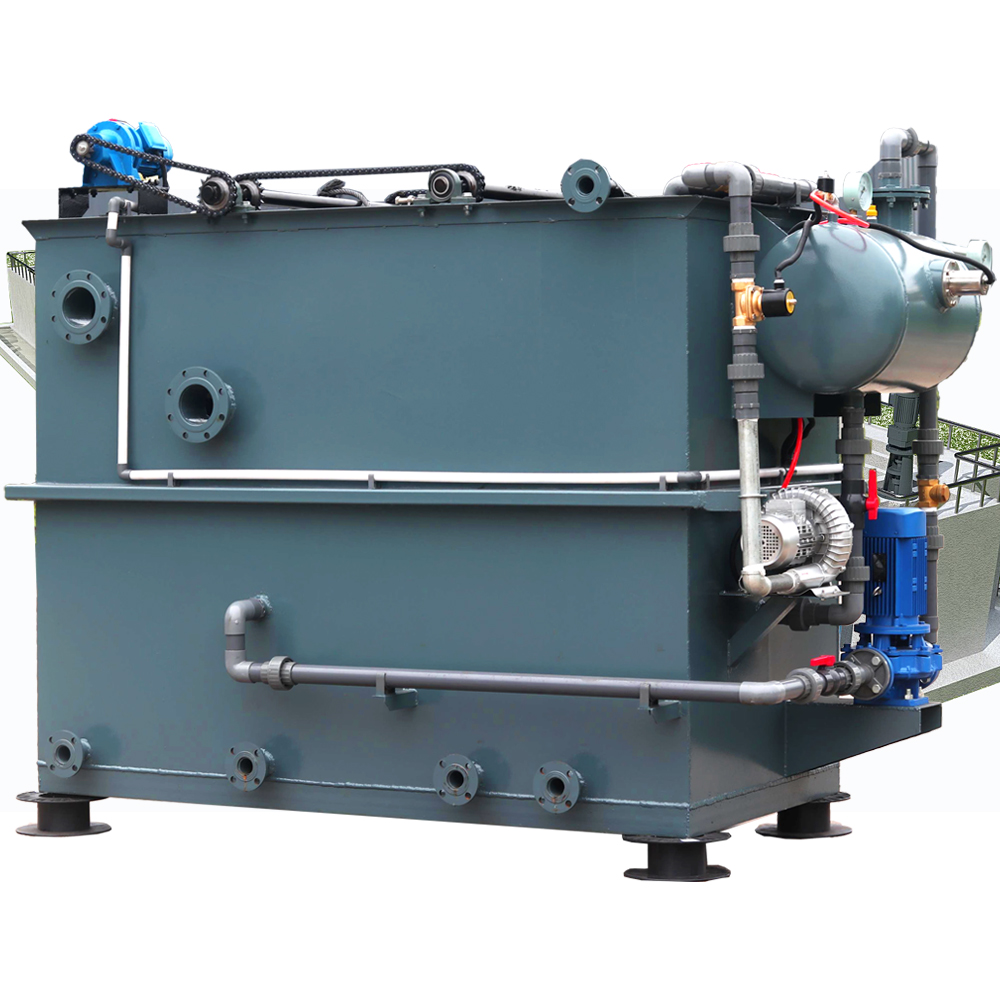
6. Disinfection device: Kills pathogens in the water (such as bacteria and viruses) to ensure that the effluent meets discharge standards. Chlorine disinfection, ozone disinfection, etc. are commonly used.