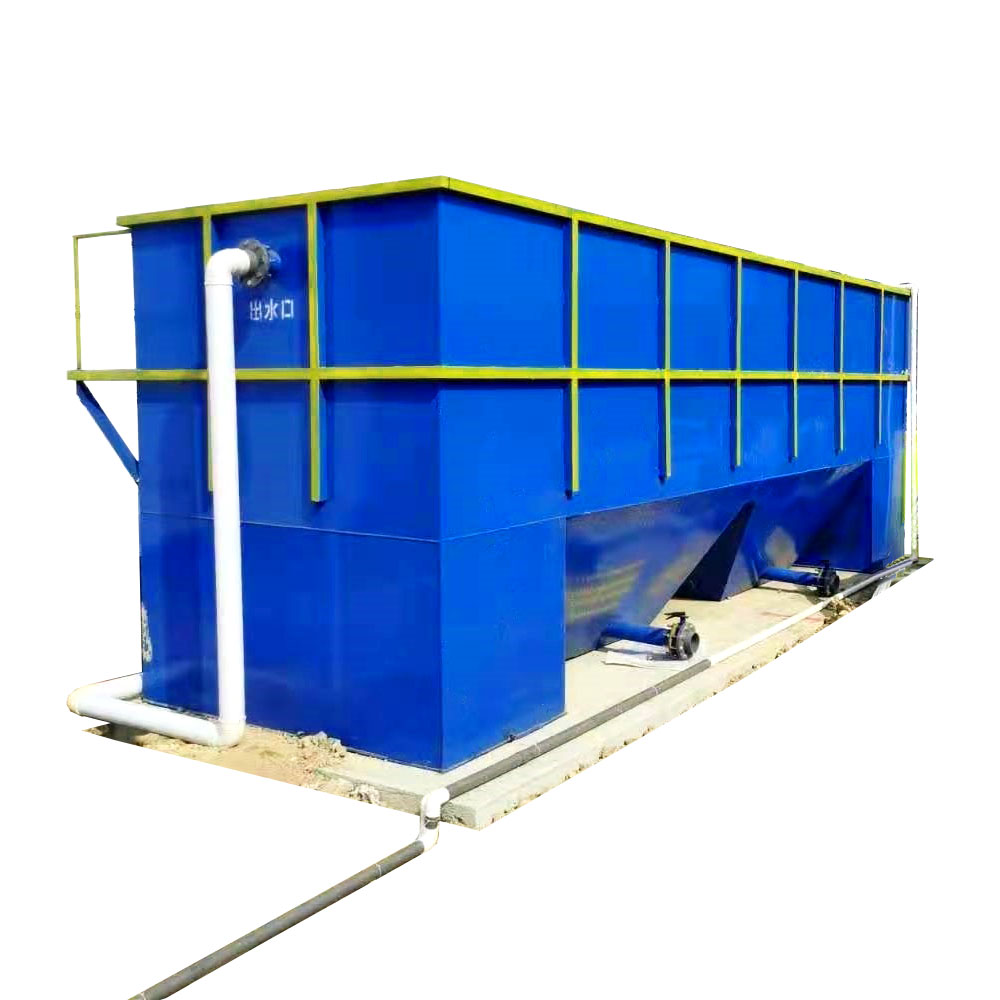
Tag: sedimentation

Blog

How should sugar refining wastewater be treated?

Sugar refining wastewater is a typical high-concentration organic wastewater, characterized by large production volume, high COD (Chemical Oxygen Demand) and BOD5 (Biochemical Oxygen Demand) concentrations, good biodegradability, and deep color. Its treatment process typically employs a multi-stage combination to achieve efficient and stable purification. The mainstream process flow can be
Fendon Advanced oxidation
Blog

How should dyeing and printing wastewater be treated?

Dyeing and printing wastewater can only be treated through a combination of processes. While developing these processes, it’s also crucial to achieve recycling and reuse, striving for zero wastewater discharge. (1) Conditioning: For wastewater with significant variations in water quality and quantity, the conditioning tank should have a longer retention

Blog

What’s Physical Method for wastewater treatment?

In Wastewater treatment, common processes include physical methods, chemical methods, and biological methods. They have different usage objects and effect. Today we will first discuss physics method. The physical method mainly uses physical means to remove suspended solids, floating solids, and some dissolved substances in sewage, without changing the chemical

sand filter
Blog

How to deal with Food processing wastewater?

‌Raw material washing wastewater‌: This is the largest part of food processing wastewater, usually accounting for 60%-70% of the total wastewater. When washing raw materials such as vegetables, fruits, and meat, a large amount of wastewater containing mud, sand, peels, and minced meat will be generated. This type of wastewater