Введение в очистные сооружения
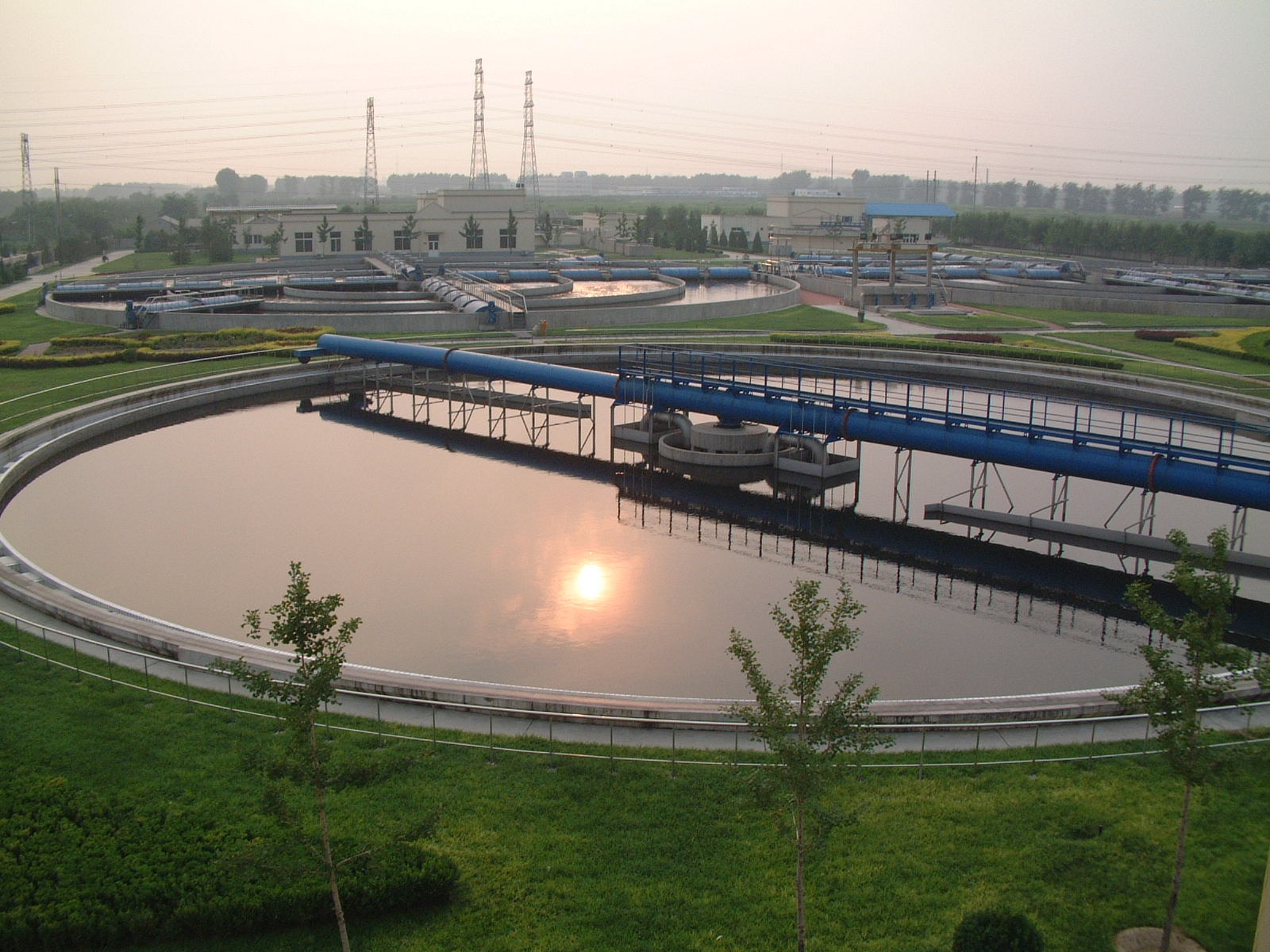
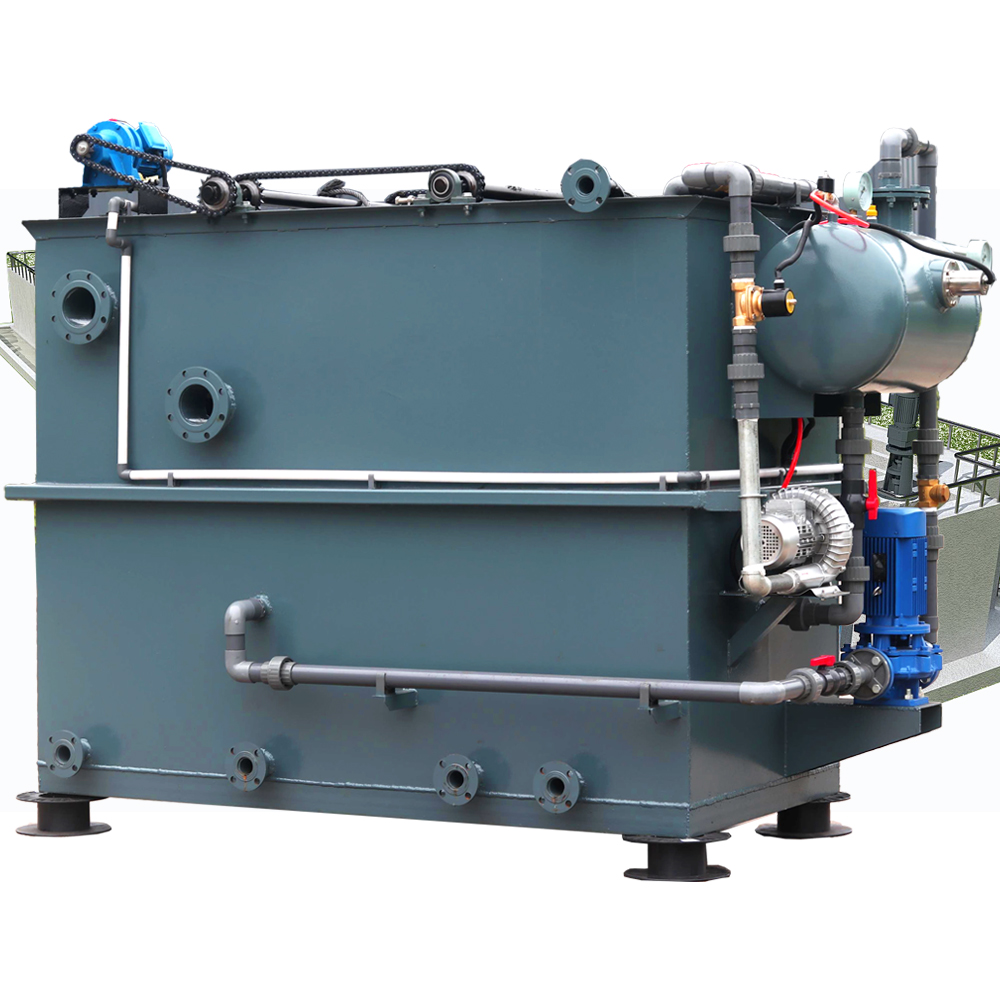
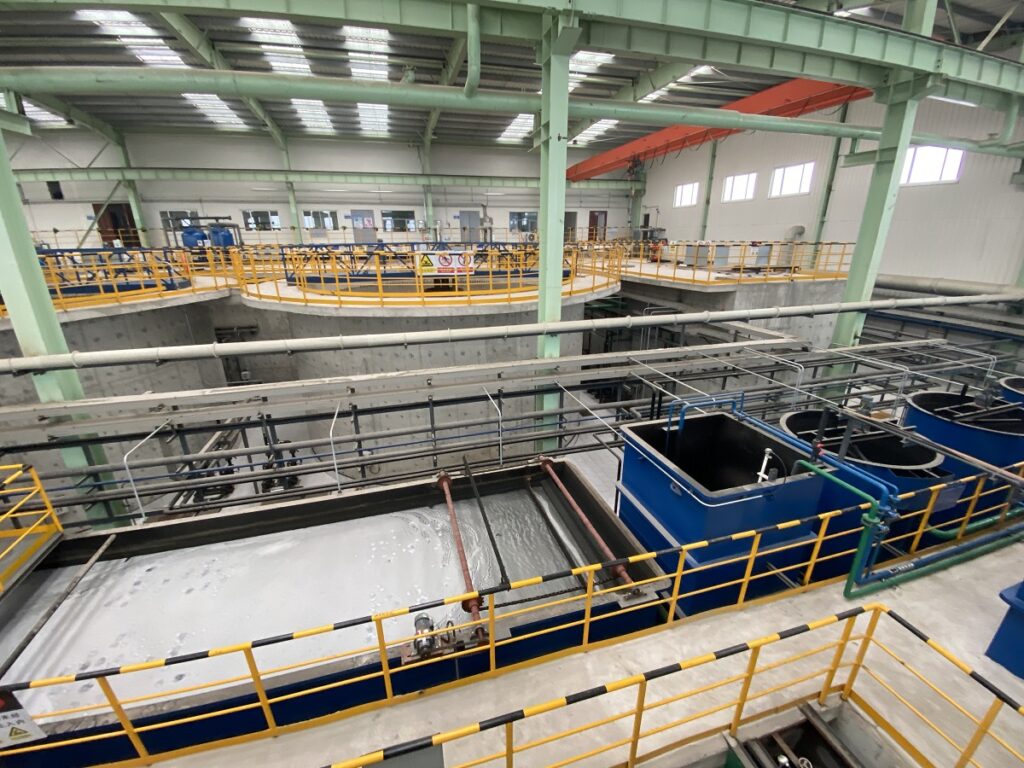
Очистные сооружения играют важнейшую роль в поддержании здоровья окружающей среды и общественной безопасности. Эти сооружения предназначены для очистки сточных вод, обеспечивая удаление вредных загрязняющих веществ до того, как вода попадет обратно в окружающую среду. Понимание принципов работы этих установок помогает подчеркнуть их важность для устойчивого управления водными ресурсами.
Ключевые процессы в очистке сточных вод
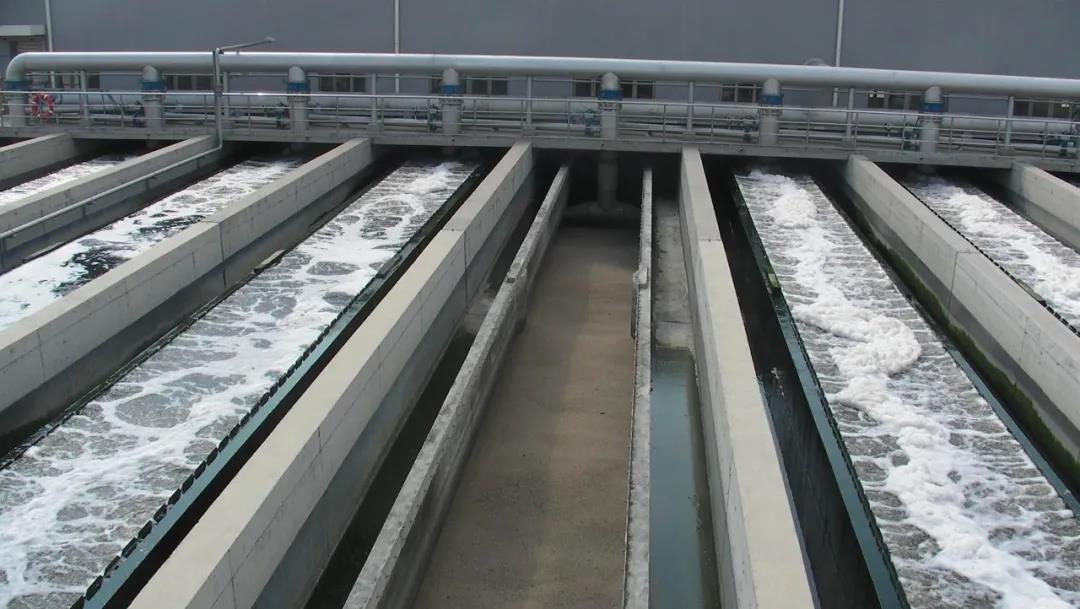
Очистка сточных вод обычно включает несколько процессов, которые можно разделить на первичную, вторичную и третичную обработку. На этапе первичной очистки крупные твердые частицы удаляются путем отстаивания. После этого вторичная очистка использует биологические процессы для расщепления органических веществ с помощью микроорганизмов для переваривания отходов. Наконец, третичная очистка может включать фильтрацию или химическое обеззараживание, обеспечивая дополнительный уровень очистки перед сбросом очищенной воды.
Важность очистки сточных вод
Правильная очистка сточных вод имеет решающее значение для защиты водных экосистем и здоровья человека. Неочищенные сточные воды могут привести к загрязнению источников питьевой воды и способствовать деградации окружающей среды. Инвестируя в передовые технологии очистки сточных вод, сообщества могут улучшить качество воды, снизить риски для здоровья населения и способствовать устойчивому повторному использованию воды. Очистные сооружения - это не просто необходимость, они жизненно важны для устойчивого будущего.