Introduction to Oil Drilling Wastewater
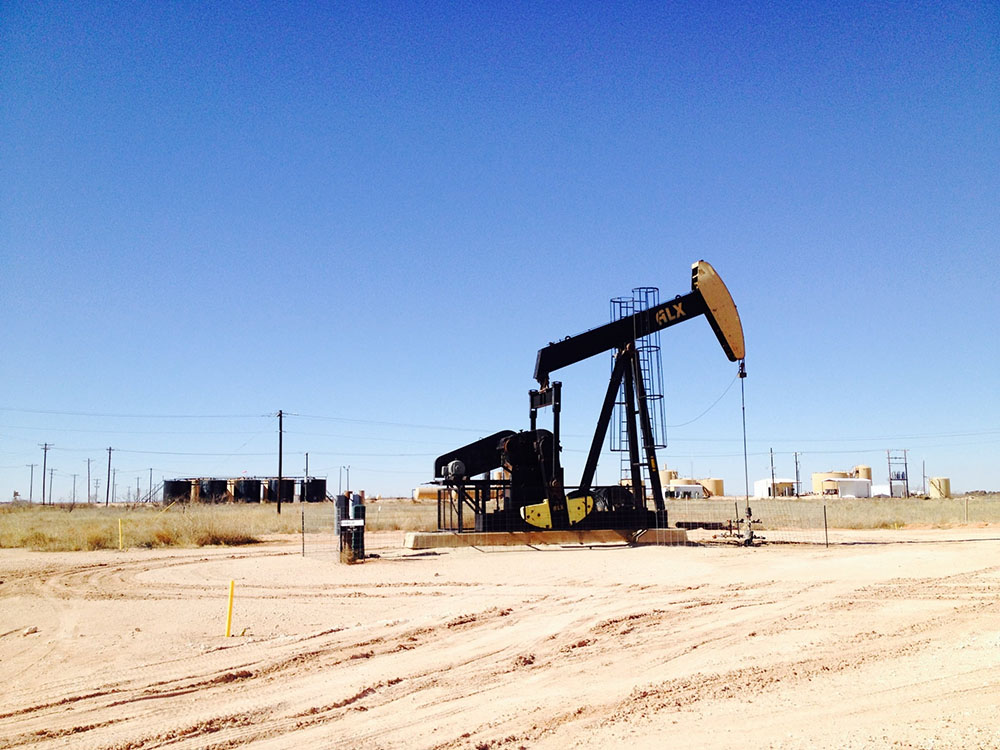
Oil drilling generates significant amounts of wastewater, which can pose environmental risks if not treated properly. The treatment process design for this wastewater is crucial to protect ecosystems and comply with regulatory standards. This blog post will explore the key components and considerations in designing an effective oil drilling wastewater treatment process.
Key Components of Treatment Process Design
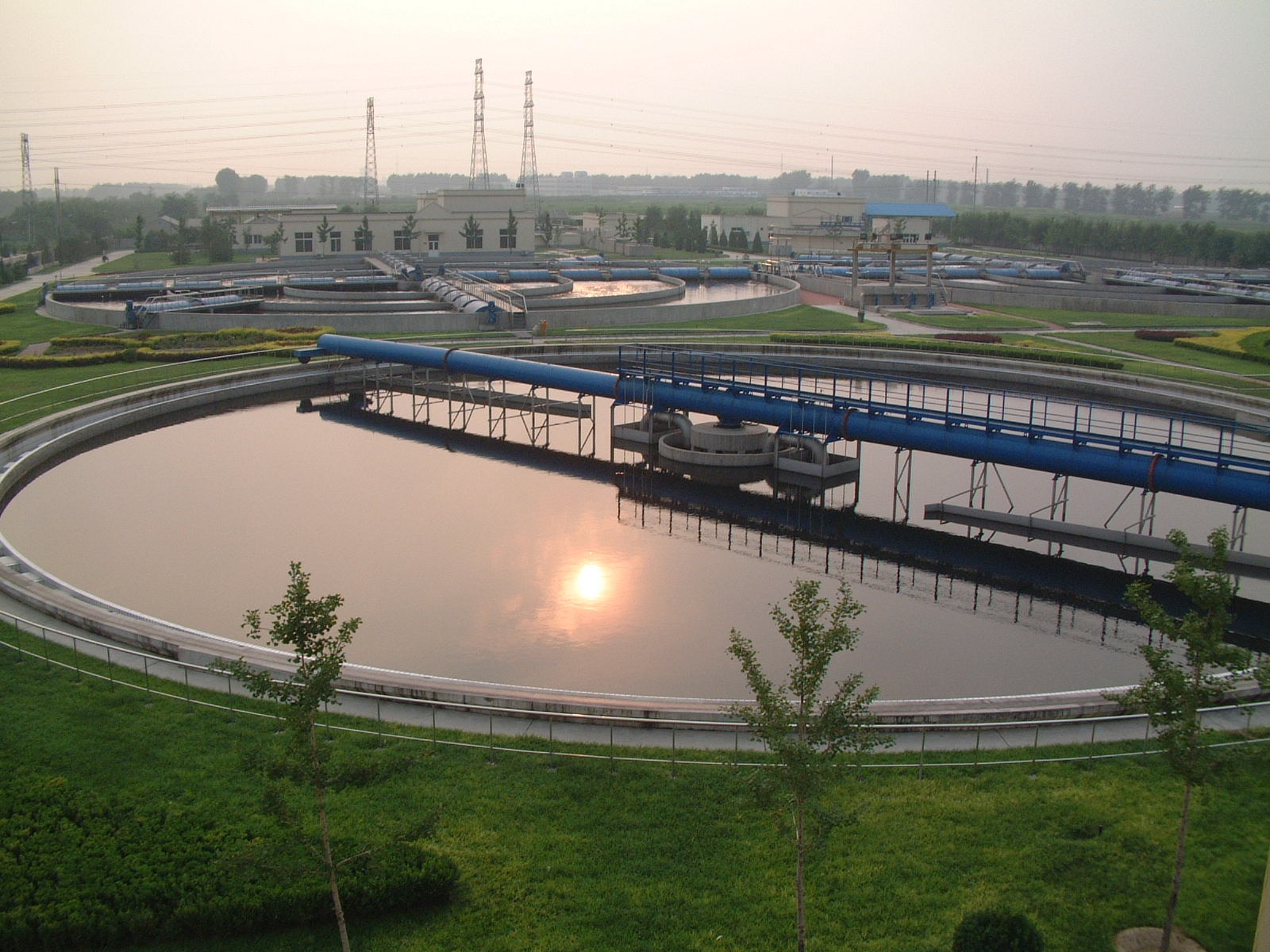
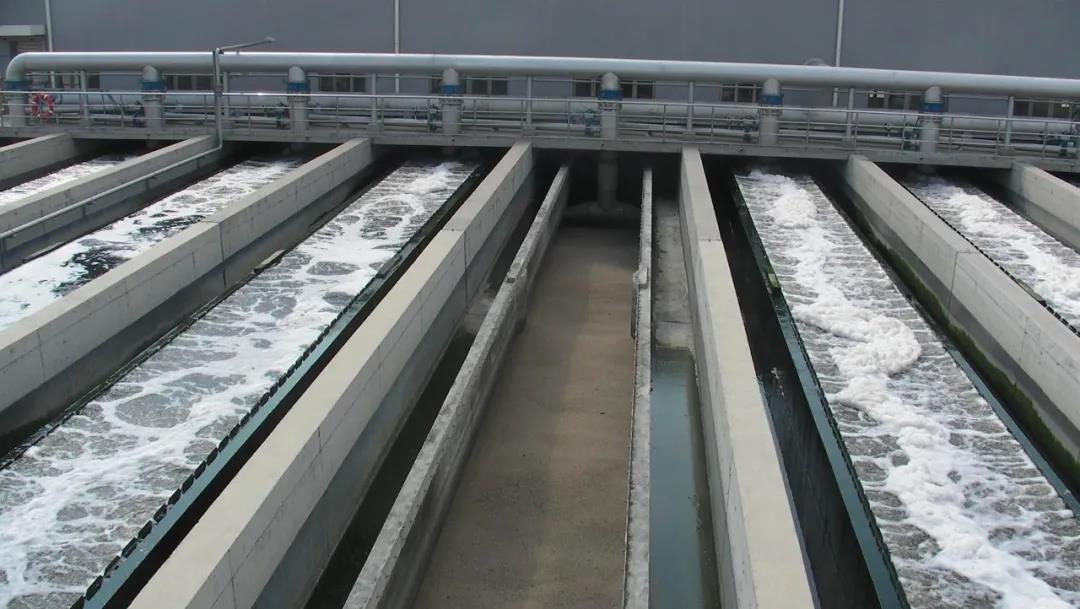
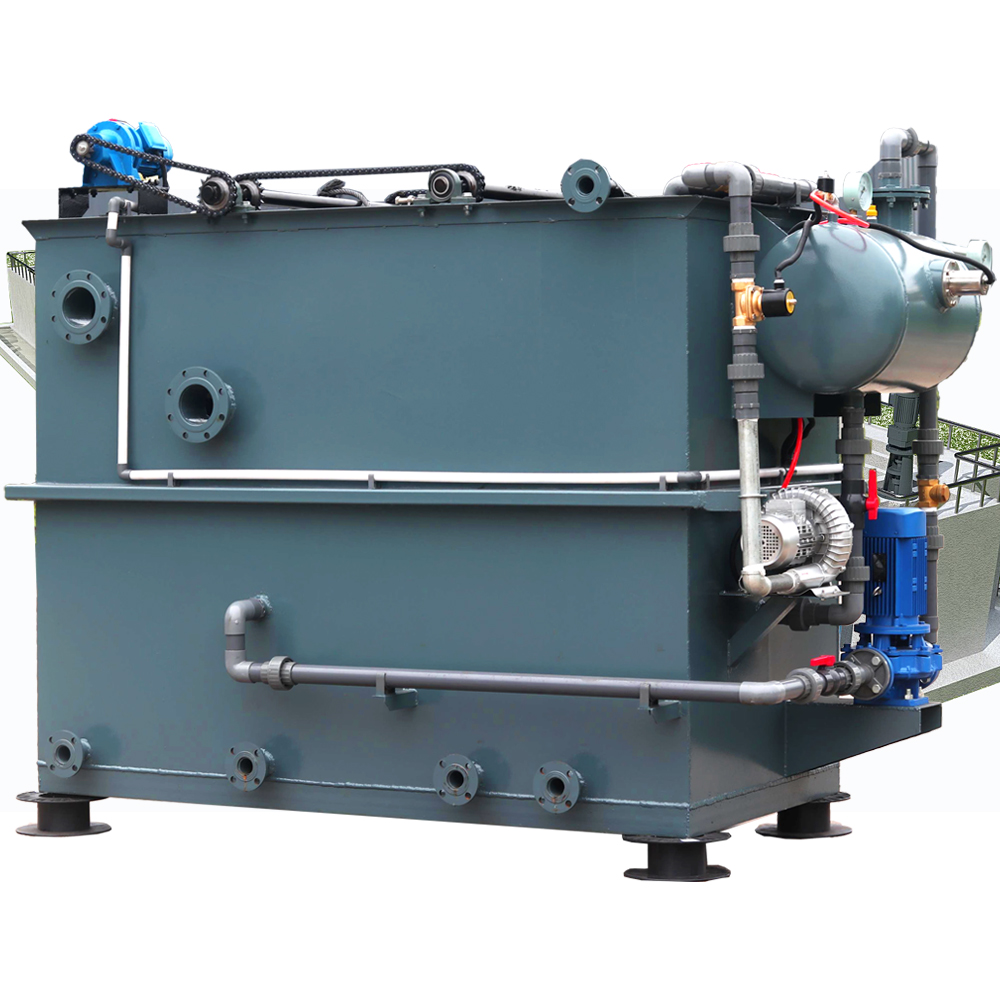
Effective treatment design consists of several components, including: separation, biological treatment, and advanced filtration systems. The initial step is often the separation of solids and oils from the wastewater, which can be achieved through gravity separation or centrifugation. After separation, biological treatment processes, such as aerobic or anaerobic digestion, can be employed to break down organic contaminants. Finally, advanced filtration methods (e.g., membrane filtration) play a role in removing residual impurities, ensuring that the treated water meets environmental discharge standards.
Considerations in Treatment Process Design
When designing an oil drilling wastewater treatment system, several factors must be considered. These include the volume of wastewater generated, the specific contaminants present, and location-specific regulations. Additionally, the treatment system’s efficiency and operational costs are paramount for sustainability. Engineers must balance between high-capacity processing and cost-effectiveness, taking into account available technologies that can optimize the performance of the treatment process.
In conclusion, the design of oil drilling wastewater treatment processes is complex but essential. By understanding the key components and considerations, we can develop more efficient systems that safeguard our environments while facilitating the oil extraction process.