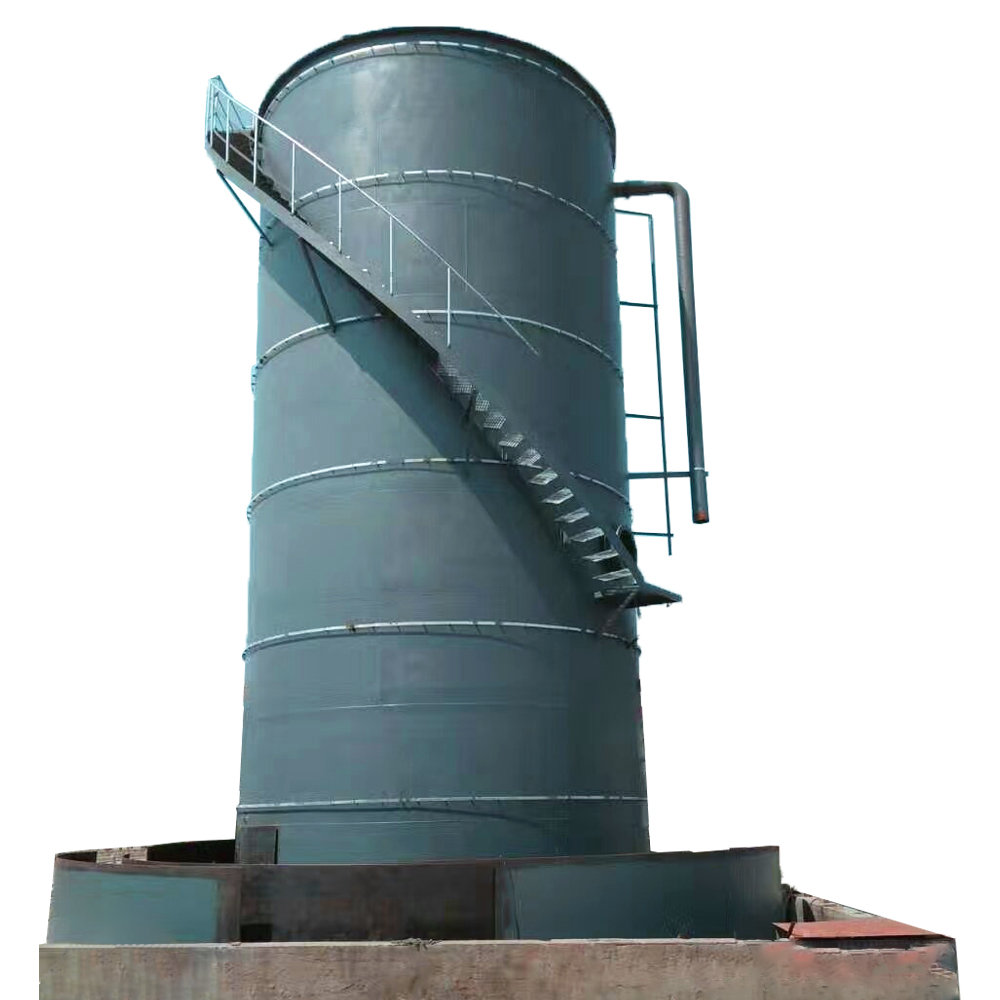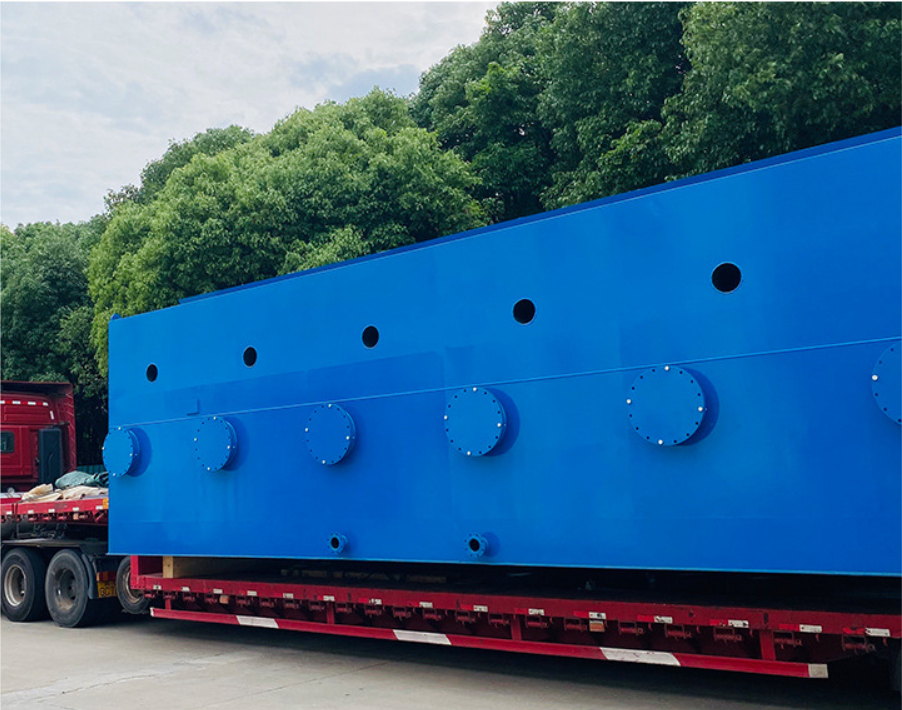

Qu'est-ce qu'un réservoir de sédimentation à haute efficacité ?
Un bassin de sédimentation à haut rendement est un composant essentiel des systèmes de gestion des eaux usées, conçu pour améliorer le processus de décantation des solides en suspension. Ces bassins utilisent des mécanismes avancés pour séparer les solides des liquides, contribuant ainsi à un traitement efficace de l'eau. En améliorant le processus de sédimentation, ces bassins contribuent de manière significative à des effluents plus propres et à de meilleures normes environnementales.
Comment fonctionnent-ils ?
La conception opérationnelle des bassins de sédimentation à haute efficacité intègre des facteurs tels que les débits d'entrée et la géométrie du bassin afin d'optimiser la décantation gravitationnelle des particules. Lorsque les eaux usées pénètrent dans le réservoir, le flux ralentit, ce qui permet aux solides les plus lourds de se déposer au fond. Ce processus de sédimentation est encore amélioré par l'allongement du temps de séjour des particules, qui peut être obtenu grâce à diverses techniques d'ingénierie.
Avantages des bassins de sédimentation à haute efficacité
L'un des principaux avantages de l'utilisation d'un bassin de sédimentation à haute efficacité est sa capacité à réduire de manière significative le volume de boues qui doit être traité ou éliminé. Cela permet non seulement de réduire les coûts d'exploitation, mais aussi d'avoir un impact positif sur l'efficacité globale des stations d'épuration. En outre, ces bassins sont conçus pour traiter des débits variables, ce qui les rend adaptables à différentes applications, qu'elles soient industrielles ou municipales.