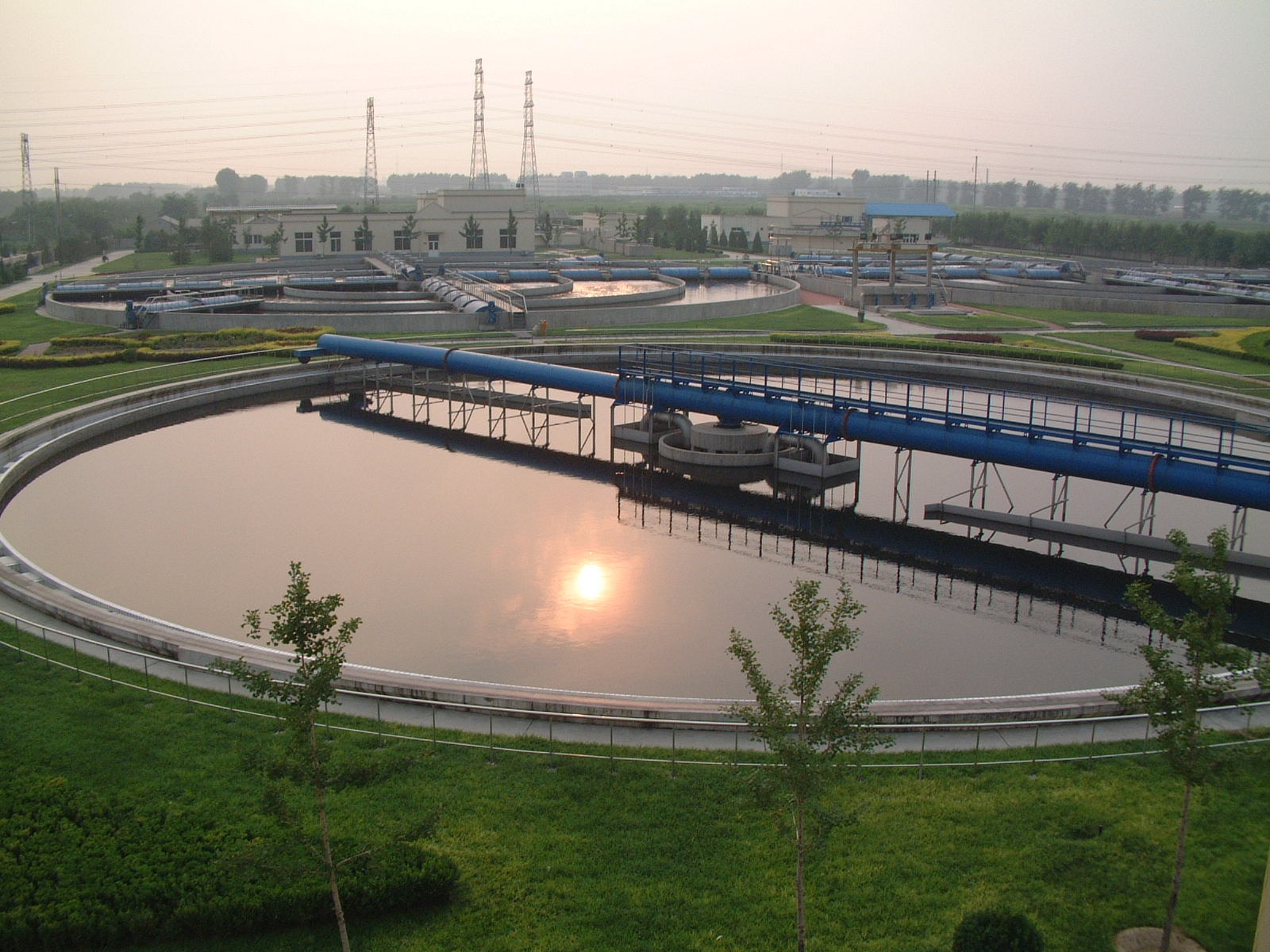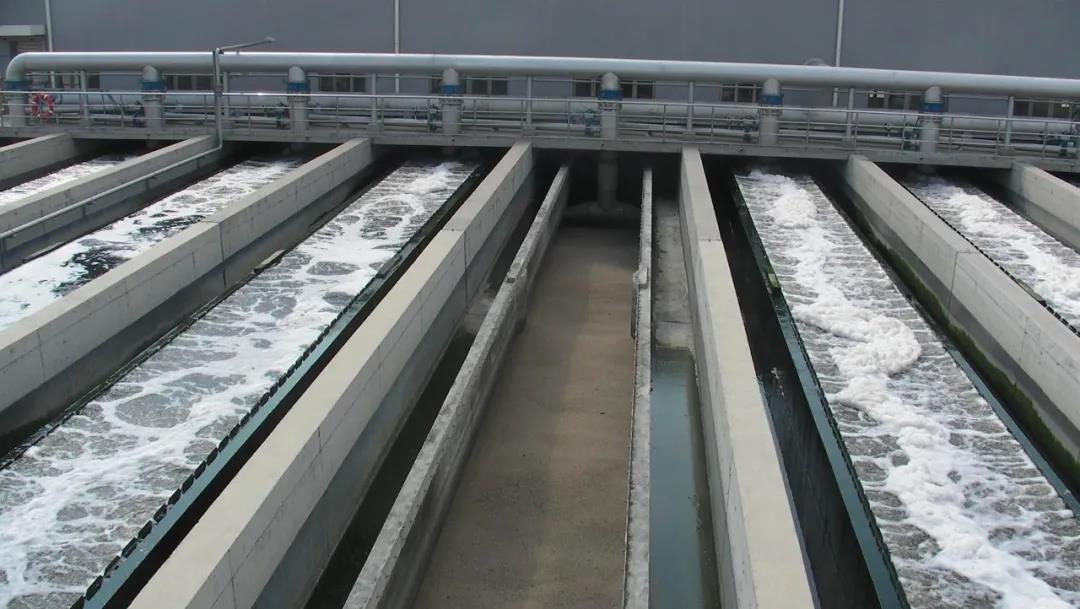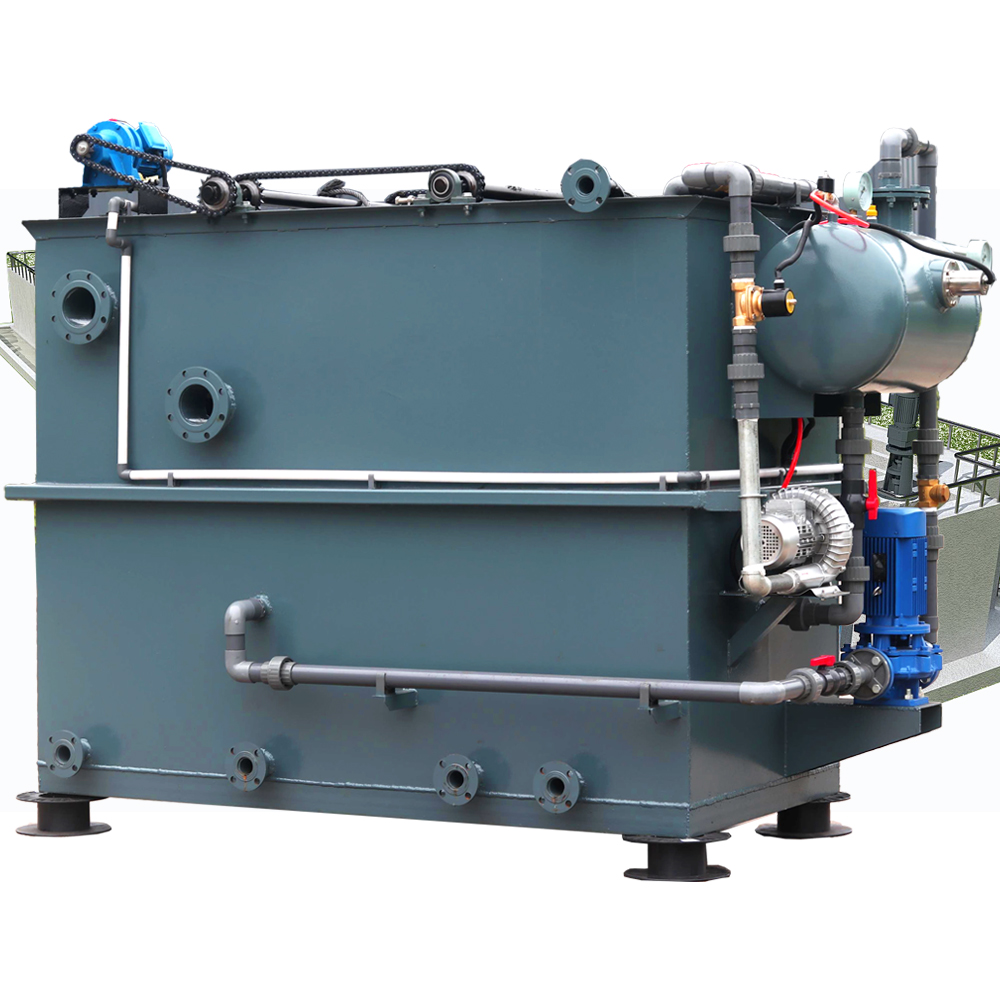

- خزان ما قبل الترسيب: يتم ضخ مياه الصرف الصحي للمناجم من تحت الأرض إلى خزان ما قبل الترسيب. يتم تخزين مياه الصرف الصحي ويتم تنظيم معدل تدفقها لتلبية متطلبات الحجم الثابت المؤثر. وفي الوقت نفسه، يحقق ترسيب أولي للمواد الصلبة العالقة، مما يقلل بشكل كبير من كمية المواد الصلبة العالقة في المياه ويقلل الحمل على وحدات المعالجة اللاحقة. تقوم مكشطة الحمأة بجمع الحمأة من قاع خزان الترسيب المسبق وإزالتها بشكل دوري.
- جهاز ترسيب عالي الكثافة: يدمج جهاز الترسيب عالي الكثافة بين الخلط الميكانيكي والتخثر، والتلبد المعزز ميكانيكيا، وفصل الترسيب الأنبوبي المائل. تعمل مضخة العودة في نهاية منطقة الترسيب على إعادة الحمأة المنشطة إلى منطقة تفاعل التلبد، مما يحسن ويعزز بشكل كبير من تأثيرات التلبد والترسيب. يُظهر مزايا كبيرة في معالجة المياه منخفضة الحرارة ومنخفضة التعكر.
- ترشيح متعدد الوسائط + ترشيح الكربون المنشط: تحتوي المادة الطافية التي يتم تفريغها من خزان الترسيب عالي الكثافة على كمية صغيرة جدًا من المواد الصلبة العالقة الدقيقة. يتدفق الماء عن طريق الجاذبية إلى خزان وسيط ثم يتم ضخه بالتتابع إلى مرشح متعدد الوسائط ومرشح الكربون المنشط بواسطة مضخة رفع. ويؤدي ذلك إلى مزيد من الترشيح للمواد الصلبة العالقة الدقيقة في مياه الصرف الصحي لتلبية متطلبات جودة المؤثر للترشيح الفائق.
بعد الترشيح لفترات طويلة، تتراكم كمية كبيرة من الحمأة على سطح طبقة رمل المرشح، مما يؤدي إلى انسدادها ويسبب زيادة ضغط التشغيل، وتباطؤ سرعة الترشيح، وارتفاع مستوى الترشيح. ومن ثم يكون الغسيل العكسي ضروريًا. تقوم مضخة الغسيل العكسي ذات الحجم الكبير بضخ المياه النظيفة المفلترة في الفلتر من القاع، مصحوبة بهواء عالي الضغط، مما يخلق خليطًا من الهواء والماء للغسيل العكسي. يؤدي ذلك إلى تفكيك طبقة الرمال، مما يؤدي إلى تمددها. ثم يتم بعد ذلك تحرير المواد الصلبة العالقة الدقيقة في النظام من طبقة المرشح بواسطة تدفق الهواء والماء عالي السرعة، ويتدفق من المرشح من الأعلى إلى خزان المعادلة لمزيد من المعالجة. بعد عملية الغسيل العكسي، يعود المرشح إلى معدل تدفقه الأصلي ويكون جاهزًا لإعادة الاستخدام.
- الترشيح الفائق يدخل ماء التغذية بالترشيح الفائق أولاً مرشح قرصي لحماية نظام الترشيح الفائق من التلف الميكانيكي. يستخدم نظام الترشيح الفائق وحدات غشاء الضغط الخارجي؛ تدخل مياه الصرف الصحي من خارج ألياف الغشاء إلى داخل الأنبوب، وتعمل في وضع الترشيح بالحجم الكامل. يدخل كل المتخلل إلى الخزان العازل المتخلل للترشيح الفائق.
تم تجهيز نظام الترشيح الفائق بغسيل عكسي دوري، كل 20-40 دقيقة تقريبًا. وباستخدام مضخة الغسيل العكسي للترشيح الفائق، تدخل نفاذية الترشيح الفائق من جانب النفاذية من غشاء الترشيح الفائق، مما يؤدي إلى تنظيف سطح الغشاء لفترة وجيزة لإزالة الرواسب واستعادة أداء الغشاء.
تم تصميم نظام الترشيح الفائق بأكمله للتحكم الأوتوماتيكي بالكامل، مع إجراءات روتينية مبرمجة للترشيح العادي والغسيل العكسي للهواء والماء والتنظيف الكيميائي عبر الإنترنت. يمكن إعادة مياه الغسيل العكسي إلى خزان المياه العازلة للغسيل العكسي لإعادة المعالجة. يشتمل نظام الترشيح الفائق أيضًا على نظام تنظيف كيميائي غير متصل بالإنترنت، مما يسمح بالتنظيف المستقل والجماعي لوحدات الغشاء الفردية دون الحاجة إلى إزالتها من المعدات.