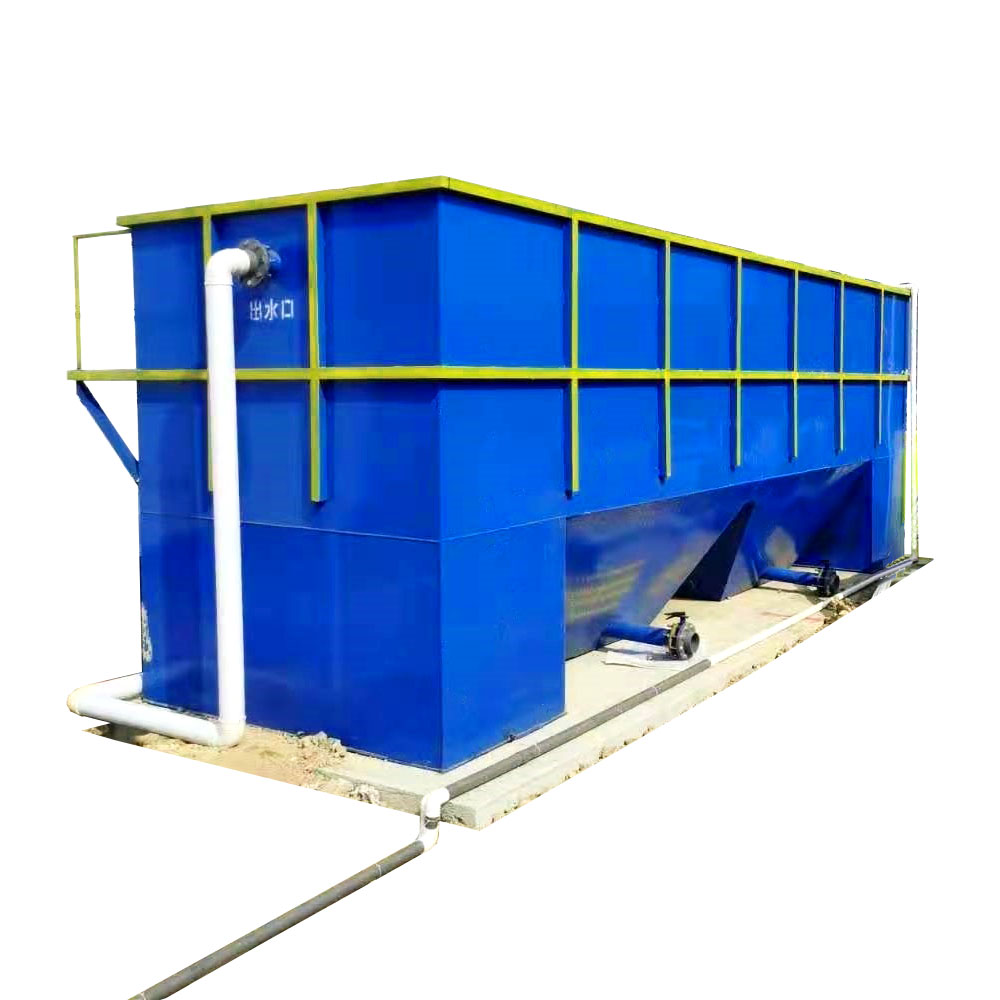
1. Equalization Tank: The equalization tank balances the quantity and quality of wastewater, a necessary component for the normal operation of the wastewater treatment system.
Existing wastewater tanks can be used for temporary storage. Once full, the wastewater is transported to the wastewater treatment equipment using a forklift and then pumped into the treatment system using a submersible pump.
2. Integrated Treatment Equipment: By adding a special water-based ink treatment agent to the wastewater, aeration ensures thorough mixing and reaction between the wastewater and the agent. Through the demulsification, trapping, and electrostatic adsorption of flocs generated by hydrolysis, suspended particles in the wastewater coagulate into clumps. After sufficient settling time, solid-liquid separation occurs, meeting the wastewater pretreatment requirements. The sludge generated by the system is separated into mud and water using a plate and frame filter press. The filtered water then undergoes subsequent decolorization treatment. The clarified liquid after decolorization is stored for washing purposes.
2.1 Wastewater from printing press washing is collected in wastewater tanks. Once a certain volume is reached, it is transported from the wastewater treatment system by forklift and pumped to reaction zone 1 for pre-treatment with flocculation. After chemical flocculation and sedimentation, the treated wastewater is pumped into a plate and frame filter press for solid-liquid separation. The filtered water, once clear, enters the clear water tank.
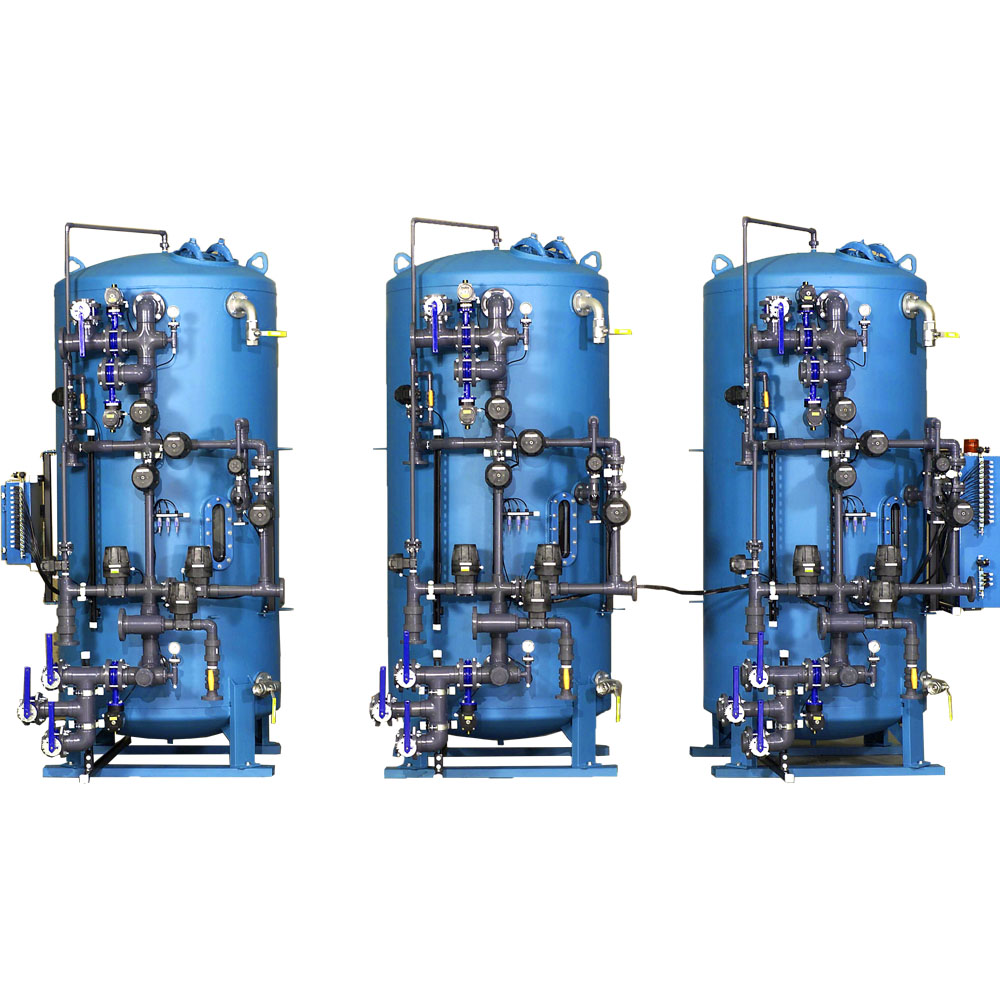
2.2 After flocculation treatment, the wastewater undergoes sludge-water separation in the plate and frame filter press. At this point, most pollutants in the water-based ink wastewater have been removed, but residual color remains. The wastewater enters reaction zone 2 through pipelines. After deep decolorization, it undergoes sludge-water separation in the plate and frame filter press. The filtrate is filtered through a sand and carbon filter and then stored in the clear water tank for reuse. The sludge cake generated by the system is transported off-site for disposal. The sand and carbon filter requires periodic backwashing; the backwash residue is treated by the plate and frame filter press.
2.3 The treated water is pumped into an activated carbon filter tank for further treatment, then filtered through a precision filter and then purified through an ultrafiltration membrane. The treated water is clear and can be discharged directly or reused.