
Sugar refining wastewater is a typical high-concentration organic wastewater, characterized by large production volume, high COD (Chemical Oxygen Demand) and BOD5 (Biochemical Oxygen Demand) concentrations, good biodegradability, and deep color. Its treatment process typically employs a multi-stage combination to achieve efficient and stable purification. The mainstream process flow can be divided into three stages: pretreatment, biological treatment (anaerobic + aerobic), and advanced treatment.
1. Pretreatment Stage: The purpose is to remove large suspended solids and regulate water quality and quantity, creating stable conditions for subsequent biological treatment.
1.1 Bar Screening: Removes large solid particles such as bagasse and fibers to prevent clogging of pipes and equipment.
1.2 Equalization Tank: Homogenizes and equalizes water quality and quantity, mitigating fluctuations in water quality and quantity; retention time is generally 6–12 hours.
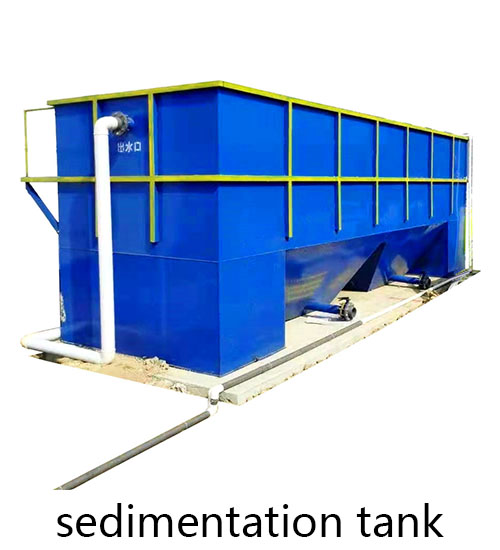
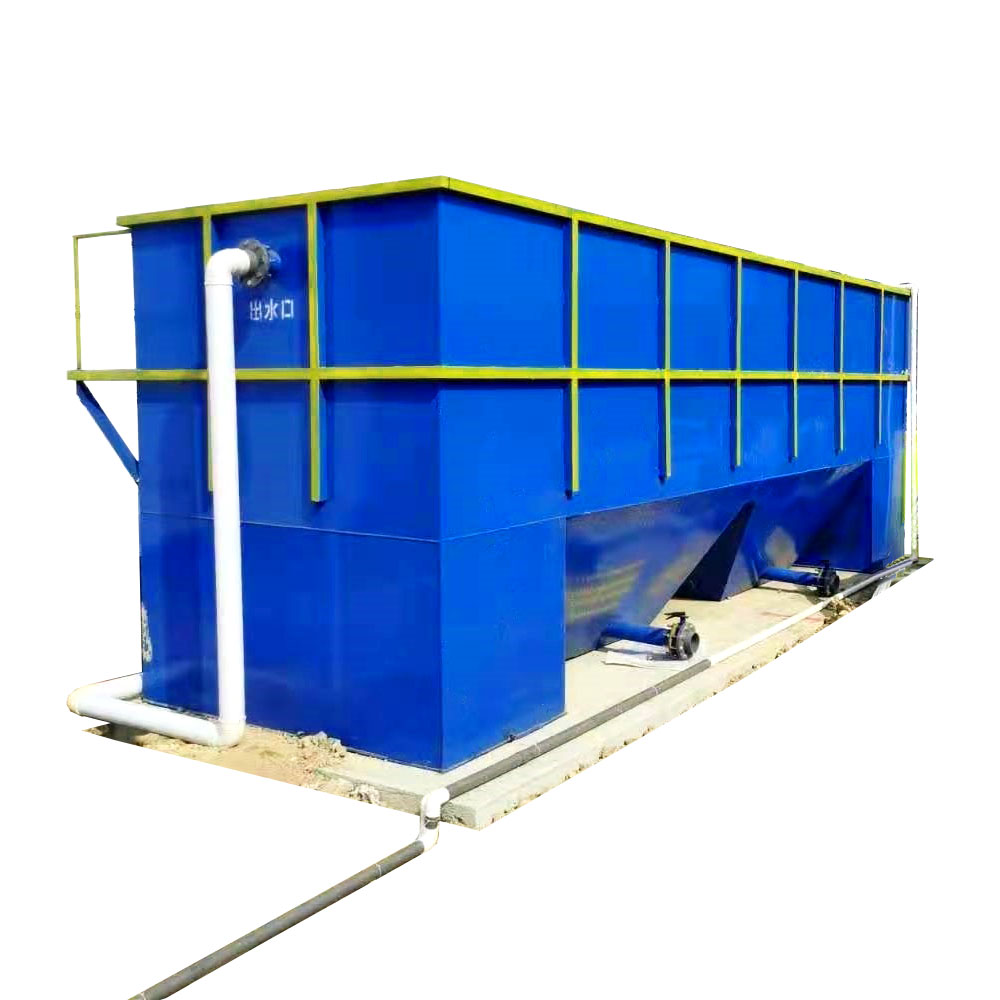
1.3 Sedimentation/Coagulation Sedimentation: Removes silt and suspended solids and reduces turbidity through natural sedimentation or the addition of flocculants.
2. Biological Treatment Stage (Core Component): This stage utilizes microorganisms to degrade organic matter, often employing a combined anaerobic-aerobic process to balance efficiency and energy consumption.
2.1 Anaerobic Treatment: Suitable for high-concentration organic wastewater, this stage decomposes large organic molecules into methane and carbon dioxide, reducing COD load while simultaneously generating recyclable biogas. Common processes include: Upflow Anaerobic Sludge Blanket (UASB), Anaerobic Baffled Reactor (ABR), and hydrolysis acidification tanks (to improve biodegradability). Anaerobic treatment can achieve COD removal rates exceeding 80%, with low sludge production and low energy consumption.
2.2 Aerobic Treatment: This stage further degrades small-molecule organic matter in the anaerobic effluent, ensuring that the effluent quality meets standards. Common processes include: Biological contact oxidation (high resistance to shock loads, stable effluent), activated sludge processes (such as SBR), and combined biofilm-activated sludge processes. Aerobic treatment can achieve BOD removal rates exceeding 90%, but energy consumption is higher.
3. Advanced Treatment Stage (Optional, for Upgrading Standards or Reuse): Advanced treatment is required when effluent needs to meet stricter standards or be reused.
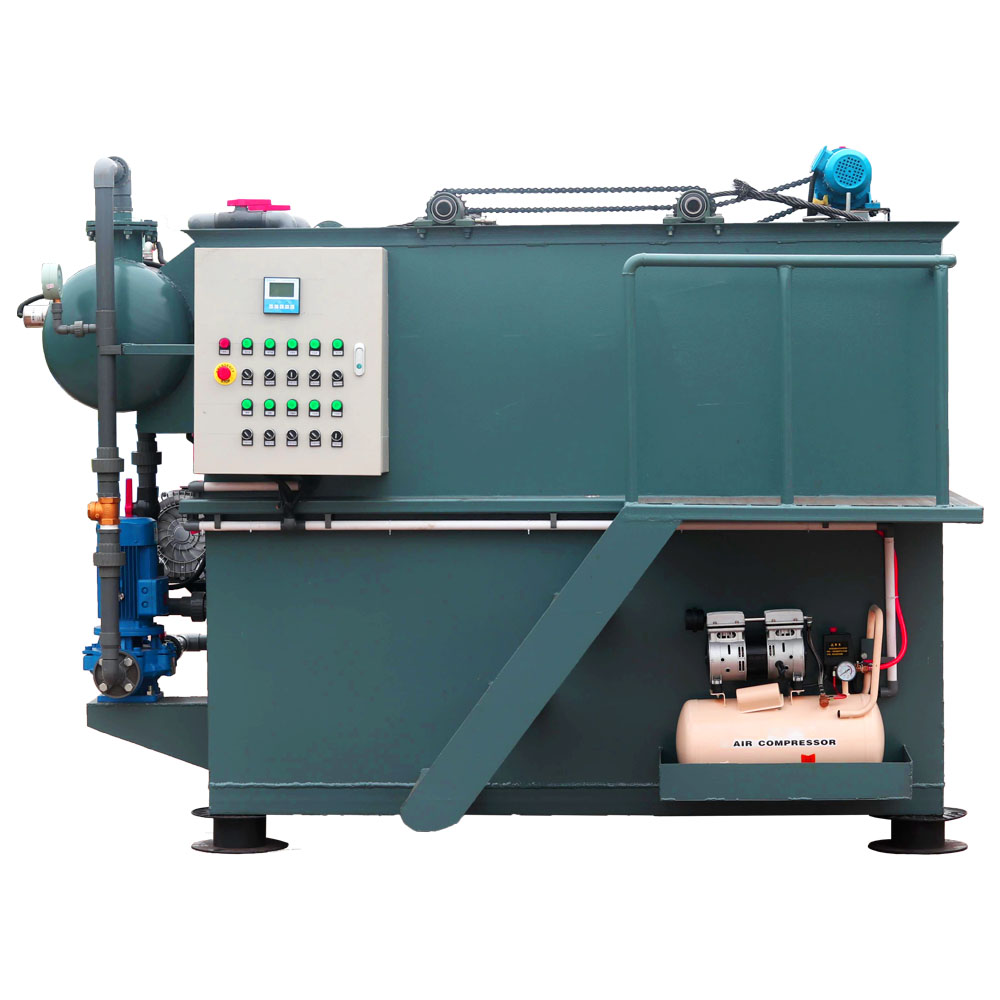
3.1 Coagulation and Sedimentation: Adding coagulants (such as PAC, PAM) removes residual colloids and pigments.
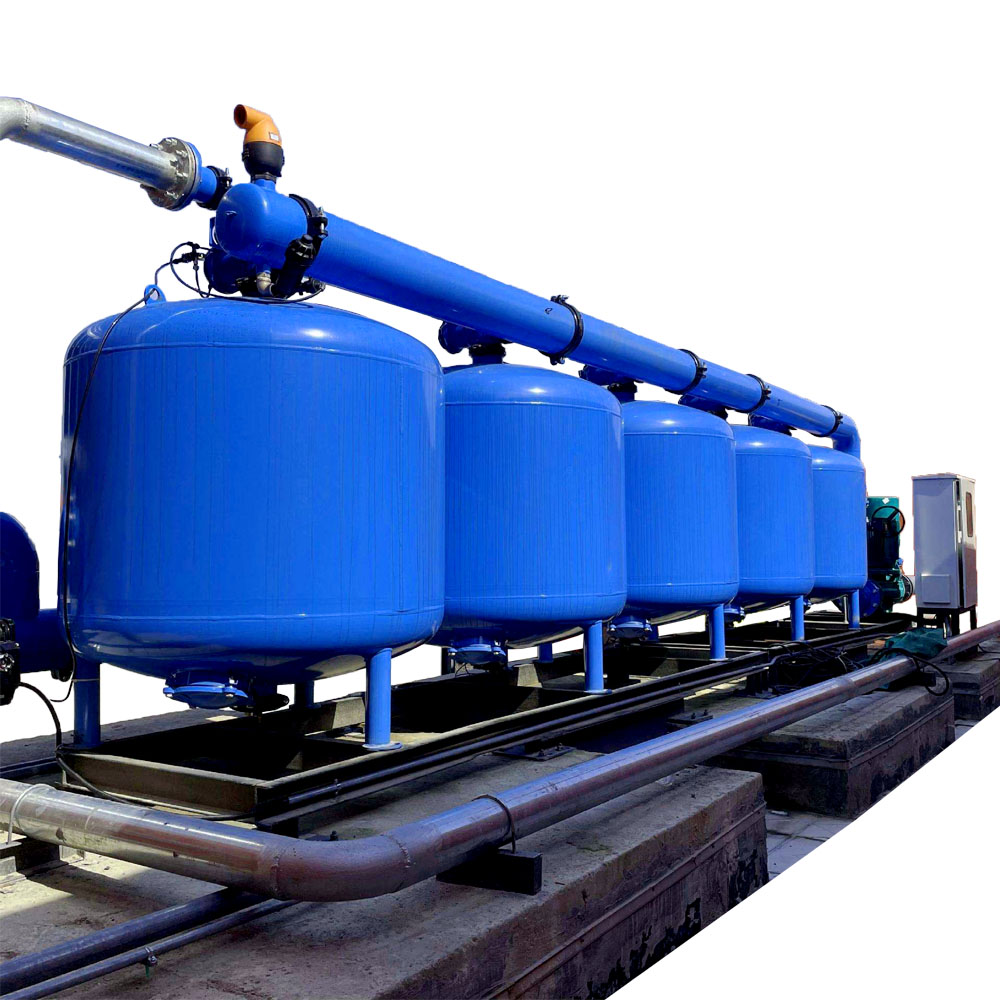
3.2 Filtration: Sand filtration, activated carbon filtration, etc., remove fine suspended solids and residual organic matter.
3.3 Adsorption: Activated carbon adsorption can effectively decolorize and remove trace amounts of recalcitrant organic matter.
3.4 Disinfection: Ultraviolet light, ozone, or sodium hypochlorite disinfection kills pathogenic microorganisms and is suitable for reclaimed water.