ما هي تقنية تعويم الهواء المذاب؟
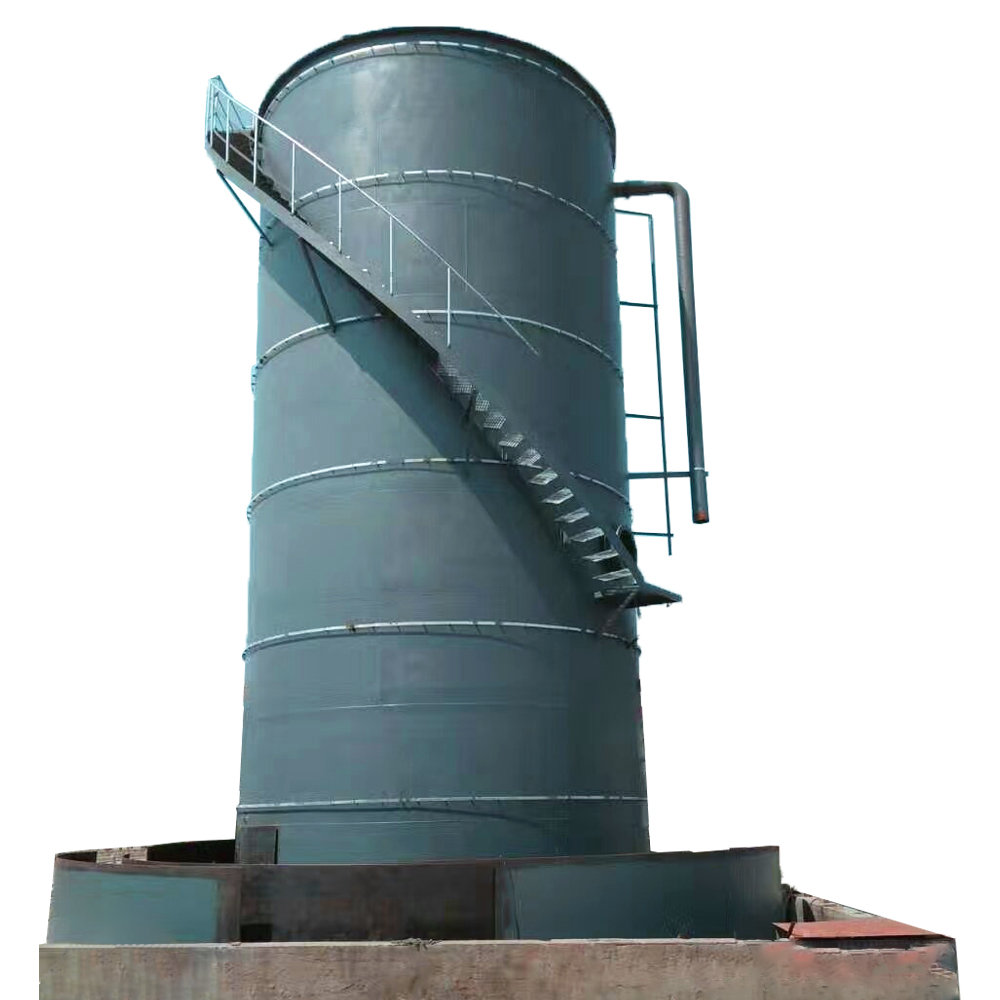
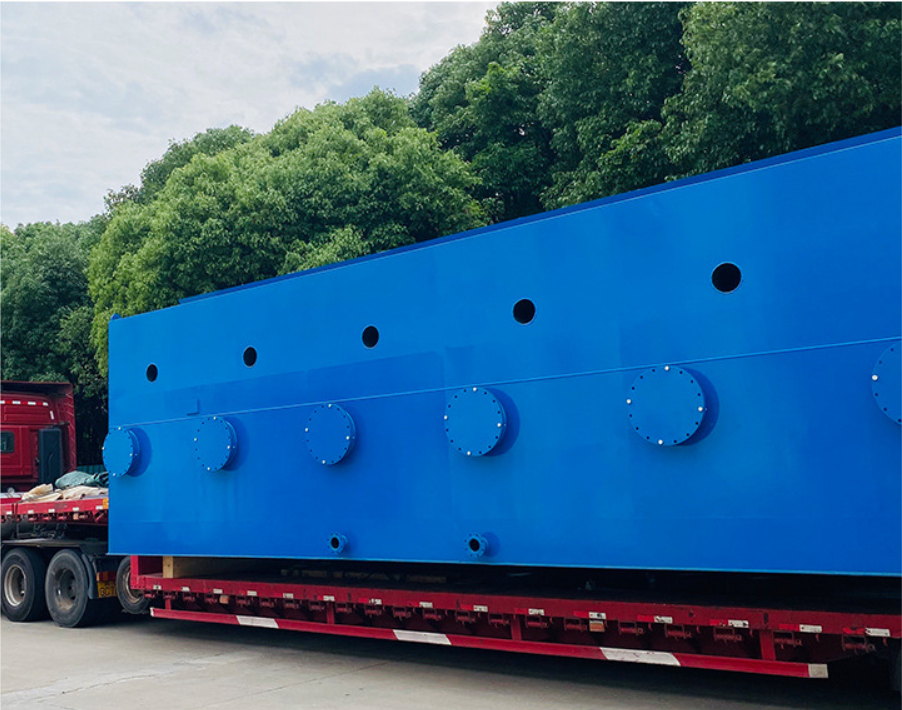
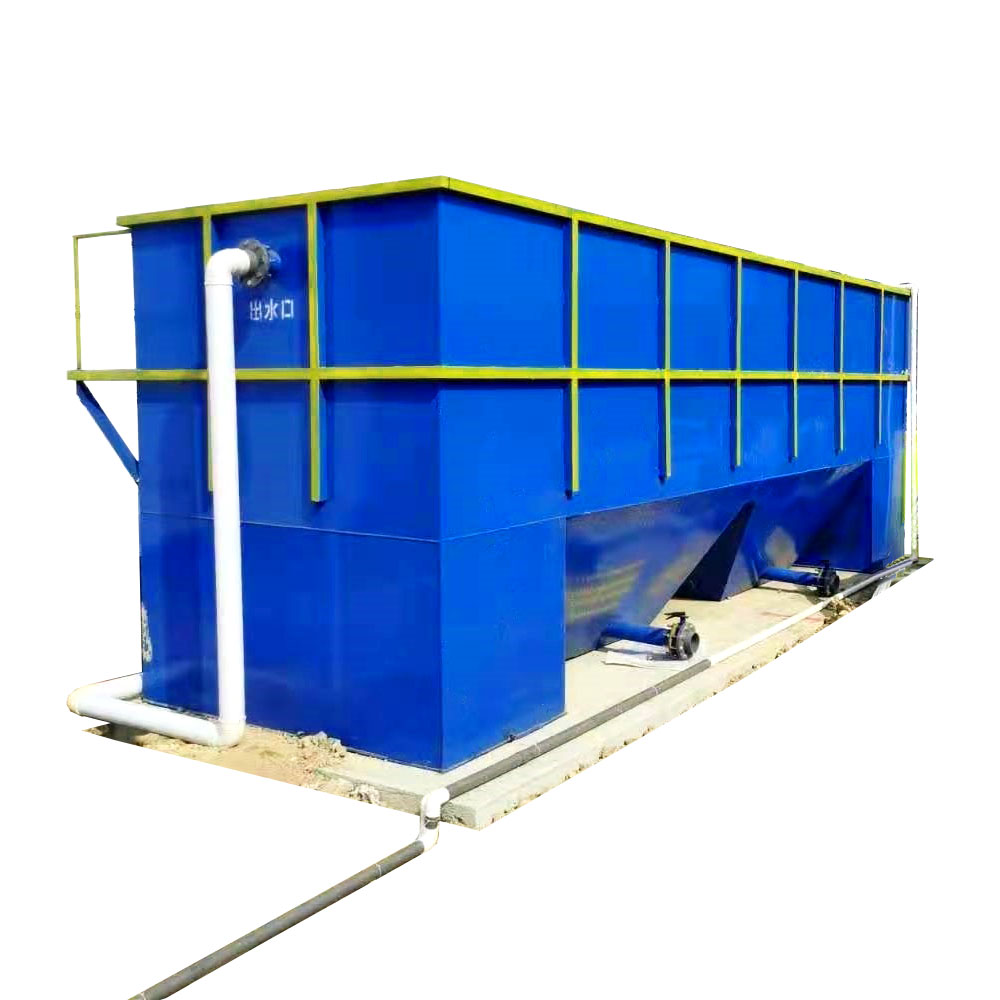
تقنية تعويم الهواء المذاب، التي يشار إليها عادةً باسم DAF، هي طريقة مبتكرة لمعالجة المياه تستخدم في المقام الأول لإزالة المواد الصلبة العالقة والزيوت والشحوم من مياه الصرف الصحي. تستخدم هذه التقنية فقاعات صغيرة من الهواء، والتي تنشأ عندما يذوب الهواء في الماء تحت ضغط عالٍ. عندما يتم تحرير الضغط، ترتفع هذه الفقاعات إلى السطح وتحمل معها الملوثات، مما يؤدي إلى فصلها بشكل فعال عن السائل.
تطبيقات تقنية تعويم الهواء المذاب
وتجد هذه التقنية مجموعة متنوعة من التطبيقات في مختلف الصناعات. على سبيل المثال، في قطاع الأغذية والمشروبات، يمكن لأنظمة داف أن تنقي بكفاءة مياه الصرف الصحي الناتجة أثناء المعالجة. كما أن إمكانيات فصل الزيوت والشحوم التي تتمتع بها تقنية DAF تجعلها لا تقدر بثمن في العمليات الصناعية حيث يتم توليد كميات كبيرة من النفايات الزيتية. وعلاوة على ذلك، فإن محطات معالجة مياه الصرف الصحي البلدية تعتمد بشكل متزايد على تعويم الهواء المذاب لكفاءته وموثوقيته.
فوائد استخدام أنظمة DAF
تتمثل إحدى المزايا الرئيسية لتقنية تعويم الهواء المذاب في قدرتها على معالجة مياه الصرف الصحي بسرعة وفعالية. تتطلب أنظمة التعويم بالهواء المذاب عادةً مساحة أقل مقارنةً بخزانات الترسيب التقليدية، ويمكنها التعامل مع معدلات تدفق متفاوتة. بالإضافة إلى ذلك، ينتج عن هذه الطريقة نفايات سائلة عالية الجودة تلبي معايير التصريف التنظيمية، مما يضمن حماية البيئة. وعموماً، يمكن أن يؤدي تطبيق نظام الترسيب الأحادي الترسيب إلى توفير في التكاليف التشغيلية وتحسين كفاءة العملية.